
మామిడికి వచ్చే ప్రధాన తెగుళ్లు మరియు వ్యాధులు వాటి నివారణ

Link

మామిడి (మాంగిఫెరా ఇండికా), "పండ్లలో రాజు," భారతదేశంలోని అత్యంత ముఖ్యమైన వాణిజ్య పండ్ల పంటలలో ఒకటి. అయితే, వివిధ పంట దశలలో అనేక తెగుళ్లు మరియు వ్యాధుల కారణంగా మామిడి ఉత్పాదకత మరియు పండ్ల నాణ్యత తరచుగా ప్రభావితమవుతుంది. సకాలంలో నిర్వహించకపోతే, ఈ సమస్యలు భారీ దిగుబడి నష్టాలకు, పేలవమైన పండ్ల నాణ్యతకు మరియు తగ్గిన మార్కెట్ విలువకు దారితీస్తాయి.
ఈ బ్లాగు మామిడికి సోకే ప్రధాన తెగుళ్లు మరియు వ్యాధులు, వాటి గుర్తింపు లక్షణాలు, నష్టం, అనుకూల పరిస్థితులు మరియు సమగ్ర నిర్వహణ పద్ధతులను సాంస్కృతిక, జీవసంబంధమైన మరియు రసాయన పద్ధతులను ఉపయోగించి IPM (సమగ్ర తెగులు నిర్వహణ) క్రింద వివరిస్తుంది.
మామిడికి సోకే ప్రధాన తెగుళ్లు మరియు వాటి నిర్వహణ
1. మామిడి ఆకు పసిరిక పురుగు
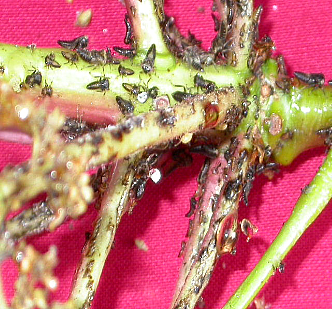
గుర్తింపు & లక్షణాలు
- పువ్వుల గుత్తులు మరియు లేత చిగుళ్లపై కనిపించే చిన్న ఆకుపచ్చ, గోధుమ లేదా బూడిద రంగు కీటకాలు
- ఆకులు మరియు పువ్వులపై జిగట తేనెవంటి స్రావం
- నల్లని మసి తెగులు అభివృద్ధి
కలిగే నష్టం
- పువ్వులు మరియు లేత రెమ్మల నుండి రసాన్ని పీల్చడం
- భారీగా పూత రాలడం మరియు తక్కువ ఫలదీకరణ
అనుకూల పరిస్థితులు
- పూత సమయంలో వెచ్చని మరియు తేమతో కూడిన వాతావరణం
- దట్టమైన ఆకులు మరియు అధిక నత్రజని వాడకం
సమగ్ర నిర్వహణ
సాంస్కృతిక
- గాలి ప్రసరణ కోసం దట్టమైన కొమ్మలను కత్తిరించండి
- అధిక నత్రజని ఎరువులను నివారించండి
జీవసంబంధమైన
- సాలెపురుగులు మరియు లేడీబగ్ బీటిల్స్ వంటి సహజ శత్రువులను ప్రోత్సహించండి
రసాయన
- ఇమిడాక్లోప్రిడ్ 0.3 ml/l లేదా థియామెథోక్సామ్ 0.25 g/l పిచికారీ చేయండి
- మొదటి పిచికారీ పూత గుత్తులు వచ్చినప్పుడు, రెండవది పూత దశలో

Dr. Eliminator ను ఇప్పుడే కొనండి: https://www.khethari.com/products/dr-eliminator-insecticide?_pos=1&_sid=54ac3e522&_ss=r
2. మామిడి మీలీ బగ్

గుర్తింపు & లక్షణాలు
- చిగుళ్లు, ఆకులు మరియు పూత గుత్తులపై తెల్లటి దూది వంటి కీటకాలు
- చెట్లపై చీమల కదలిక
- బలహీనమైన పెరుగుదల మరియు పూత రాలడం
కలిగే నష్టం
- రసాన్ని పీల్చడం వలన పూత గుత్తులు ఎండిపోతాయి
- తక్కువ ఫలదీకరణ
అనుకూల పరిస్థితులు
- పొడి శీతాకాలం
- చీమలు మరియు కలుపు మొక్కల ఉనికి
సమగ్ర నిర్వహణ
సాంస్కృతిక
- గుడ్లను నాశనం చేయడానికి వేసవిలో లోతైన దున్నకం
- చెట్ల కాండాలకు గ్రీజు పట్టీలను పూయండి
జీవసంబంధమైన
- క్రిప్టోలామెస్ మాంట్రౌజియేరి (వేటాడే పురుగు)ని విడుదల చేయండి
రసాయన
- క్లోర్పైరిఫాస్ 2 ml/l లేదా ఇమిడాక్లోప్రిడ్ 0.3 ml/l పిచికారీ చేయండి
3. మామిడి పండు ఈగ
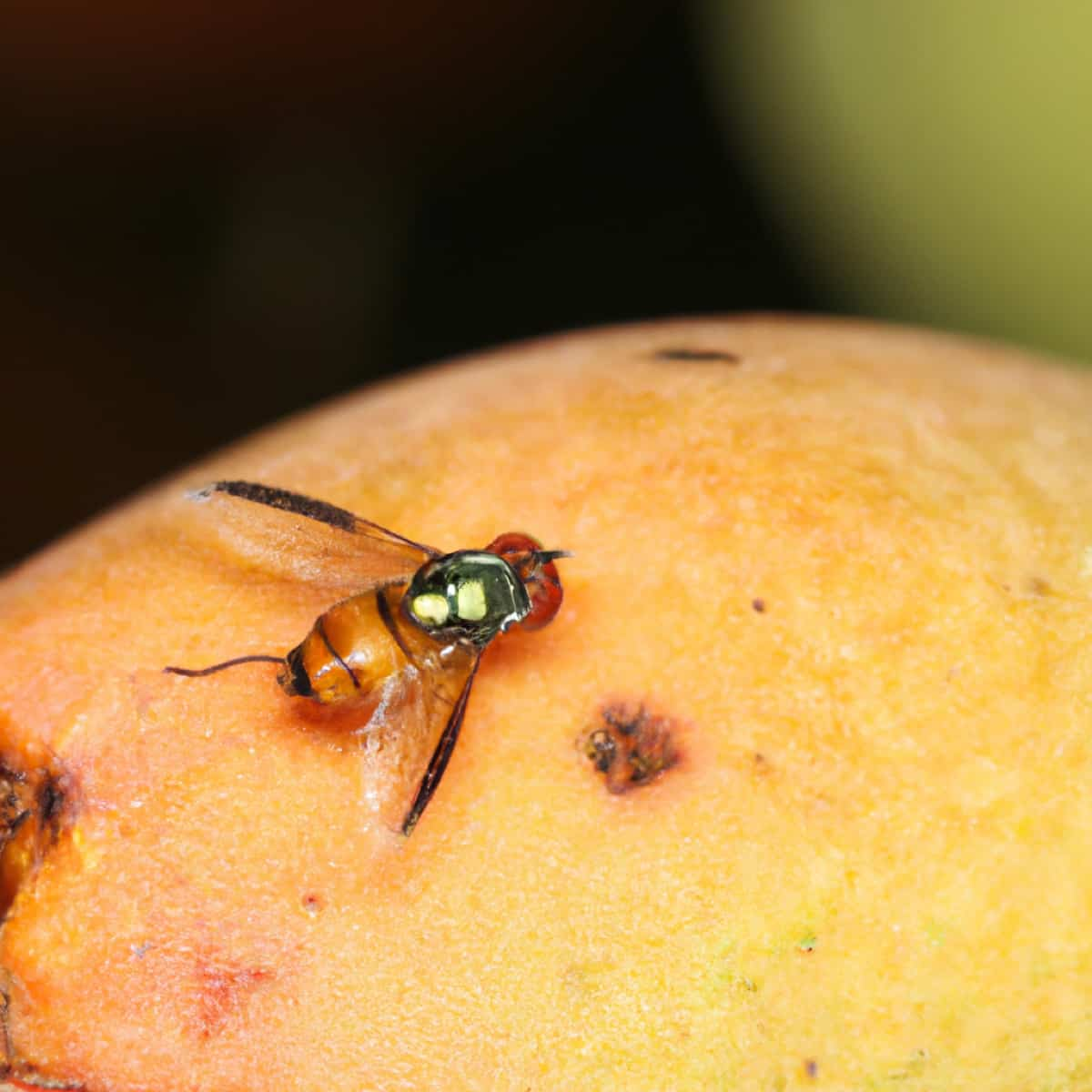
గుర్తింపు & లక్షణాలు
- ముదిరిన పండ్లలో వయోజన ఈగలు గుడ్లు పెడతాయి
- పండ్లపై గోధుమ రంగు గుచ్చివేసిన గుర్తులు
- గుజ్జు లోపల పురుగులు
కలిగే నష్టం
- పండ్లు కుళ్లిపోవడం మరియు పక్వానికి రాకుండా రాలడం
- కోతానంతర భారీ నష్టాలు
అనుకూల పరిస్థితులు
- పండు పక్వానికి వచ్చే సమయంలో అధిక ఉష్ణోగ్రత మరియు తేమ
- పంటపొలంలో పరిశుభ్రత లేకపోవడం
సమగ్ర నిర్వహణ
సాంస్కృతిక
- రాలిన పండ్లను సేకరించి నాశనం చేయండి
- తెగులు సోకిన పండ్లను లోతుగా పాతిపెట్టండి
జీవసంబంధమైన
- సెక్స్ ఫెరోమోన్ ట్రాప్లను ఉపయోగించండి (ఎకరాకు 10–12 ట్రాప్లు)
రసాయన
- ప్రోటీన్ ఎర స్ప్రే + మలాథియాన్ 2 ml/l
- కోతకు ముందు పిచికారీని నివారించండి
4. కాండం తొలుచు పురుగు

గుర్తింపు & లక్షణాలు
- కాండం మరియు కొమ్మలలో రంధ్రాలు
- మలంతో కూడిన జిగురు కారడం
- కొమ్మలు వాడిపోవడం
కలిగే నష్టం
- రంధ్రాలు చెట్టును బలహీనపరుస్తాయి
- తీవ్రమైన తెగులు చెట్లను చంపవచ్చు
అనుకూల పరిస్థితులు
- పంటపొలంలో పరిశుభ్రత లేకపోవడం
- పాత మరియు నిర్లక్ష్యం చేయబడిన తోటలు
సమగ్ర నిర్వహణ
సాంస్కృతిక
- కాండాన్ని క్రమం తప్పకుండా శుభ్రం చేయండి
- ప్రభావిత కొమ్మలను తొలగించి కాల్చివేయండి
యాంత్రిక
- పురుగులను చంపడానికి రంధ్రాలలో ఇనుప తీగను చొప్పించండి
రసాయన
- క్లోర్పైరిఫాస్ 0.1% ఇంజెక్ట్ చేసి రంధ్రాలను మట్టితో మూసివేయండి
5. ఆకు వెబ్బర్

గుర్తింపు & లక్షణాలు
- గొంగళి పురుగులతో ఆకులు అతుక్కుపోయి ఉంటాయి
- ఆకులు అస్థిపంజరంలా మారడం
కలిగే నష్టం
- కిరణజన్య సంయోగ క్రియ తగ్గడం
- చెట్ల పెరుగుదల బలహీనపడటం
అనుకూల పరిస్థితులు
- దట్టమైన ఆకులతో వెచ్చని వాతావరణం
సమగ్ర నిర్వహణ
సాంస్కృతిక
- అతుక్కుపోయిన ఆకులను తొలగించి నాశనం చేయండి
జీవసంబంధమైన
- బాసిల్లస్ థురిన్జియెన్సిస్ (బిటి) ఉపయోగించండి
రసాయన
- ఎమామెక్టిన్ బెంజోయేట్ 0.4 g/l పిచికారీ చేయండి
- మామిడికి సోకే ప్రధాన వ్యాధులు మరియు వాటి నిర్వహణ
1. బూడిద తెగులు
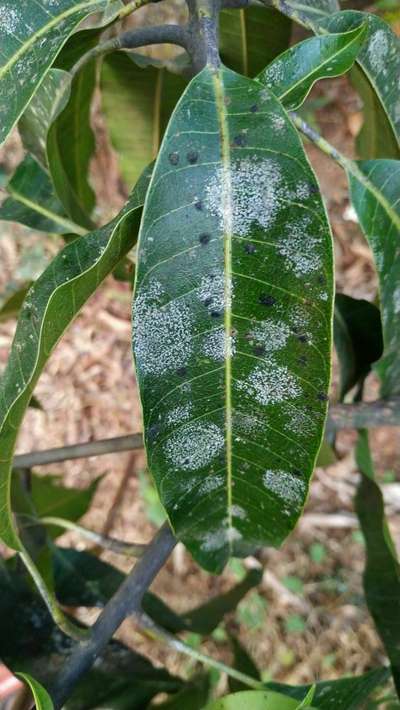
లక్షణాలు
- ఆకులు, పువ్వులు మరియు పండ్లపై తెల్లని పొడివంటి పెరుగుదల
- పూత రాలడం మరియు ఫలదీకరణ జరగకపోవడం
అనుకూల పరిస్థితులు
- పూత సమయంలో చల్లని రాత్రులు మరియు అధిక తేమ
నిర్వహణ
నివారణ
- సరైన అంతరం మరియు కత్తిరింపు
రసాయన
- వెటబుల్ సల్ఫర్ 2 g/l లేదా హెక్సాకోనాజోల్ 1 ml/l పిచికారీ చేయండి
- పూత దశలో పిచికారీ చేసి, 15 రోజుల తర్వాత మళ్లీ చేయండి
2. ఆంత్రాక్నోస్
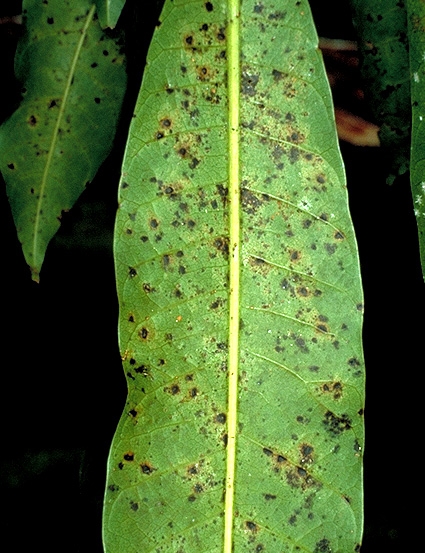
లక్షణాలు
- ఆకులు, పువ్వులు మరియు పండ్లపై నల్లటి మచ్చలు
- నిల్వ మరియు రవాణా సమయంలో పండు కుళ్లిపోవడం
అనుకూల పరిస్థితులు
- వర్షపు మరియు తేమతో కూడిన వాతావరణం
నిర్వహణ
సాంస్కృతిక
- తెగులు సోకిన కొమ్మలను కత్తిరించండి
రసాయన
- కార్బెండజిమ్ 1 g/l లేదా కాపర్ ఆక్సీక్లోరైడ్ 3 g/l పిచికారీ చేయండి
3. బాక్టీరియా క్యాంకర్
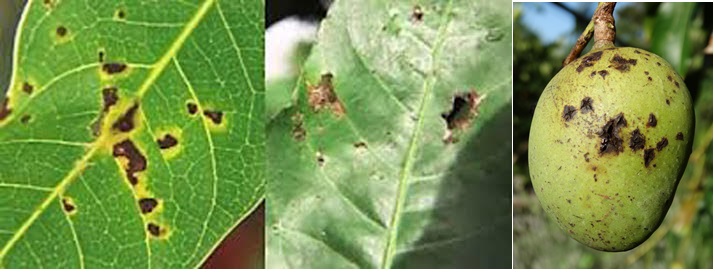
లక్షణాలు
- పసుపు రంగు హలోతో కోణీయ ఆకు మచ్చలు
- కొమ్మలు మరియు పండ్లపై పగుళ్లు
- జిగురు కారడం
అనుకూల పరిస్థితులు
- అధిక తేమ మరియు వర్షపాతం
నిర్వహణ
సాంస్కృతిక
- వ్యాధి రహిత నాటడం పదార్థాన్ని ఉపయోగించండి
రసాయన
- స్ట్రెప్టోసైక్లిన్ 0.1 g/l + కాపర్ ఆక్సీక్లోరైడ్ 3 g/l పిచికారీ చేయండి
4. ఎర్ర తుప్పు (శైవల్ ఆకు మచ్చ)
లక్షణాలు
- ఆకులపై నారింజ-ఎరుపు వృత్తాకార మచ్చలు
- తగ్గిన కిరణజన్య సంయోగ క్రియ
అనుకూల పరిస్థితులు
- తేమతో కూడిన మరియు నీడ ఉన్న తోటలు
నిర్వహణ
సాంస్కృతిక
- సూర్యరశ్మి ప్రవేశాన్ని మెరుగుపరచండి
రసాయన
- బోర్డియక్స్ మిశ్రమం 1% లేదా కాపర్ శిలీంద్ర నాశిని పిచికారీ చేయండి
5. మామిడి వికృతి
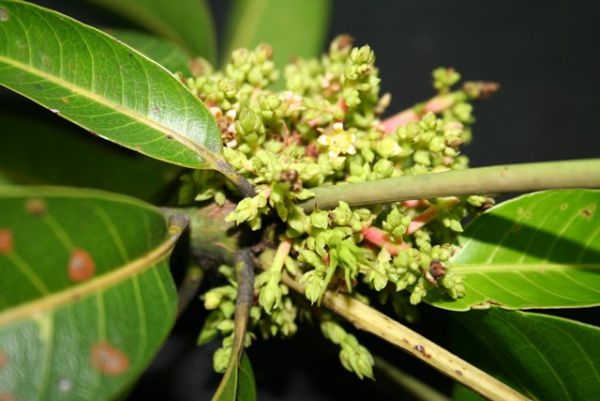
లక్షణాలు
- వికృతమైన శాఖీయ చిగుళ్లు మరియు పువ్వులు
- గుత్తుగా కనిపించే పైభాగం
- పండు కాయకపోవడం
అనుకూల పరిస్థితులు
- చల్లని ఉష్ణోగ్రతలు
- అధిక నత్రజని
నిర్వహణ
సాంస్కృతిక
- ప్రభావిత భాగాలను కత్తిరించి కాల్చివేయండి
- అధిక నత్రజనిని నివారించండి
రసాయన
- అక్టోబర్లో NAA 200 ppm పిచికారీ చేయండి
- కత్తిరించిన తర్వాత కార్బెండజిమ్ పిచికారీ
నివారణ చర్యలు & IPM విధానం
- ధృవీకరించబడిన, వ్యాధి రహిత నాటడం పదార్థాన్ని ఉపయోగించండి.
- తోట పరిశుభ్రతను పాటించండి.
- సమతుల్య ఎరువుల వాడకాన్ని అనుసరించండి.
- తెగుళ్ల జనాభాను క్రమం తప్పకుండా పర్యవేక్షించండి.
- ముందుగా జీవ మరియు యాంత్రిక పద్ధతులను ఇష్టపడండి.
- ఆర్థిక పరిమితి స్థాయిలను దాటినప్పుడు మాత్రమే రసాయనాలను ఉపయోగించండి.
- సిఫార్సు చేయబడిన స్ప్రే షెడ్యూల్లు మరియు వేచి ఉండే సమయాలను అనుసరించండి.
ముగింపు
మామిడి తెగుళ్లు మరియు వ్యాధులను సరిగ్గా నిర్వహించకపోతే దిగుబడిని మరియు పండ్ల నాణ్యతను గణనీయంగా తగ్గిస్తాయి. సమగ్ర తెగులు నిర్వహణ (IPM) విధానాన్ని — సాంస్కృతిక, జీవ, మరియు అవసరమైన రసాయన పద్ధతులను కలపడం— స్థిరమైన మామిడి ఉత్పత్తి, తగ్గిన ఖర్చులు, మరియు సురక్షితమైన పండ్లను నిర్ధారిస్తుంది. సకాలంలో గుర్తించడం మరియు నిర్వహించడం మామిడి రైతులకు అధిక ఉత్పాదకతను మరియు మంచి మార్కెట్ రాబడిని సాధించడంలో కీలక పాత్ర పోషిస్తాయి.