
మినుము (ఉరద్) పంటకు వచ్చే ప్రధాన తెగుళ్లు, వ్యాధులు మరియు వాటి సమగ్ర నివారణ

Link

పరిచయం
భారతీయ వ్యవసాయంలో మినుముల ప్రాముఖ్యత
మినుములు (విగ్నా ముంగో), సాధారణంగా ఉరద్ అని పిలుస్తారు, ఇది భారతదేశంలో సాగుచేయబడే అత్యంత ముఖ్యమైన పప్పుధాన్యాల పంటలలో ఒకటి. ఇది పోషక భద్రత, నేల ఆరోగ్యం, మరియు వ్యవసాయ ఆదాయం, ముఖ్యంగా చిన్న మరియు సన్నకారు రైతులకు అందించడంలో కీలక పాత్ర పోషిస్తుంది. భారతదేశం మినుములను అత్యధికంగా ఉత్పత్తి చేసే మరియు వినియోగించే దేశం, ఆంధ్రప్రదేశ్, తెలంగాణ, మహారాష్ట్ర, మధ్యప్రదేశ్, ఉత్తరప్రదేశ్, తమిళనాడు, కర్ణాటక మరియు ఒడిశా వంటి రాష్ట్రాలలో ప్రధానంగా సాగుచేయబడుతుంది.
మినుములు అనేక పంటల వ్యవస్థలలో చక్కగా సరిపోతాయి:
- ఖరీఫ్
- రబీ
- వేసవి
- వరి మాగాణులు
- అంతర పంటలు మరియు రిలే పంటల వ్యవస్థలు
పోషక మరియు ఆర్థిక విలువ
మినుముల గింజలు వీటిలో పుష్కలంగా ఉంటాయి:
- ప్రోటీన్ (22–24%)
- కార్బోహైడ్రేట్లు
- ఐరన్ మరియు కాల్షియం
- విటమిన్లు మరియు పీచుపదార్థం
ఇది పప్పు, అప్పడాలు, ఇడ్లీ, దోశ మరియు వడల తయారీకి విస్తృతంగా ఉపయోగించబడుతుంది, దీనివల్ల బలమైన మార్కెట్ డిమాండ్ మరియు స్థిరమైన ధరలు ఉంటాయి.
ఉత్పాదకతను ప్రభావితం చేసే ప్రధాన సమస్యలు
దాని ప్రాముఖ్యత ఉన్నప్పటికీ, భారతదేశంలో మినుముల ఉత్పాదకత తక్కువగా ఉంది, దీనికి కారణాలు:
- భారీ స్థాయిలో కీటక తెగుళ్లు
- వినాశకరమైన వైరస్ మరియు శిలీంధ్ర వ్యాధులు
- విచక్షణారహిత పురుగుమందుల వాడకం
- సమగ్ర పురుగు మరియు వ్యాధి నిర్వహణ (IPDM) సరిగ్గా అమలు కాకపోవడం
అన్ని సమస్యలలో, తెగుళ్లు మరియు వ్యాధులు మాత్రమే 30–80% దిగుబడి నష్టాన్ని కలిగిస్తాయి, కాబట్టి శాస్త్రీయ పంట రక్షణ అవసరం.
మినుములకు సోకే ప్రధాన కీటక తెగుళ్లు
1. పచ్చ పురుగులు (ఆఫిడ్స్)
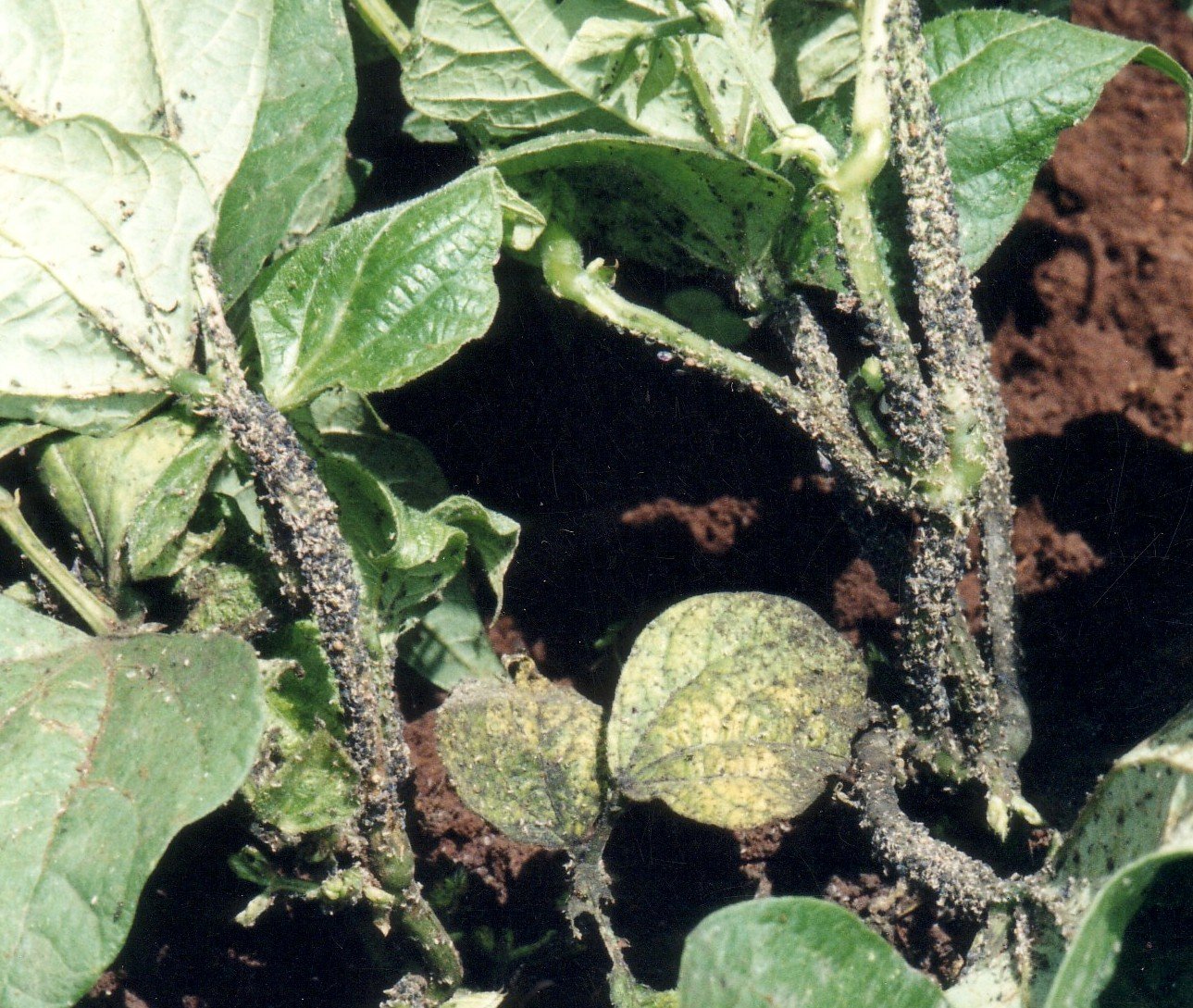
శాస్త్రీయ నామం: అఫిస్ క్రాసివోరా
గుర్తింపు & లక్షణాలు
- చిన్న, మెత్తని శరీరంతో ఆకుపచ్చ లేదా నల్ల కీటకాలు
- లేత చిగుళ్లు, ఆకులు మరియు పువ్వులపై కాలనీలు
- ఆకులు క్రిందికి ముడుచుకొని పసుపు రంగులోకి మారతాయి
- తేనె వంటి స్రావం సోటీ మౌల్డ్కు దారితీస్తుంది
- వైరల్ వ్యాధులకు వాహకంగా పనిచేస్తుంది
పంట దశ ప్రభావితం
- మొలక దశ నుండి పూత దశ వరకు
ఆర్థిక నష్ట స్థాయి (ETL)
- ప్రతి 10 సెం.మీ. పై చిగురుకు 10–15 ఆఫిడ్స్
అనుకూల పరిస్థితులు
- చల్లని మరియు పొడి వాతావరణం
- మేఘావృత వాతావరణం
- అధిక నత్రజని ఎరువులు
సమగ్ర నిర్వహణ
సాగు పద్ధతులు
- అధిక నత్రజనిని నివారించండి
- ముందుగా విత్తడం
- సమతుల్య ఎరువులు
యాంత్రిక పద్ధతులు
- పసుపు జిగురు ట్రాప్స్ (10–12/ఎకరం)
జీవ నియంత్రణ
- లేడీబగ్ బీటిల్స్ (కోకిసినెల్లా ఎస్.పి.పి.)
- లేస్వింగ్స్ (క్రిసోపెర్లా కార్నియా)
రసాయన నియంత్రణ
- ఇమిడాక్లోప్రిడ్ 17.8 SL @ 0.3 మి.లీ/లీ
- థియామెథాక్సామ్ 25 WG @ 0.25 గ్రా/లీ
నిరోధకత నిర్వహణ
- నియోనికోటినాయిడ్స్ పునరావృత పిచికారీని నివారించండి
- వివిధ పురుగుమందుల సమూహాలతో మార్పిడి చేయండి
2. తెల్లదోమ
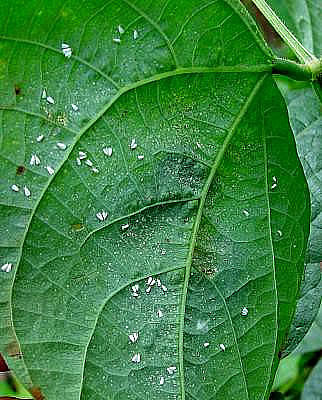
శాస్త్రీయ నామం: బేమిసియా టాబాసి
లక్షణాలు
- ఆకులు పసుపు రంగులోకి మారి ముడుచుకోవడం
- మొక్క ఎదుగుదల నిలిచిపోవడం
- పసుపు మొజాయిక్ వైరస్ (YMV) వ్యాప్తి
పంట దశ
- మొలక దశ నుండి కాయల ఏర్పడే దశ వరకు
ETL
- ప్రతి మొక్కకు 5–10 వయోజన పురుగులు
అనుకూల పరిస్థితులు
- అధిక ఉష్ణోగ్రత
- తక్కువ వర్షపాతం
సమగ్ర నిర్వహణ
సాగు పద్ధతులు
- ఆరోగ్యకరమైన విత్తనాలను ఉపయోగించండి
- కలుపు మొక్కలను తొలగించండి
యాంత్రిక పద్ధతులు
- పసుపు జిగురు ట్రాప్స్
జీవ నియంత్రణ
- ఎన్కార్సియా పరాన్నజీవులు
రసాయన నియంత్రణ
- అసెటామ్రిడ్ 20 SP @ 0.2 గ్రా/లీ
- ఫ్లోనికామిడ్ 50 WG @ 0.3 గ్రా/లీ

డా. ఎలిమినేటర్ కోసం ఆర్డర్ చేయడానికి: https://www.khethari.com/products/dr-eliminator-insecticide?_pos=1&_sid=56bffa9a2&_ss=r
3. తామర పురుగులు (థ్రిప్స్)
శాస్త్రీయ నామం: థ్రిప్స్ టాబాసి
లక్షణాలు
- ఆకులపై వెండి రంగు చారలు
- ఆకులు ముడుచుకుపోయి ఎండిపోవడం
- పూత తగ్గడం
ETL
- ప్రతి ఆకుకు 8–10 థ్రిప్స్
నిర్వహణ
- వేప నూనె 3% @ 3 మి.లీ/లీ
- స్పినోసాడ్ 45 SC @ 0.3 మి.లీ/లీ
4. ఆకు దూదేకులు (జాసిడ్స్)
శాస్త్రీయ నామం: ఎంపోస్కా కెర్రీ
లక్షణాలు
- ఆకుల అంచుల వద్ద పసుపు రంగు
- ఆకులు ముడుచుకుపోయి ఎండిపోవడం
రసాయన నియంత్రణ
- థియామెథాక్సామ్ 25 WG @ 0.25 గ్రా/లీ
5. పొగాకు లద్దెపురుగు
శాస్త్రీయ నామం: స్పోడోప్టెరా లితురా
లక్షణాలు
- ఆకుల అస్థికీకరణ (సిరలు మాత్రమే మిగిలి ఉండటం)
- తీవ్రమైన ఆకు నష్టం
ETL
- 1 గుడ్డు సమూహం లేదా 5 లార్వాలు/చ.మీ.
సమగ్ర నిర్వహణ
- వేసవి దుక్కులు
- ఫెరోమోన్ ట్రాప్స్ (5/ఎకరం)
- NPV @ 250 LE/హెక్టార్
- ఎమామెక్టిన్ బెంజోయేట్ 5 SG @ 0.4 గ్రా/లీ
6. కాయ తొలిచే పురుగు

శాస్త్రీయ నామం: హెలికోవెర్పా ఆర్మిగెరా
లక్షణాలు
- కాయల్లోకి తొలిచి తినడం
- అభివృద్ధి చెందుతున్న గింజలను తినడం
ETL
- ప్రతి మొక్కకు 1 లార్వా
రసాయన నియంత్రణ
- క్లోరాంట్రానిలిప్రోల్ 18.5 SC @ 0.3 మి.లీ/లీ
- ఇండోక్సాకార్బ్ 14.5 SC @ 1 మి.లీ/లీ
7. వెంట్రుకల పురుగు (హెయిరీ క్యాటర్పిల్లర్)
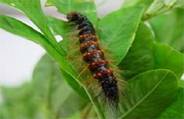
శాస్త్రీయ నామం: అమ్సాక్టా ఆల్బిస్ట్రిగా
నిర్వహణ
- లైట్ ట్రాప్స్
- యాంత్రిక సేకరణ
- ల్యామ్డా-సైహలోత్రిన్ 5 EC @ 1 మి.లీ/లీ
8. కాండం ఈగ
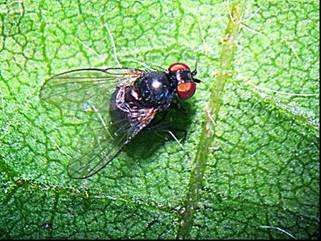
శాస్త్రీయ నామం: ఒఫియోమియా ఫేసియోలి
లక్షణాలు
- మొలకలు వాడిపోవడం
- కాండం లోపల సొరంగం
నిర్వహణ
- ఇమిడాక్లోప్రిడ్ 600 FS @ 5 మి.లీ/కిలో విత్తనంతో విత్తనశుద్ధి
మినుములకు సోకే ప్రధాన వ్యాధులు
1. పసుపు మొజాయిక్ వైరస్ (YMV)

కారణ కారకం: తెల్లదోమ ద్వారా సంక్రమించే వైరస్
లక్షణాలు
- ఆకులపై పసుపు మచ్చలు
- మొక్క ఎదుగుదల నిలిచిపోవడం
- కాయలు సరిగ్గా పట్టకపోవడం
అనుకూల పరిస్థితులు
- అధిక తెల్లదోమ జనాభా
- వెచ్చని వాతావరణం
సమగ్ర వ్యాధి నిర్వహణ
- నిరోధక రకాలు: PU 31, LBG 623
- ముందుగా విత్తడం
- వాహక నియంత్రణ
- వ్యాధి సోకిన మొక్కలను తొలగించడం
2. బూజు తెగులు (పౌడరీ మిల్డ్యూ)

కారణమైన సూక్ష్మజీవి: ఎరిసిఫే పాలిగోని
లక్షణాలు
- ఆకులపై తెల్లని పొడి పెరుగుదల
- ప్రీమెచ్యూర్ ఆకు రాలడం
రసాయన నియంత్రణ
- వెట్టబుల్ సల్ఫర్ 80 WP @ 2 గ్రా/లీ
- హెక్సాకొనజోల్ 5 EC @ 1 మి.లీ/లీ
3. సెర్కోస్పోరా ఆకు మచ్చ

కారణమైన సూక్ష్మజీవి: సెర్కోస్పోరా కెనెస్కెన్స్
లక్షణాలు
- గోధుమ రంగు వృత్తాకార మచ్చలు
- ఆకు రాలడం
నిర్వహణ
- మాంకోజెబ్ 75 WP @ 2.5 గ్రా/లీ
- కార్బెండజిమ్ 50 WP @ 1 గ్రా/లీ
4. ఆంత్రాక్నోస్

కారణమైన సూక్ష్మజీవి: కొల్లెటోట్రైకమ్ లిండీముథియానమ్
లక్షణాలు
- పొడ్స్ పై నల్లగా మునిగిన గాయాలు
- విత్తనాల రంగు మారడం
నిర్వహణ
- కార్బెండజిమ్ @ 2 గ్రా/కిలో విత్తనంతో విత్తనశుద్ధి
5. రూట్ రాట్ & కాలర్ రాట్

కారణమైన సూక్ష్మజీవి: రైజోక్టోనియా, ఫ్యుసారియమ్
నిర్వహణ
- బాగా నీరు ఇంకిపోయే నేలలు
- ట్రైకోడెర్మా @ 4 గ్రా/కిలో విత్తనంతో విత్తనశుద్ధి
6. ఆకు ముడత వ్యాధి

లక్షణాలు
- మందమైన, ముడుచుకుపోయిన ఆకులు
- వక్రీకరించిన పువ్వులు
నిర్వహణ
- వ్యాధి రహిత విత్తనాలను వాడండి
- వాహక నియంత్రణ
- క్షేత్ర పారిశుధ్యం
ఇంటిగ్రేటెడ్ పెస్ట్ అండ్ డిసీజ్ మేనేజ్మెంట్ (IPDM) స్ట్రాటజీ
- ధృవీకరించబడిన విత్తనాలను ఉపయోగించండి
- పంట మార్పిడిని అనుసరించండి
- సకాలంలో విత్తడం
- నిరంతర పర్యవేక్షణ
- ETL-ఆధారిత పురుగుమందుల వాడకం
- బయో-ఏజెంట్లు మరియు బొటానికల్స్ ప్రోత్సహించండి
నల్ల పెసల కోసం కాలానుగుణ పంటల సంరక్షణ క్యాలెండర్
| పంట దశ | ప్రధాన ముప్పులు | నిర్వహణ |
|---|---|---|
| నారుమొక్క | స్టెమ్ ఫ్లై, YMV | విత్తనశుద్ధి + వాహక నియంత్రణ |
| శాఖీయ | అఫిడ్స్, జాసిడ్స్ | వేప నూనె / ఎంపిక చేసిన పురుగుమందులు |
| పూత | థ్రిప్స్, పాడ్ బోరర్ | ETL-ఆధారిత స్ప్రే |
| పొడ్ దశ | హెలికోవెర్పా | లక్షిత పురుగుమందులు |
సురక్షిత పురుగుమందుల వాడకం & రైతు సలహా
- సిఫార్సు చేయబడిన మోతాదును మాత్రమే పాటించండి
- అనుకూలత లేకుండా ట్యాంక్ మిక్సింగ్ చేయవద్దు
- రక్షణ దుస్తులను ఉపయోగించండి
- కోతకు ముందు వేచి ఉండే సమయాన్ని పాటించండి
ముగింపు
నల్ల పెసల తెగుళ్లు మరియు వ్యాధుల సమర్థవంతమైన నిర్వహణకు రసాయనాలపై మాత్రమే ఆధారపడకుండా సమగ్ర IPM మరియు IDM విధానం అవసరం. నిరోధక రకాలు, జీవ నియంత్రణ, సాంస్కృతిక పద్ధతులు మరియు అవసరాల ఆధారిత పురుగుమందుల వాడకం పంట నష్టాలను, ఇన్పుట్ ఖర్చులను మరియు పర్యావరణ ప్రమాదాలను గణనీయంగా తగ్గిస్తుంది.
పర్యావరణ అనుకూలమైన, ఆర్థికంగా లాభదాయకమైన మరియు శాస్త్రీయంగా ప్రణాళిక చేయబడిన పంటల సంరక్షణ వ్యూహాల ద్వారా మాత్రమే స్థిరమైన నల్ల పెసల ఉత్పత్తి సాధ్యమవుతుంది.
తరచుగా అడిగే ప్రశ్నలు (FAQs)
Q1. నల్ల పెసలలో అత్యంత ప్రమాదకరమైన వ్యాధి ఏది?
పసుపు మొజాయిక్ వైరస్ (YMV) అత్యధిక దిగుబడి నష్టాన్ని కలిగిస్తుంది.
Q2. మనం శిలీంద్ర సంహారిణి మరియు పురుగుమందులను కలపవచ్చా?
జార్ పరీక్ష తర్వాత అనుకూలమైన ఉత్పత్తులను మాత్రమే కలపాలి.
Q3. రూట్ రాట్ కు ఏ బయో-ఏజెంట్ ఉత్తమమైనది?
ట్రైకోడెర్మా విరిడే లేదా టి. హార్జియానమ్.
Q4. నల్ల పెసలలో ఎన్ని స్ప్రేలు అవసరం?
సాధారణంగా IPM కింద 2-3 అవసరాల ఆధారిత స్ప్రేలు.