

Major Pests and Diseases in Cucumber and Their Management
Introduction
Cucumber (Cucumis sativus L.) is one of the most widely cultivated vegetable crops across tropical and subtropical regions of the world. It belongs to the Cucurbitaceae family and is commonly grown in open fields, polyhouses, and protected cultivation systems. Due to its short duration, high yield potential, and strong market demand, cucumber has become an important commercial vegetable crop for farmers.
However, cucumber cultivation faces several challenges, especially damage caused by insect pests and diseases. These problems can significantly reduce crop yield and fruit quality if not managed properly. Effective pest and disease management is therefore essential for successful cucumber production.
This article provides detailed information on major pests and diseases affecting cucumber and their management practices using Integrated Pest Management (IPM) approaches.
Importance of Cucumber Cultivation
Nutritional Value
Cucumber is a highly nutritious vegetable with high water content (about 95%). It is valued for its refreshing taste and health benefits.
Key nutritional benefits include:
- Rich in vitamins such as Vitamin C and Vitamin K
- Contains essential minerals like potassium and magnesium
- Low in calories and good for weight management
- Helps in hydration and digestion
Due to these benefits, cucumbers are widely consumed fresh in salads, juices, and pickles.
Economic Importance
Cucumber cultivation offers good economic returns to farmers because:
- It has high market demand throughout the year
- The crop has a short duration (45–60 days)
- It provides multiple harvests
- Suitable for protected cultivation and off-season production
However, pest and disease attacks can severely reduce profitability. Therefore, proper crop protection measures are essential.
Major Insect Pests of Cucumber
Several insect pests attack cucumber crops at different growth stages. Proper identification and timely control are essential to prevent yield loss.
1. Aphids
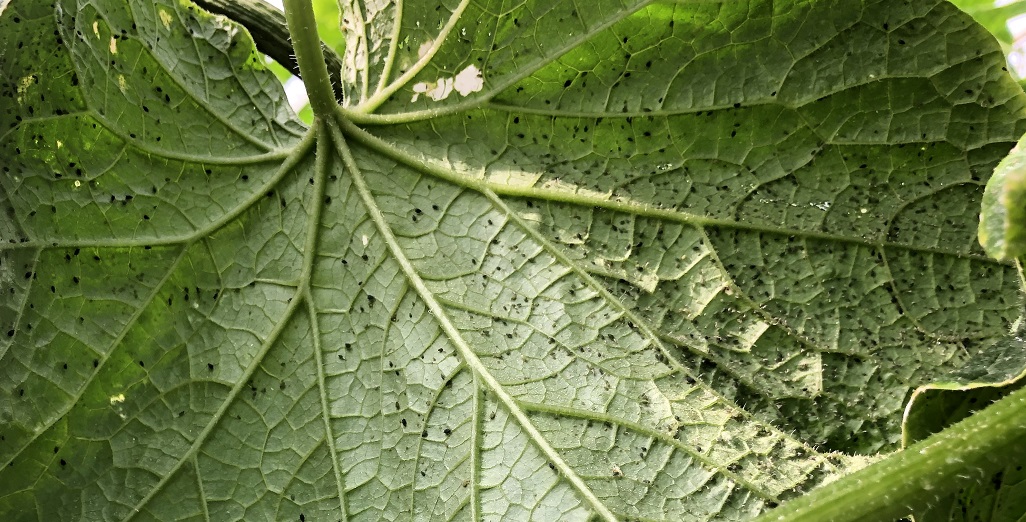
Scientific Name: Aphis gossypii
Identification
- Small, soft-bodied insects
- Green, black, or yellow in color
- Found in clusters on young leaves and stems
- Winged and wingless forms may occur
Symptoms of Damage
- Aphids suck sap from plant tissues
- Leaves become curled, yellow, and distorted
- Plants become weak and stunted
- Production of sticky honeydew, which leads to sooty mold growth
- They transmit viral diseases such as Cucumber Mosaic Virus
Favorable Conditions
- Warm and humid weather
- Dense crop canopy
- Excess nitrogen fertilization
Management (IPM)
Cultural Control
- Maintain proper plant spacing
- Avoid excessive nitrogen fertilizer
- Remove heavily infested plant parts
Biological Control
Encourage natural enemies like:
- Ladybird beetles
- Lacewings
- Parasitic wasps
Chemical Control
- Spray Imidacloprid 17.8 SL (0.3 ml/L water)
- Spray Thiamethoxam 25 WG (0.25 g/L water)
2. Whiteflies
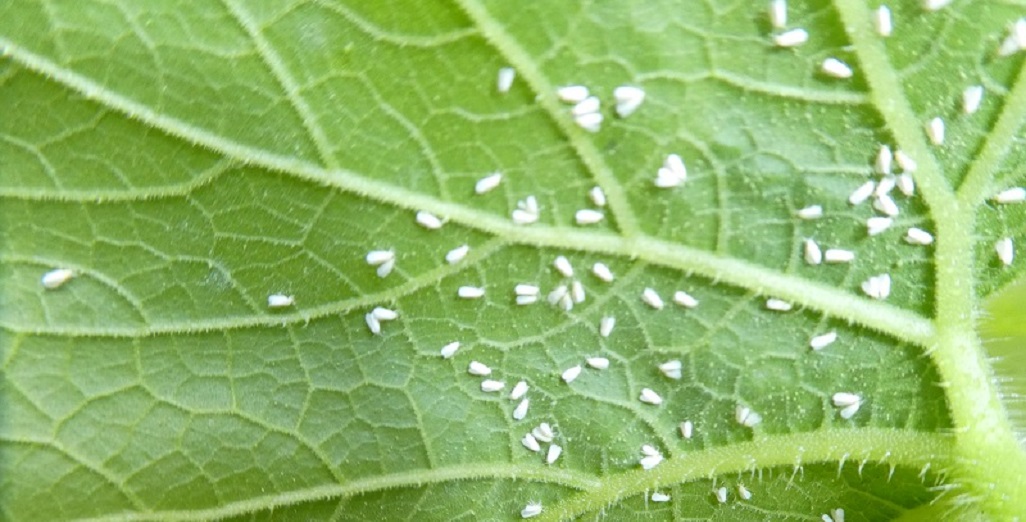
Scientific Name: Bemisia tabaci
Identification
- Small white insects resembling tiny moths
- Found on the underside of leaves
- Fly away quickly when disturbed
Symptoms of Damage
- Sap sucking causes yellowing of leaves
- Honeydew secretion leads to black sooty mold
- Transmission of viral diseases
Favorable Conditions
- Warm temperatures
- High humidity
- Dense crop conditions
Management
Cultural Practices
- Use yellow sticky traps
- Remove infected plants
Biological Control
- Release parasitoids like Encarsia formosa
Chemical Control
- Spray Acetamiprid 20 SP (0.25 g/L water)
- Spray Imidacloprid
3. Thrips
Scientific Name: Thrips tabaci
Identification
- Very small slender insects
- Yellow to brown in color
- Found mainly on young leaves and flowers
Symptoms of Damage
- Silvery streaks on leaves
- Leaf curling and distortion
- Reduced plant growth
- Flower damage leading to poor fruit set
Favorable Conditions
- Hot and dry weather
Management
Cultural Practices
- Remove weeds around the field
- Maintain adequate irrigation
Biological Control
- Predatory mites and lacewings
Chemical Control
- Spray Spinosad 45 SC (0.3 ml/L water)
- Spray Fipronil 5 SC
4. Fruit Fly
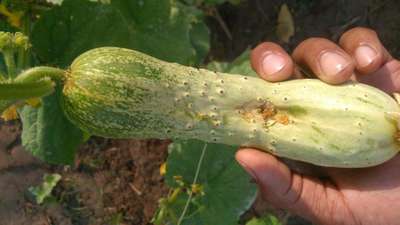
Scientific Name: Bactrocera cucurbitae
Identification
- Adult fly is reddish-brown with transparent wings
- Female lays eggs inside young fruits
Symptoms of Damage
- Maggots feed inside fruits
- Fruits become soft, rotten, and deformed
- Premature fruit drop
Favorable Conditions
- Warm and humid weather
Management
Cultural Practices
- Collect and destroy infested fruits
- Deep ploughing of soil
Mechanical Control
- Use pheromone traps (Cue-lure traps)
Chemical Control
- Spray Malathion + jaggery bait spray
5. Leaf Miners
Scientific Name: Liriomyza spp.
Identification
- Small flies
- Larvae create tunnels inside leaves
Symptoms of Damage
- Serpentine mines on leaves
- Reduced photosynthesis
- Weak plant growth
Favorable Conditions
- Warm climates
Management
Cultural Practices
- Remove infested leaves
Biological Control
- Parasitoids like Diglyphus spp.
Chemical Control
- Spray Abamectin 1.9 EC
6. Red Spider Mites
Scientific Name: Tetranychus urticae
Identification
- Very tiny red mites
- Found on the underside of leaves
- Produce fine webs
Symptoms of Damage
- Yellow speckling on leaves
- Leaves turn bronze and dry
- Reduced plant vigor
Favorable Conditions
- Hot and dry weather
Management
Cultural Practices
- Maintain adequate humidity
- Avoid dust accumulation
Chemical Control
- Spray Dicofol
- Spray Spiromesifen
7. Beetles (Cucurbit Beetles)
Identification
- Yellow or striped beetles
- Feed on leaves and flowers
Symptoms of Damage
- Holes in leaves
- Damage to flowers and fruits
- Reduced plant growth
Management
- Handpick beetles
- Use neem-based pesticides
- Spray Carbaryl or Malathion
Major Diseases of Cucumber
Cucumber crops are affected by several fungal, bacterial, and viral diseases that reduce yield and fruit quality.
1. Powdery Mildew
Causal Organism: Podosphaera xanthii
Symptoms
- White powdery spots on leaves
- Leaves turn yellow and dry
- Reduced fruit yield
Favorable Conditions
- Warm and dry weather
- Poor air circulation
Management
- Grow resistant varieties
- Maintain proper spacing
- Spray Sulfur fungicide
- Spray Hexaconazole or Carbendazim
2. Downy Mildew
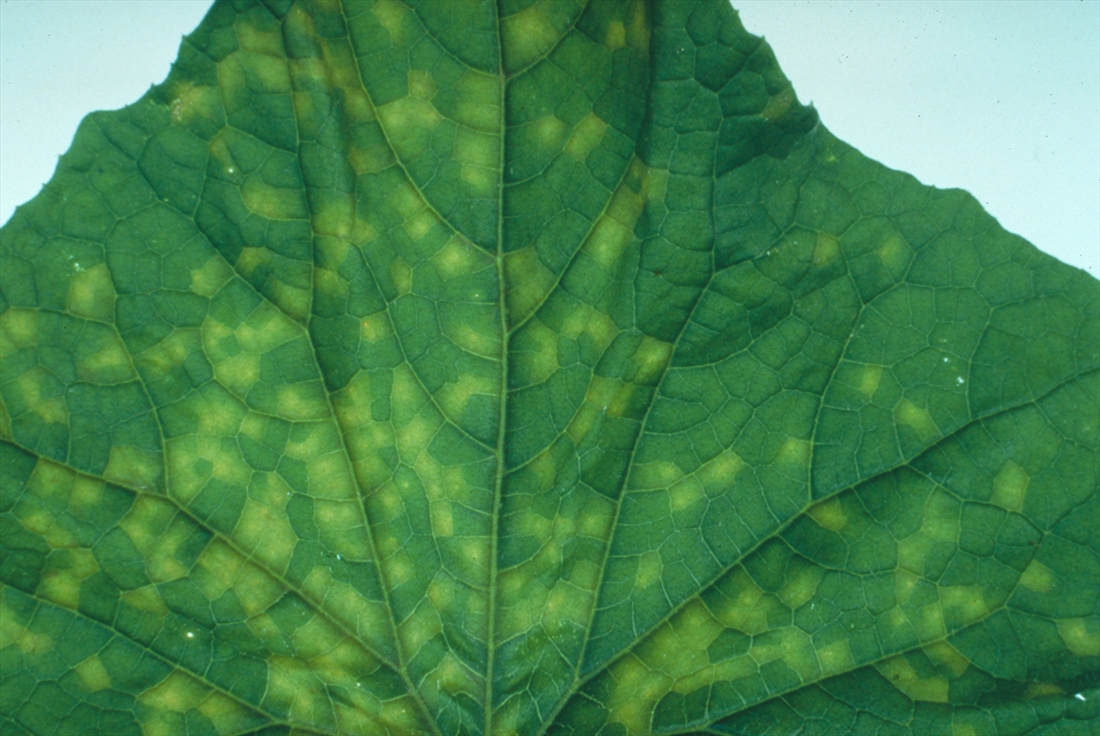
Causal Organism: Pseudoperonospora cubensis
Symptoms
- Yellow angular spots on upper leaf surface
- Grayish fungal growth on underside
- Rapid leaf drying
Favorable Conditions
- Cool and humid weather
Management
- Use resistant varieties
- Improve field drainage
- Spray Metalaxyl + Mancozeb
3. Anthracnose
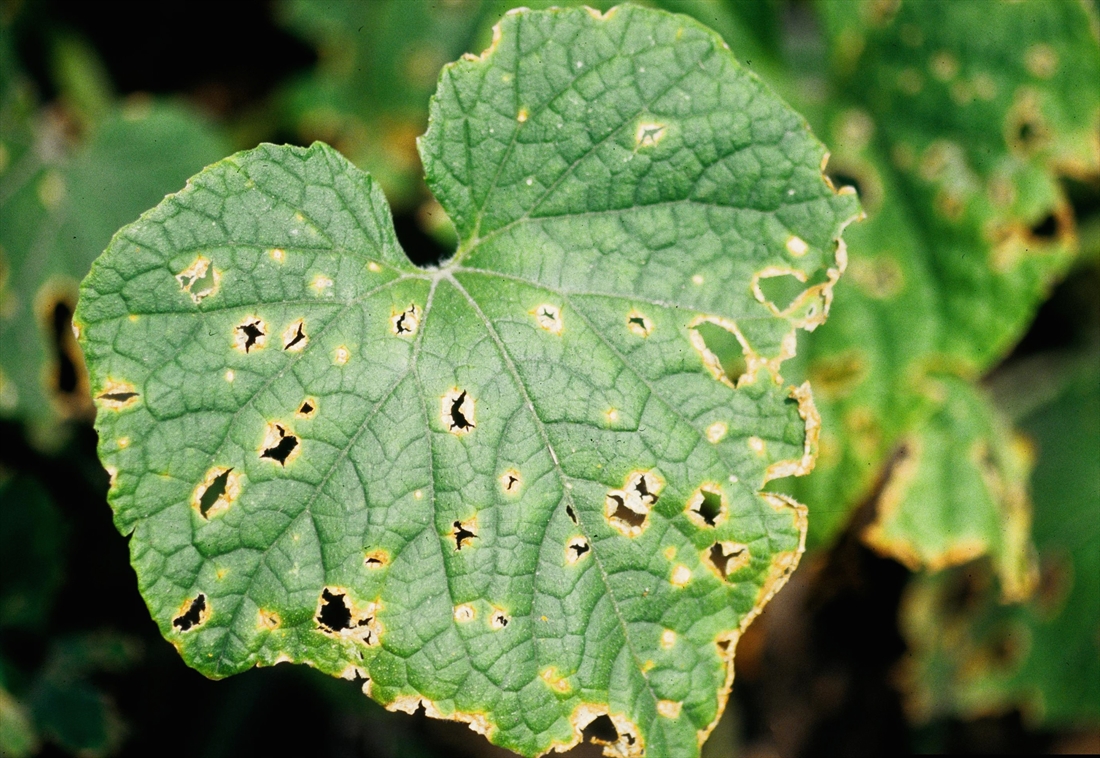
Causal Organism: Colletotrichum orbiculare
Symptoms
- Brown circular spots on leaves
- Sunken lesions on fruits
- Fruit rot
Favorable Conditions
- Warm and humid weather
Management
- Crop rotation
- Use disease-free seeds
- Spray Mancozeb or Carbendazim
4. Fusarium Wilt
Causal Organism: Fusarium oxysporum
Symptoms
- Yellowing of leaves
- Wilting of plants
- Browning of vascular tissues
Favorable Conditions
- Warm soil temperatures
Management
- Use resistant varieties
- Practice crop rotation
- Apply Trichoderma to soil
5. Damping Off
Causal Organisms: Pythium spp., Rhizoctonia spp.
Symptoms
- Seedlings rot before emergence
- Young plants collapse near soil surface
Favorable Conditions
- Excess soil moisture
- Poor drainage
Management
- Use treated seeds
- Maintain proper drainage
- Treat soil with Trichoderma
6. Angular Leaf Spot
Causal Organism: Pseudomonas syringae
Symptoms
- Angular water-soaked spots on leaves
- Spots turn brown and dry
Favorable Conditions
- Cool and humid weather
Management
- Use certified seeds
- Avoid overhead irrigation
- Spray Copper oxychloride
7. Cucumber Mosaic Virus (CMV)
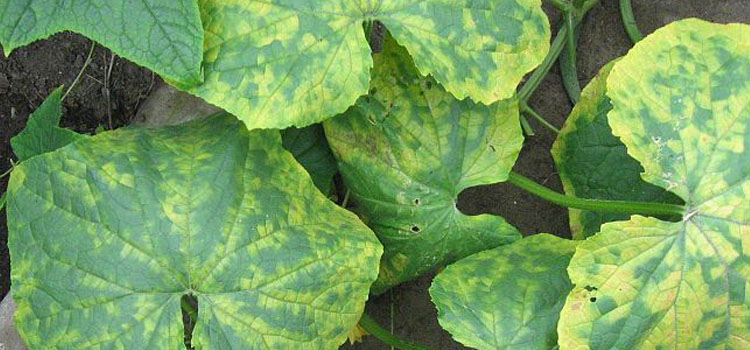
Symptoms
- Mosaic pattern on leaves
- Leaf distortion and stunting
- Reduced fruit yield
Transmission
- Spread mainly by aphids
Management
- Control aphids
- Remove infected plants
- Use resistant varieties
Integrated Pest and Disease Management Strategies
Integrated Pest Management (IPM) combines different practices to control pests and diseases effectively and sustainably.
Crop Rotation
Avoid growing cucurbits in the same field continuously. Rotate with crops such as:
- Cereals
- Legumes
This helps reduce soil-borne diseases.
Field Sanitation
- Remove crop residues
- Destroy infected plants
- Keep fields free from weeds
Resistant Varieties
Use pest and disease-resistant cucumber varieties whenever available.
Proper Irrigation and Spacing
- Avoid waterlogging
- Maintain recommended spacing
- Ensure good air circulation
Biological Control Agents
Use beneficial organisms such as:
- Trichoderma for soil-borne diseases
- Pseudomonas fluorescens for disease suppression
- Neem-based products for pest control
Judicious Use of Pesticides
- Apply pesticides only when necessary
- Follow recommended doses
- Rotate chemicals to avoid resistance
Conclusion
Cucumber cultivation can be highly profitable when proper pest and disease management practices are followed. Insect pests such as aphids, whiteflies, thrips, fruit flies, and mites, along with diseases like powdery mildew, downy mildew, anthracnose, and viral infections, can significantly reduce crop yield and quality.
Regular field monitoring, early identification of problems, and adoption of Integrated Pest Management (IPM) strategies are essential for sustainable cucumber production. Farmers should focus on preventive practices such as crop rotation, field sanitation, resistant varieties, biological control agents, and careful pesticide use.
By implementing these practices, farmers can reduce crop losses, improve fruit quality, and achieve higher profitability in cucumber cultivation.