

Types of Mushrooms: A Complete Guide for Indian Farmers, Entrepreneurs & Health-Conscious Consumers
Introduction: Importance of Mushrooms and Growing Demand in India
Mushrooms are one of the most nutritious and profitable crops grown today. They are rich in protein, vitamins, minerals, and medicinal compounds, yet require very little land, water, and time compared to traditional crops. Because of changing food habits, rising health awareness, and increasing vegetarian population, the demand for mushrooms in India is growing rapidly.
Mushroom cultivation is becoming popular among small farmers, women self-help groups, agri-entrepreneurs, and startups because it can be done indoors, generates quick income, and offers high returns. This blog explains the types of mushrooms, their cultivation requirements, nutritional value, and market scope in India.
Classification of Mushrooms
Mushrooms are broadly classified into three main categories:
1. Edible Mushrooms
These mushrooms are safe to eat and widely cultivated for food. They are rich in nutrients and have high market demand.
Examples: Button mushroom, Oyster mushroom, Milky mushroom, Shiitake, Paddy straw mushroom, Enoki.
2. Medicinal Mushrooms
These mushrooms are mainly used for their health benefits and medicinal properties. They are often processed into powders, capsules, or extracts.
Examples: Reishi, Cordyceps, Lion’s Mane.
3. Wild / Poisonous Mushrooms (Awareness Purpose)
Some mushrooms grow naturally in forests and fields. Many of them are poisonous and should never be consumed without expert identification.
⚠️ Important Note: Farmers and consumers should avoid collecting wild mushrooms unless properly trained, as many poisonous mushrooms look similar to edible ones.
Contact us to start your mushroom farming business: +91 93810 29215
Major Edible Mushroom Types in India
1. Button Mushroom

Scientific Name: Agaricus bisporus
Climatic Requirement:
Cool climate with temperature between 14–18°C
Substrate Used:
Compost made from wheat straw, poultry manure, gypsum
Cultivation Season in India:
Winter season (October to March)
Mostly grown in controlled environments
Nutritional Value:
- High protein
- Rich in Vitamin B, selenium, potassium
- Low fat and calories
Market Demand & Uses:
Button mushroom is the most consumed mushroom in India. Used in curries, soups, pizzas, hotels, restaurants, and processed foods.
2. Oyster Mushroom
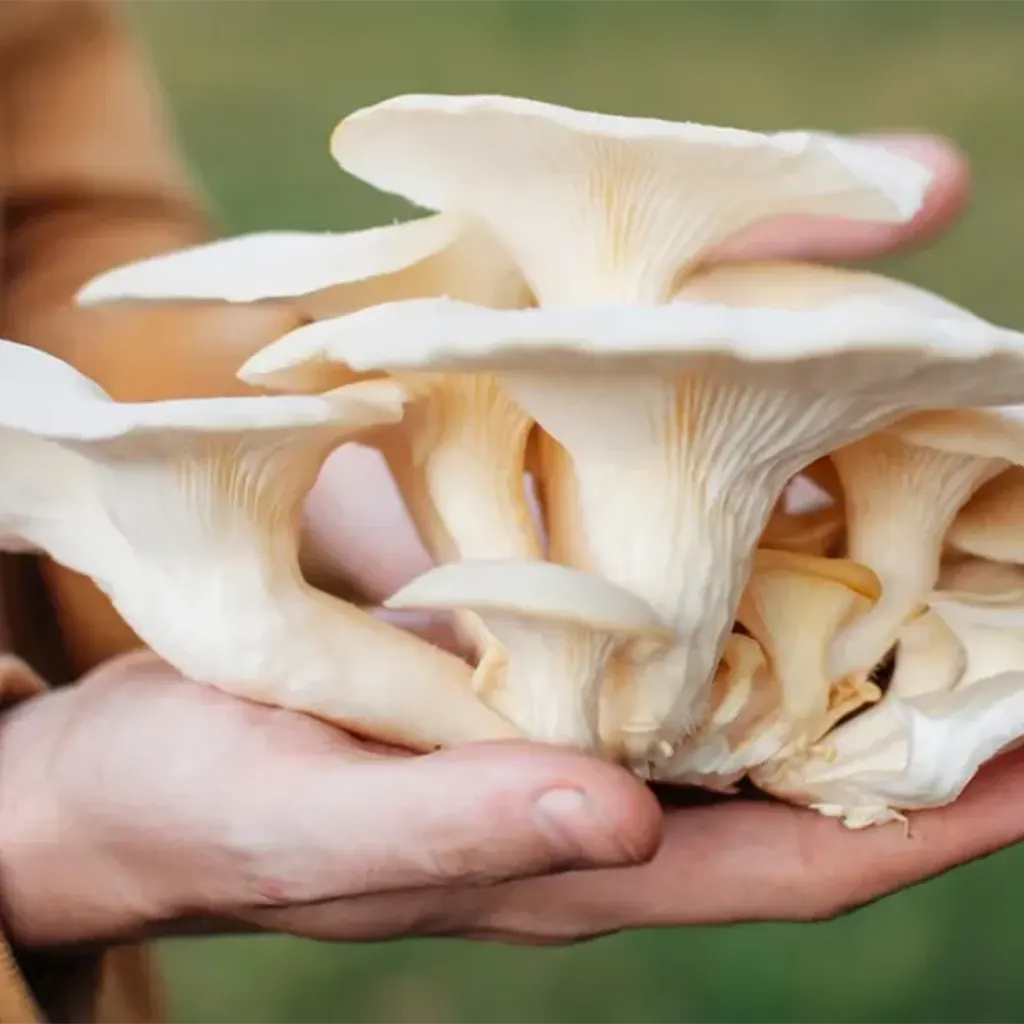
Scientific Name: Pleurotus spp.
Climatic Requirement:
Temperature 20–30°C, moderate humidity
Substrate Used:
Paddy straw, wheat straw, maize stalks, sugarcane bagasse
Cultivation Season in India:
Can be grown throughout the year in most regions
Nutritional Value:
- Good protein content
- Rich in fiber, iron, calcium
- Helps reduce cholesterol
Market Demand & Uses:
High demand due to easy cultivation and low cost. Popular in urban markets, hotels, and health-food consumers.
3. Milky Mushroom
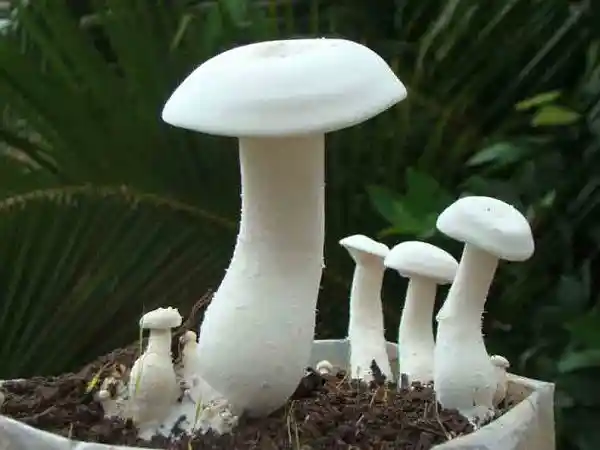
Scientific Name: Calocybe indica
Climatic Requirement:
Warm climate, 25–35°C
Substrate Used:
Paddy straw
Cultivation Season in India:
Best for summer and tropical regions
Nutritional Value:
- High protein
- Rich in calcium and antioxidants
- Good shelf life
Market Demand & Uses:
Very popular in South India. Suitable for fresh vegetable markets and hotels.
4. Shiitake Mushroom
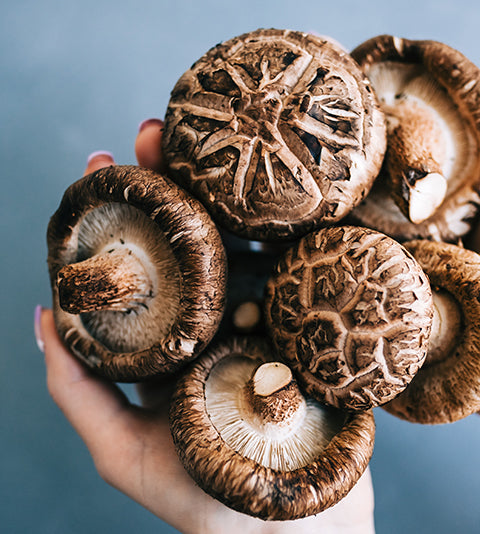
Scientific Name: Lentinula edodes
Climatic Requirement:
Cool and humid climate, 18–25°C
Substrate Used:
Hardwood logs or sawdust blocks
Cultivation Season in India:
Mainly in controlled environments or hill regions
Nutritional Value:
- Boosts immunity
- Rich in Vitamin D
- Anti-cancer properties
Market Demand & Uses:
High demand in pharmaceutical, nutraceutical, and export markets. Premium priced mushroom.
5. Paddy Straw Mushroom

Scientific Name: Volvariella volvacea
Climatic Requirement:
Hot and humid climate, 30–38°C
Substrate Used:
Paddy straw
Cultivation Season in India:
Summer and monsoon season
Nutritional Value:
- Easily digestible
- Good protein and minerals
Market Demand & Uses:
Short shelf life but high demand in local markets, especially in eastern and southern India.
6. Enoki Mushroom

Scientific Name: Flammulina velutipes
Climatic Requirement:
Cool temperature, 10–15°C
Substrate Used:
Sawdust and agricultural waste
Cultivation Season in India:
Grown in controlled conditions
Nutritional Value:
- High fiber
- Improves digestion
- Low calories
Market Demand & Uses:
Popular in Asian cuisine, hotels, and supermarkets in metro cities.
Contact us to start your mushroom farming business: +91 93810 29215
Medicinal Mushrooms and Their Health Benefits
1. Reishi Mushroom
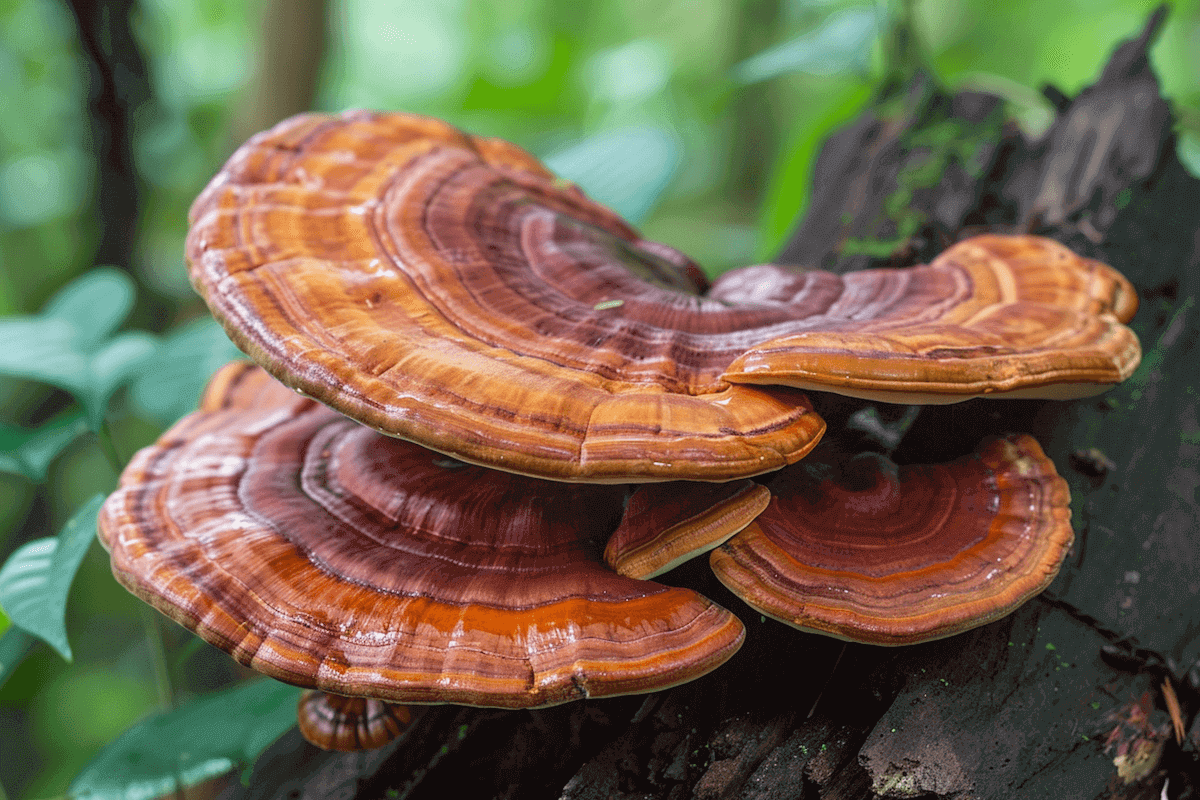
Scientific Name: Ganoderma lucidum
Health Benefits:
- Boosts immunity
- Reduces stress and fatigue
- Supports liver health
Uses:
Used in herbal medicines, tea, capsules, and health supplements.
2. Cordyceps

Scientific Name: Cordyceps militaris
Health Benefits:
- Increases energy and stamina
- Improves respiratory health
- Enhances immunity
Uses:
Highly valued in Ayurvedic and traditional medicine. Very high market price.
3. Lion’s Mane
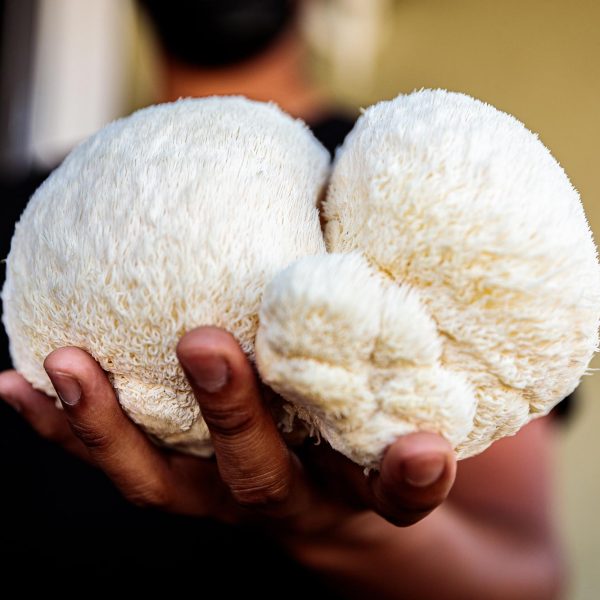
Scientific Name: Hericium erinaceus
Health Benefits:
- Improves brain function
- Supports nerve regeneration
- Good for memory and focus
Uses:
Used in nutraceuticals and brain-health supplements.
Comparison Table of Major Mushrooms
| Mushroom Type | Temperature (°C) | Yield | Difficulty Level |
|---|---|---|---|
| Button | 14–18 | High | High |
| Oyster | 20–30 | Medium–High | Easy |
| Milky | 25–35 | Medium | Easy |
| Paddy Straw | 30–38 | Medium | Easy |
| Shiitake | 18–25 | Medium | Moderate |
| Enoki | 10–15 | Medium | High |
Scope of Mushroom Cultivation in India
Mushroom cultivation in India has huge future potential due to:
- Rising health awareness
- Low investment and quick returns
- Support from government schemes and subsidies
- Increasing demand from hotels, supermarkets, and exports
- Suitable for rural youth, women, and small farmers
With proper training, farmers and agripreneurs can earn ₹50,000 to ₹3,00,000 per year from small-scale mushroom units and much more from commercial cultivation.
Conclusion: Income Potential and Future Opportunities
Mushroom cultivation is a smart agribusiness opportunity for Indian farmers and entrepreneurs. Whether it is edible mushrooms for daily consumption or medicinal mushrooms for the health industry, the market is expanding rapidly.
By choosing the right type of mushroom, understanding its climatic needs, and following proper cultivation practices, anyone can start mushroom farming with limited space and investment. In the coming years, mushrooms will play a major role in nutrition security, employment generation, and sustainable agriculture in India.