

Major Pests and Diseases of Mango and Their Management
Mango (Mangifera indica), the “King of Fruits,” is one of the most important commercial fruit crops in India. However, mango productivity and fruit quality are often affected by several pests and diseases at different crop stages. If not managed timely, these problems can cause heavy yield losses, poor fruit quality, and reduced market value.
This blog explains the major pests and diseases of mango, their identification symptoms, damage, favorable conditions, and integrated management practices using cultural, biological, and chemical methods under IPM (Integrated Pest Management).
Major Pests of Mango and Their Management
1. Mango Hopper
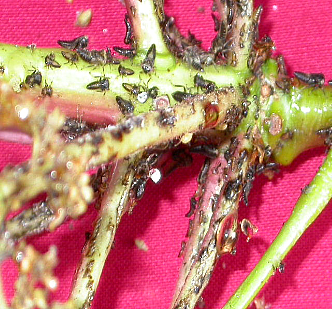
Identification & Symptoms
- Small green, brown, or grey insects found on flower panicles and tender shoots
- Sticky honeydew secretion on leaves and flowers
- Black sooty mould development
Damage Caused
- Sucking sap from flowers and young shoots
- Heavy flower drop and poor fruit set
Favorable Conditions
- Warm and humid weather during flowering
- Dense canopy and excess nitrogen application
Integrated Management
Cultural
- Prune overcrowded branches for aeration
- Avoid excess nitrogen fertilizers
Biological
- Encourage predators like spiders and ladybird beetles
Chemical
- Spray Imidacloprid 0.3 ml/l or Thiamethoxam 0.25 g/l
- First spray at panicle emergence, second at flowering stage

Buy Dr. Eliminator Now: https://www.khethari.com/products/dr-eliminator-insecticide?_pos=1&_sid=54ac3e522&_ss=r
2. Mango Mealy Bug

Identification & Symptoms
- White cottony insects on shoots, leaves, and panicles
- Ant movement on trees
- Weak growth and flower drop
Damage Caused
- Sap sucking leads to drying of inflorescences
- Reduced fruit set
Favorable Conditions
- Dry winter months
- Presence of ants and weeds
Integrated Management
Cultural
- Deep ploughing during summer to destroy eggs
- Apply grease bands on tree trunks
Biological
- Release Cryptolaemus montrouzieri (predator beetle)
Chemical
- Spray Chlorpyriphos 2 ml/l or Imidacloprid 0.3 ml/l
3. Mango Fruit Fly
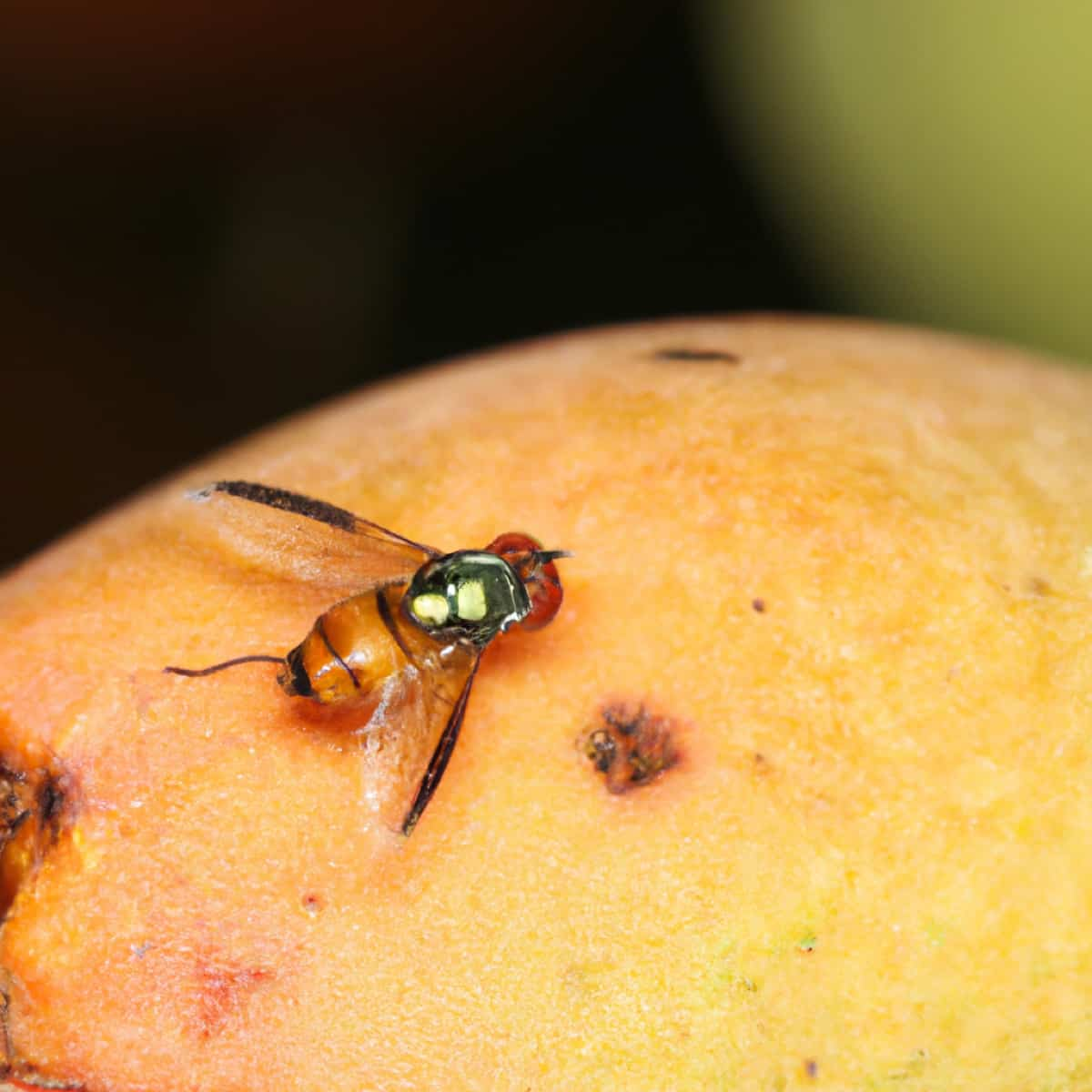
Identification & Symptoms
- Adult flies lay eggs in mature fruits
- Brown puncture marks on fruits
- Maggots inside pulp
Damage Caused
- Fruit rotting and premature fruit drop
- Heavy post-harvest losses
Favorable Conditions
- High temperature and humidity during fruit maturity
- Poor orchard sanitation
Integrated Management
Cultural
- Collect and destroy fallen fruits
- Deep burying of infested fruits
Biological
- Use pheromone traps (10–12 traps/acre)
Chemical
- Protein bait spray + Malathion 2 ml/l
- Avoid spraying close to harvest
4. Stem Borer

Identification & Symptoms
- Holes in trunk and branches
- Gum oozing mixed with frass
- Wilting of branches
Damage Caused
- Tunnels weaken the tree
- Severe infestation may kill trees
Favorable Conditions
- Poor orchard hygiene
- Old and neglected orchards
Integrated Management
Cultural
- Clean trunk regularly
- Remove and burn affected branches
Mechanical
- Insert iron wire into holes to kill grubs
Chemical
- Inject Chlorpyriphos 0.1% and seal holes with mud
5. Leaf Webber

Identification & Symptoms
- Leaves webbed together with caterpillars inside
- Skeletonized leaves
Damage Caused
- Reduced photosynthesis
- Weak tree growth
Favorable Conditions
- Warm weather with dense foliage
Integrated Management
Cultural
- Remove and destroy webbed leaves
Biological
- Use Bacillus thuringiensis (Bt)
Chemical
- Spray Emamectin benzoate 0.4 g/l
- Major Diseases of Mango and Their Management
1. Powdery Mildew
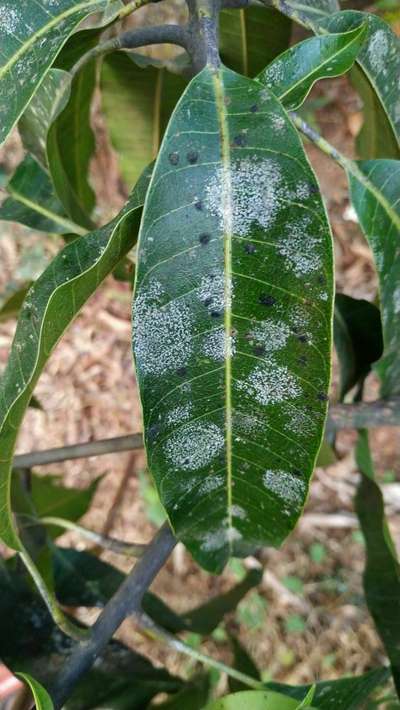
Symptoms
- White powdery growth on leaves, flowers, and fruits
- Flower drop and fruit abortion
Favorable Conditions
- Cool nights and high humidity during flowering
Management
Preventive
- Proper spacing and pruning
Chemical
- Spray Wettable Sulphur 2 g/l or Hexaconazole 1 ml/l
- Spray at flowering and repeat after 15 days
2. Anthracnose
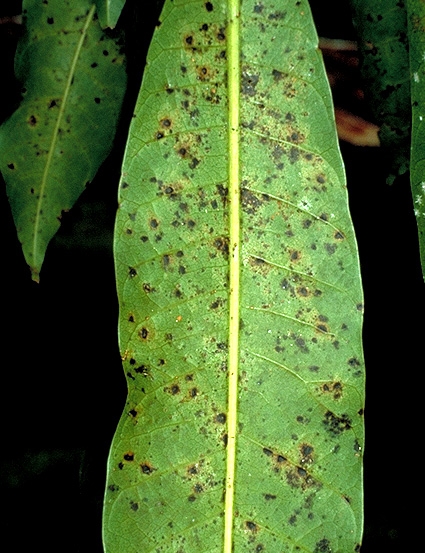
Symptoms
- Black spots on leaves, flowers, and fruits
- Fruit rot during storage and transport
Favorable Conditions
- Rainy and humid climate
Management
Cultural
- Prune infected branches
Chemical
- Spray Carbendazim 1 g/l or Copper oxychloride 3 g/l
3. Bacterial Canker
Symptoms
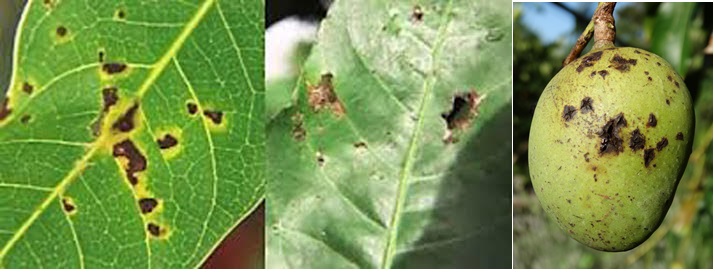
- Angular leaf spots with yellow halo
- Cracks on branches and fruits
- Gummy exudation
Favorable Conditions
- High humidity and rainfall
Management
Cultural
- Use disease-free planting material
Chemical
- Spray Streptocycline 0.1 g/l + Copper oxychloride 3 g/l
4. Red Rust (Algal Leaf Spot)
Symptoms
- Orange-red circular patches on leaves
- Reduced photosynthesis
Favorable Conditions
- Moist and shady orchards
Management
Cultural
- Improve sunlight penetration
Chemical
- Spray Bordeaux mixture 1% or Copper fungicide
5. Mango Malformation
Symptoms
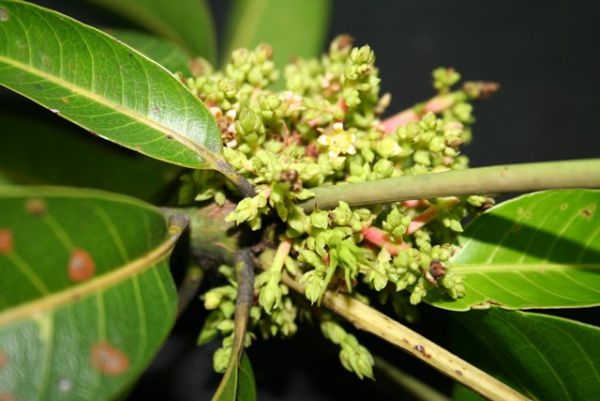
- Deformed vegetative shoots and flowers
- Bunchy top appearance
- No fruit setting
Favorable Conditions
- Cool temperatures
- Excess nitrogen
Management
Cultural
- Prune and burn affected parts
- Avoid excess nitrogen
Chemical
- Spray NAA 200 ppm during October
- Carbendazim spray after pruning
Preventive Measures & IPM Approach
- Use certified, disease-free planting material
- Maintain orchard sanitation
- Follow balanced fertilizer application
- Monitor pest population regularly
- Prefer biological and mechanical methods first
- Use chemicals only when economic threshold levels are crossed
- Follow recommended spray schedules and waiting periods
Conclusion
Mango pests and diseases can significantly reduce yield and fruit quality if not managed properly. Adopting an Integrated Pest Management (IPM) approach—combining cultural, biological, and need-based chemical methods—ensures sustainable mango production, reduced costs, and safer fruits. Timely identification and management play a crucial role in achieving higher productivity and better market returns for mango farmers.