
रागी (फिंगर मिलेट) पैकेज ऑफ प्रैक्टिसेज: किसानों के लिए संपूर्ण खेती गाइड

जोड़ना
1. परिचय
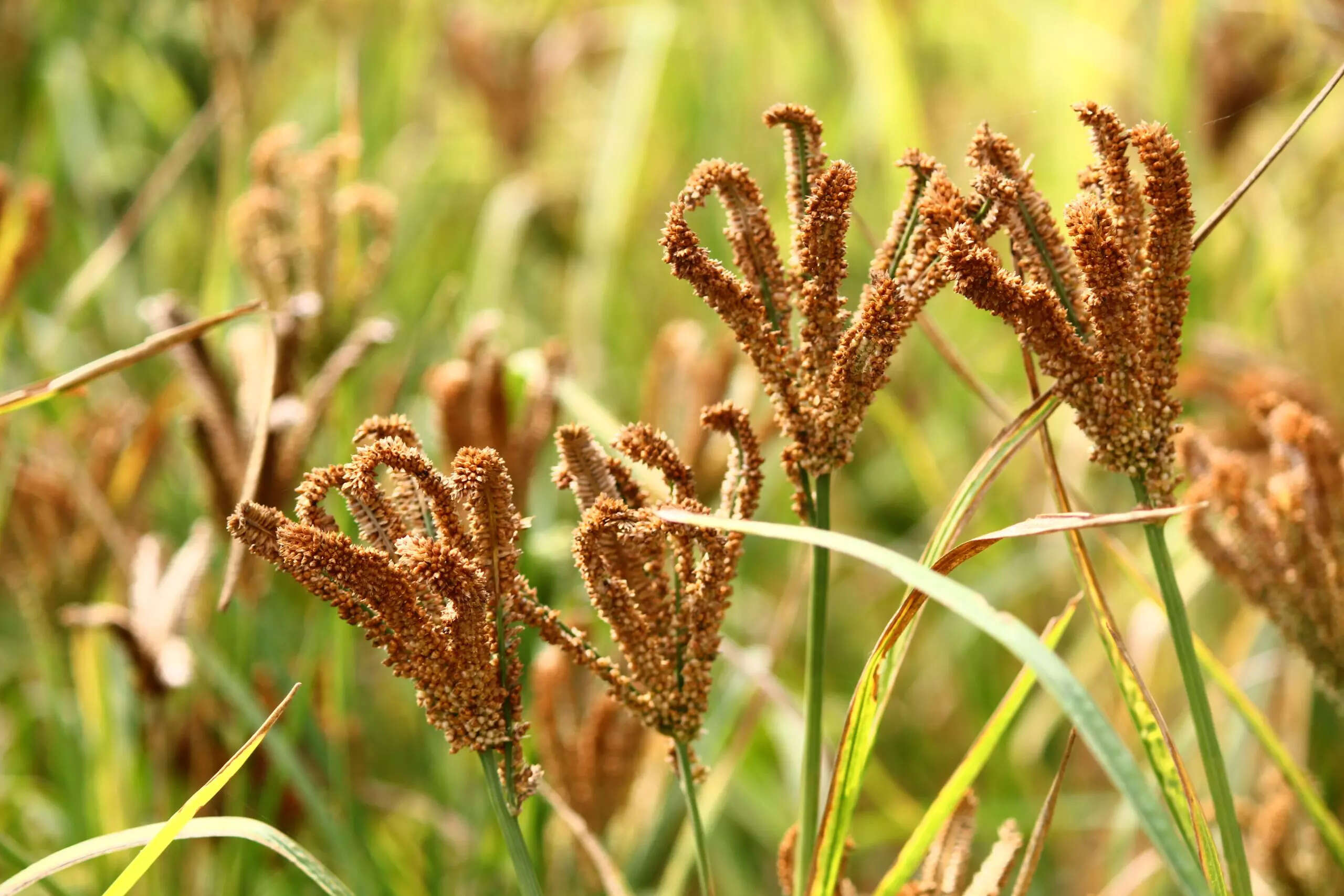
रागी, जिसे फिंगर मिलेट के नाम से भी जाना जाता है, भारत में उगाए जाने वाले सबसे महत्वपूर्ण पोषक-अनाजों में से एक है। पारंपरिक रूप से वर्षा सिंचित और शुष्क क्षेत्रों में उगाया जाने वाला रागी अपने उच्च पोषण मूल्य, जलवायु लचीलेपन और बढ़ती बाजार मांग के कारण फिर से महत्वपूर्ण हो गया है। आज, रागी की खेती छोटे और सीमांत किसानों के लिए एक लाभदायक और टिकाऊ खेती विकल्प के रूप में उभर रही है।
भारत में रागी की खेती का महत्व
भारत रागी का दुनिया का सबसे बड़ा उत्पादक है, जिसकी मुख्य खेती कर्नाटक, तमिलनाडु, आंध्र प्रदेश, तेलंगाना, ओडिशा, महाराष्ट्र और उत्तराखंड में होती है। किसान रागी को पसंद करते हैं क्योंकि:
- यह कम वर्षा की स्थिति में अच्छा प्रदर्शन करता है
- इसे न्यूनतम इनपुट की आवश्यकता होती है
- यह शुष्क भूमि कृषि के लिए उपयुक्त है
- यह सूखे और खराब मिट्टी के प्रति अत्यधिक सहिष्णु है
- यह अन्य अनाजों की तुलना में स्थिर उपज प्रदान करता है
रागी की खेती अर्ध-शुष्क क्षेत्रों में खाद्य और पोषण सुरक्षा सुनिश्चित करने में महत्वपूर्ण भूमिका निभाती है।
पोषक मूल्य और स्वास्थ्य लाभ
रागी को अक्सर इसकी असाधारण पोषण संरचना के कारण "सुपर मिलेट" कहा जाता है।
| पोषक तत्व | लाभ |
|---|---|
| कैल्शियम | हड्डियों और दांतों को मजबूत बनाता है |
| आयरन | एनीमिया से बचाता है |
| आहार फाइबर | पाचन में सुधार करता है |
| प्रोटीन | शरीर के विकास में सहायता करता है |
| एंटीऑक्सिडेंट | रोग प्रतिरोधक क्षमता बढ़ाता है |
स्वास्थ्य के प्रति जागरूक उपभोक्ता तेजी से रागी उत्पादों जैसे आटा, बिस्कुट, माल्ट और तैयार भोजन का चुनाव कर रहे हैं।
बढ़ती मांग और बाजार की संभावना
मिलेट मिशन के तहत सरकारी प्रोत्साहन और स्वस्थ आहार के बारे में बढ़ती जागरूकता के साथ, शहरी बाजारों में रागी की मांग तेजी से बढ़ रही है। मूल्य वर्धित उत्पाद किसानों और कृषि-उद्यमियों को बेहतर आय के अवसर प्रदान करते हैं।
2. जलवायु और मिट्टी की आवश्यकताएँ
उपयुक्त जलवायु परिस्थितियाँ
रागी उष्णकटिबंधीय और उपोष्णकटिबंधीय जलवायु में अच्छी तरह से बढ़ता है और प्रतिकूल मौसम की स्थिति के लिए अत्यधिक अनुकूल है।
- वर्षा सिंचित क्षेत्रों के लिए सबसे उपयुक्त
- चावल और गेहूं की तुलना में सूखे को बेहतर ढंग से सहन कर सकता है
- 2,300 मीटर ऊंचाई तक उपयुक्त
तापमान आवश्यकताएँ
- इष्टतम तापमान: 20°C – 30°C
- अंकुरण तापमान: 18–27°C
वर्षा आवश्यकताएँ
- आदर्श वर्षा: प्रति वर्ष 500-1000 मिमी
- अच्छी तरह से वितरित वर्षा फसल के अच्छे विकास को सुनिश्चित करती है।
आदर्श मिट्टी के प्रकार और पीएच
रागी विभिन्न प्रकार की मिट्टी में उग सकता है, लेकिन सबसे अच्छा प्रदर्शन करता है:
- लाल दोमट मिट्टी
- रेतीली दोमट मिट्टी
- अच्छी जल निकासी वाली काली मिट्टी
मिट्टी का पीएच: 5.5 – 7.5 (थोड़ा अम्लीय से तटस्थ)
जलभराव की स्थिति से बचें।
3. रागी की उन्नत किस्में
उपयुक्त किस्मों का चयन उत्पादकता और रोग प्रतिरोधक क्षमता बढ़ाता है।
| किस्म | अवधि (दिन) | उपयुक्त क्षेत्र | विशेषताएँ |
|---|---|---|---|
| जीपीयू-28 | 100–110 | दक्षिण भारत | अधिक उपज देने वाली |
| जीपीयू-67 | 105–115 | कर्नाटक और आंध्र प्रदेश | ब्लास्ट प्रतिरोधी |
| एमआर-1 | 110–120 | वर्षा सिंचित क्षेत्र | स्थिर उपज |
| पीआर-202 | 100–105 | तमिलनाडु | जल्दी पकने वाली |
| वीएल मंडुआ 352 | 110 | पहाड़ी क्षेत्र | ठंड सहिष्णु |
किसानों को स्थानीय जलवायु और वर्षा के आधार पर किस्मों का चयन करना चाहिए।
4. भूमि की तैयारी
उचित भूमि तैयारी से अच्छा अंकुरण और जड़ विकास सुनिश्चित होता है।
खेत की तैयारी के चरण
- मोल्डबोर्ड हल का उपयोग करके एक गहरी जुताई।
- बारीक जुताई के लिए 2-3 हैरोइंग।
- खरपतवारों और फसल अवशेषों को हटा दें।
- समान सिंचाई के लिए खेत को समतल करें।
महत्वपूर्ण प्रथाएँ
- भारी मिट्टी में जल निकासी चैनल बनाएं।
- अंतिम जुताई के दौरान जैविक खाद मिलाएं।
5. बीज दर और बीज उपचार
अनुशंसित बीज दर
| विधि | बीज दर |
|---|---|
| पंक्ति में बुवाई | 4–5 किग्रा/एकड़ |
| छिटकवाँ विधि | 6–8 किग्रा/एकड़ |
| प्रत्यारोपण | 2 किग्रा/एकड़ नर्सरी |
बीज उपचार
बीज उपचार से अंकुरण में सुधार होता है और अंकुरों को बीमारियों से बचाता है।
जैव उर्वरक उपचार
- बीज को एज़ोस्पिरिलम या पीएसबी @ 25 ग्राम/किग्रा बीज से उपचारित करें।
कवकनाशी उपचार
- कार्बेन्डाजिम या थिरम @ 2 ग्राम/किग्रा बीज (यदि रोग का इतिहास मौजूद है)।
चरण:
- पहले कवकनाशी से उपचारित करें।
- छाया में सुखाएं।
- बुवाई से पहले जैव उर्वरकों का प्रयोग करें।
6. बुवाई का समय और तरीका
मौसम-वार बुवाई
| मौसम | बुवाई का समय |
|---|---|
| खरीफ | जून – जुलाई |
| रबी (सिंचित क्षेत्र) | सितंबर – अक्टूबर |
बुवाई के तरीके
पंक्ति में बुवाई (अनुशंसित)
- बेहतर पौधों की संख्या
- आसान निराई और उर्वरक का प्रयोग
- उच्च उपज
छिटकवाँ विधि
- वर्षा सिंचित क्षेत्रों के लिए उपयुक्त लेकिन कम कुशल।
रिक्ति
- पंक्ति रिक्ति: 22–30 सेमी
- पौधे की रिक्ति: 8–10 सेमी
7. पोषक तत्व प्रबंधन
संतुलित पोषण उपज और दाने की गुणवत्ता में सुधार करता है।
जैविक खाद का प्रयोग
- फार्मयार्ड खाद (FYM): 2-4 टन/एकड़
- भूमि की तैयारी के दौरान प्रयोग करें।
अनुशंसित उर्वरक खुराक
| पोषक तत्व | प्रति एकड़ मात्रा |
|---|---|
| नाइट्रोजन (N) | 20-25 किग्रा |
| फास्फोरस (P₂O₅) | 16-20 किग्रा |
| पोटेशियम (K₂O) | 16-20 किग्रा |
आवेदन अनुसूची
- बेसल: पूर्ण पी और के + आधा नाइट्रोजन
- टॉप ड्रेसिंग: बुवाई के 30 दिन बाद शेष नाइट्रोजन।
एकीकृत पोषक तत्व प्रबंधन (INM)
मिलाएँ:
- जैविक खाद
- जैव उर्वरक
- रासायनिक उर्वरक
लाभ:
- मिट्टी की उर्वरता में सुधार करता है
- उर्वरक लागत कम करता है
- स्थिरता बढ़ाता है
8. सिंचाई प्रबंधन
रागी ज़्यादातर वर्षा-सिंचित फसल है, लेकिन सिंचाई के प्रति अच्छी प्रतिक्रिया देती है।
सिंचाई के महत्वपूर्ण चरण
- टिलरिंग अवस्था
- फूल आने की अवस्था
- दाना भरने की अवस्था
पानी बचाने के तरीके
- पलवार
- वर्षा जल संचयन
- खेत तालाब
- खेत का उचित समतलीकरण
फसल को गिरने से बचाने के लिए अत्यधिक सिंचाई से बचें।
9. खरपतवार प्रबंधन
शुरुआती विकास के दौरान खरपतवार कड़ी प्रतिस्पर्धा करते हैं।
खरपतवार-मुक्त महत्वपूर्ण अवधि
बुवाई के बाद पहले 30-40 दिन।
यांत्रिक नियंत्रण
- बुवाई के 20 और 35 दिन बाद हाथ से खरपतवार निकालना।
- पंक्ति में बुवाई में व्हील हो या कोनो वीडर।
रासायनिक नियंत्रण
- अंकुरण से पहले: बुवाई के बाद पेंडिमेथालिन की अनुशंसित खुराक।
एकीकृत खरपतवार प्रबंधन से सर्वोत्तम परिणाम मिलते हैं।
10. कीट और रोग प्रबंधन
प्रमुख कीट
| कीट | लक्षण | प्रबंधन |
|---|---|---|
| तना छेदक | डेड हार्ट | नीम के तेल का छिड़काव, फेरोमोन ट्रैप |
| एफिड्स | पत्तियों का मुड़ना | नीम आधारित कीटनाशकों का छिड़काव करें |
| कटवर्म | अंकुर क्षति | खेत की स्वच्छता |
प्रमुख रोग
| रोग | लक्षण | प्रबंधन |
|---|---|---|
| ब्लास्ट | पत्ती पर धब्बे और गर्दन में संक्रमण | प्रतिरोधी किस्में + फफूंदनाशक का छिड़काव |
| पत्ती पर धब्बे | भूरे रंग के घाव | बीज उपचार + मैंकोजेब का छिड़काव |
एकीकृत कीट प्रबंधन (आईपीएम)
- प्रतिरोधी किस्मों का उपयोग करें
- फसल चक्र
- नीम आधारित जैव कीटनाशक
- संतुलित उर्वरक
- खेत की नियमित निगरानी
11. अंतर-सांस्कृतिक कार्य
उचित अंतर-सांस्कृतिक पद्धतियों से फसल की स्थिति में सुधार होता है।
- छँटाई: अंकुरण के बाद उचित दूरी बनाए रखें।
- गैप फिलिंग: 10-12 दिनों के भीतर छूटे हुए पौधों को बदलें।
- मिट्टी चढ़ाना: पौधों को मज़बूत करता है और गिरने से बचाता है।
12. कटाई और कटाई के बाद का प्रबंधन
परिपक्वता संकेतक
- बालियाँ भूरी हो जाती हैं।
- दाने कठोर हो जाते हैं।
- पत्तियाँ सूखने लगती हैं।
कटाई की विधि
- हँसिए का उपयोग करके बालियों या पूरे पौधों को काटें।
- गहाई से पहले 3-4 दिनों तक सुखाएँ।
सुखाना और भंडारण
- दानों को 12% नमी तक सुखाएँ।
- साफ, सूखे कंटेनरों में स्टोर करें।
- भंडारण कीट नियंत्रण के लिए नीम की पत्तियों का उपयोग करें।
13. उपज और अर्थशास्त्र
औसत उपज
| स्थिति | उपज |
|---|---|
| वर्षा-सिंचित | 8-12 क्विंटल/एकड़ |
| सिंचित | 12-18 क्विंटल/एकड़ |
लागत-लाभ का अवलोकन
- चावल या मक्का की तुलना में कम इनपुट लागत।
- सूखे वाले वर्षों में भी स्थिर लाभ।
- पशुचारे के रूप में भूसे से अतिरिक्त आय।
रागी की खेती न्यूनतम जोखिम के साथ अच्छी लाभप्रदता प्रदान करती है।
14. रागी की खेती के फायदे
जलवायु लचीलापन
- सूखा प्रतिरोधी फसल
- जलवायु परिवर्तनशीलता के तहत अच्छा प्रदर्शन करती है
कम इनपुट आवश्यकता
- कम उर्वरक और पानी की आवश्यकता होती है
- जैविक खेती के लिए उपयुक्त
पोषण सुरक्षा
- बाजरा आधारित स्वस्थ आहार का समर्थन करता है
छोटे किसानों के लिए उपयुक्त
- कम निवेश
- विश्वसनीय उपज
15. निष्कर्ष: रागी की खेती का भविष्य का दायरा
रागी की खेती भारत में सतत और जलवायु-स्मार्ट कृषि के भविष्य का प्रतिनिधित्व करती है। स्वस्थ भोजन के बारे में बढ़ती जागरूकता, सरकारी बाजरा संवर्धन कार्यक्रमों और बाजरा-आधारित उत्पादों की बढ़ती मांग के साथ, फिंगर मिलेट की खेती किसानों और कृषि उद्यमियों के लिए उत्कृष्ट अवसर प्रदान करती है।
अनुशंसित रागी पैकेज ऑफ प्रैक्टिसेज को अपनाने से - जिसमें बेहतर किस्में, एकीकृत पोषक तत्व प्रबंधन, कुशल खरपतवार नियंत्रण और आईपीएम रणनीतियाँ शामिल हैं - उत्पादकता और लाभप्रदता में उल्लेखनीय वृद्धि हो सकती है।
जैसे-जैसे कृषि स्थिरता की ओर बढ़ रही है, भारत में बाजरा की खेती, विशेष रूप से रागी की खेती, खाद्य सुरक्षा, किसानों की आय स्थिरता और पर्यावरण संरक्षण सुनिश्चित करने में महत्वपूर्ण भूमिका निभाएगी।