
नीम का तेल: कृषि में कीट प्रबंधन के लिए एक पूर्ण मार्गदर्शिका

जोड़ना
परिचय
आधुनिक कृषि में, किसान रासायनिक कीटनाशकों के सुरक्षित, पर्यावरण के अनुकूल और लागत प्रभावी विकल्पों की तलाश कर रहे हैं। एक प्राकृतिक समाधान जिसने विश्व स्तर पर मान्यता प्राप्त की है, वह नीम का तेल है। नीम के पेड़ के बीजों से प्राप्त, नीम के तेल का उपयोग भारतीय कृषि और पारंपरिक चिकित्सा में सदियों से किया जाता रहा है।
आज, नीम का तेल जैविक खेती, एकीकृत कीट प्रबंधन (IPM), और टिकाऊ कृषि में अपनी शक्तिशाली कीट-नियंत्रण गुणों और पर्यावरणीय सुरक्षा के कारण महत्वपूर्ण भूमिका निभाता है।
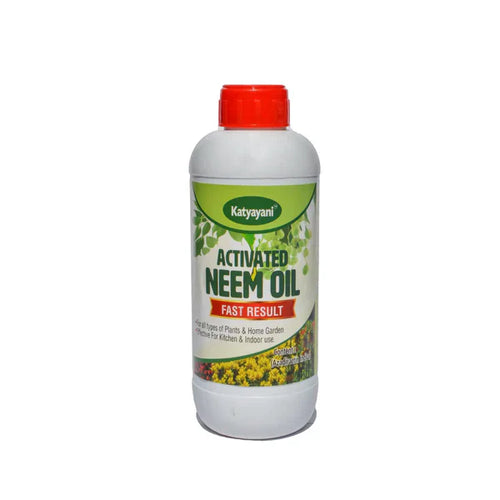
नीम का तेल खरीदें: https://www.khethari.com/search?q=neem+oil
नीम का तेल क्या है?
नीम का तेल एक प्राकृतिक वनस्पति तेल है जो नीम के पेड़ (अज़ाडिरेक्टा इंडिका) के बीजों से निकाला जाता है, जो भारत का मूल निवासी है और उष्णकटिबंधीय क्षेत्रों में व्यापक रूप से उगाया जाता है।
तेल में कई बायोएक्टिव यौगिक होते हैं, जिनमें सबसे महत्वपूर्ण अज़ाडिरेक्टिन है, जो एक प्राकृतिक कीट विकर्षक और वृद्धि नियामक के रूप में कार्य करता है।
नीम के तेल के प्रमुख घटक
- अज़ाडिरेक्टिन – कीट वृद्धि नियामक
- निमबिन – ऐंटिफंगल और जीवाणुरोधी
- सलैनिन – कीट विकर्षक
- मेलियानट्रियोल – आहार अवरोधक
ये यौगिक नीम के तेल को कृषि कीटों की एक विस्तृत श्रृंखला के खिलाफ प्रभावी बनाते हैं।
आधुनिक कृषि में नीम का तेल क्यों महत्वपूर्ण है
कीटनाशक अवशेषों, मृदा क्षरण और पर्यावरणीय प्रदूषण के बारे में बढ़ती चिंताओं के साथ, नीम का तेल एक टिकाऊ समाधान प्रदान करता है।
प्रमुख लाभ
✅ पर्यावरण के अनुकूल और बायोडिग्रेडेबल
✅ मनुष्यों, जानवरों और लाभकारी कीटों के लिए सुरक्षित (जब ठीक से उपयोग किया जाए)
✅ रासायनिक कीटनाशक निर्भरता को कम करता है
✅ जैविक खेती के लिए उपयुक्त
✅ पौधों के स्वास्थ्य को स्वाभाविक रूप से सुधारता है
नीम का तेल मिट्टी और पारिस्थितिकी तंत्र पर रासायनिक भार को कम करके जलवायु-स्मार्ट कृषि का समर्थन करता है।
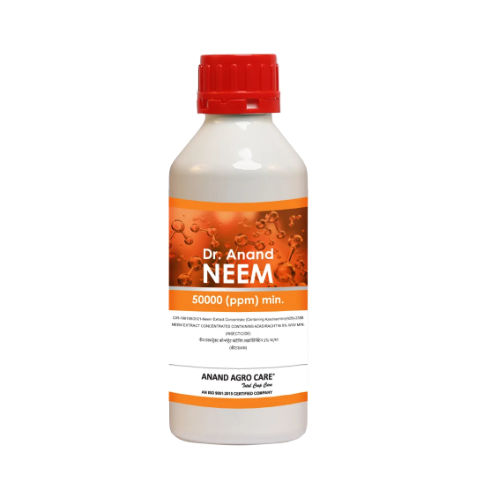
नीम का तेल खरीदें: https://www.khethari.com/search?q=neem+oil
नीम का तेल कीटों के खिलाफ कैसे काम करता है
रासायनिक कीटनाशकों के विपरीत जो तुरंत कीटों को मारते हैं, नीम का तेल कई जैविक तंत्रों के माध्यम से काम करता है:
1. विकर्षक क्रिया
गंध और यौगिक कीटों को खाने और अंडे देने से रोकते हैं।
2. एंटीफीडेंट प्रभाव
कीट संपर्क के बाद खाना बंद कर देते हैं, जिससे भूखमरी हो जाती है।
3. वृद्धि में बाधा
अज़ाडिरेक्टिन कीट हार्मोन में हस्तक्षेप करता है, जिससे मोल्टिंग और प्रजनन रुक जाता है।
4. अंडे और लार्वा नियंत्रण
अंडों के निकलने की दर को कम करता है और कीटों के जीवन चक्र को तोड़ता है।
इन क्रियाओं के कारण, कीट आसानी से प्रतिरोध विकसित नहीं करते हैं।
नीम के तेल से नियंत्रित कीट
नीम का तेल कई चूसने और चबाने वाले कीटों के खिलाफ प्रभावी है:
- एफिड्स
- सफ़ेद मक्खियाँ
- थ्रिप्स
- माइट्स
- मीलीबग्स
- लीफ माइनर्स
- कैटरपिलर (शुरुआती चरण)
- जैसिड्स
- स्केल कीट
इसका उपयोग सब्जियों, फलों, दालों, तिलहन, बागान फसलों और सजावटी पौधों में व्यापक रूप से किया जाता है।
नीम के तेल से नियंत्रित रोग
नीम का तेल ऐंटिफंगल गुण भी दिखाता है और प्रबंधन में मदद करता है:
- पाउडरी मिल्ड्यू
- रस्ट रोग
- लीफ स्पॉट
- ब्लैक स्पॉट
- शुरुआती फंगल संक्रमण
यह पत्तियों पर एक सुरक्षात्मक परत बनाकर रोग के प्रसार को रोकता है।
नीम के तेल के उपयोग के लिए उपयुक्त फसलें
नीम के तेल का उपयोग लगभग सभी फसलों पर किया जा सकता है:
खेत की फसलें
- कपास
- धान
- मक्का
- दालें
सब्जी फसलें
- टमाटर
- मिर्च
- बैंगन
- पत्ता गोभी
- भिंडी
फल फसलें
- आम
- खट्टे फल
- केला
- अंगूर
बागान फसलें
- चाय
- कॉफी
- नारियल
नीम का तेल तैयार करने और स्प्रे करने की विधि
अनुशंसित खुराक
-
प्रति लीटर पानी में 2-5 मिली नीम का तेल
मिश्रण प्रक्रिया
- आवश्यक पानी की मात्रा लें।
- नीम का तेल डालें।
- ठीक से मिलाने के लिए हल्का तरल साबुन या इमल्सीफायर (1 मिली/लीटर) डालें।
- छिड़काव से पहले अच्छी तरह हिलाएं।
- छिड़काव का समय
✅ सुबह या शाम
✅ तेज धूप से बचें
✅ पत्तियों के दोनों ओर समान रूप से स्प्रे करें
आवेदन की आवृत्ति
- निवारक स्प्रे: हर 7-10 दिन में
- भारी प्रकोप: हर 5-7 दिन में
- बारिश के बाद: फिर से स्प्रे करें
नियमित आवेदन से सर्वोत्तम परिणाम मिलते हैं।
पौधों के लिए नीम के तेल के लाभ
1. कीट नियंत्रण
पारिस्थितिकी तंत्र के संतुलन को नुकसान पहुंचाए बिना कीटों को नियंत्रित करता है।
2. पौधों की वृद्धि का समर्थन
पत्ती के स्वास्थ्य और प्रकाश संश्लेषण दक्षता में सुधार करता है।
3. अवशेष-मुक्त उत्पाद
निर्यात-गुणवत्ता वाले जैविक उत्पादों के लिए उपयुक्त।
4. मृदा स्वास्थ्य में सुधार
लाभकारी मृदा रोगाणुओं को नुकसान नहीं पहुंचाता है।
जैविक खेती में नीम का तेल
नीम के तेल को दुनिया भर में जैविक कृषि में उपयोग के लिए अनुमोदित किया गया है। यह पूरी तरह से इसमें फिट बैठता है:
- एकीकृत कीट प्रबंधन (IPM)
- प्राकृतिक खेती
- शून्य बजट प्राकृतिक खेती (ZBNF)
- टिकाऊ कृषि प्रणालियाँ
जैविक खेती अपनाने वाले किसान नीम-आधारित फॉर्मूलेशन पर बहुत अधिक निर्भर करते हैं।
नीम का तेल का उपयोग करते समय सावधानियां
⚠️ दोपहर के गर्म घंटों के दौरान स्प्रे न करें
⚠️ ओवरडोज से बचें (पत्ती जलने का कारण बन सकता है)
⚠️ पहले एक छोटे से क्षेत्र पर स्प्रे करके परीक्षण करें
⚠️ ठंडी, अंधेरी जगह पर स्टोर करें
⚠️ छिड़काव के दौरान घोल को लगातार हिलाते रहें
नीम के तेल की सीमाएं
- रासायनिक कीटनाशकों की तुलना में धीमी गति से काम करता है
- बार-बार आवेदन की आवश्यकता होती है
- अकेले गंभीर प्रकोप पर कम प्रभावी होता है
- प्रभावशीलता के लिए उचित मिश्रण की आवश्यकता होती है
हालांकि, दीर्घकालिक लाभ इन सीमाओं से अधिक हैं।
किसानों के लिए आर्थिक लाभ
नीम के तेल का उपयोग करने से किसानों को मदद मिलती है:
- कीटनाशक लागत कम करें
- बाजार स्वीकृति बढ़ाएं
- अवशेष-मुक्त फसलें उगाएं
- मृदा की स्थिरता में सुधार करें
- जैविक प्रीमियम बाजारों तक पहुंच
कृषि में नीम के तेल का भविष्य का दायरा
खाद्य सुरक्षा और पर्यावरण संरक्षण के बारे में बढ़ती जागरूकता के साथ, नीम-आधारित जैव-कीटनाशक कृषि में आवश्यक इनपुट बन रहे हैं। जैविक खेती और टिकाऊ प्रथाओं को बढ़ावा देने वाली सरकारी नीतियों से नीम के तेल की मांग में और वृद्धि होने की उम्मीद है।
नीम के पेड़ों का प्राकृतिक घर होने के नाते, भारत में वैश्विक नीम-आधारित कृषि समाधानों का नेतृत्व करने की अपार क्षमता है।
निष्कर्ष
नीम का तेल स्थायी कीट प्रबंधन के लिए किसानों के लिए उपलब्ध सबसे शक्तिशाली प्राकृतिक उपकरणों में से एक है। यह रासायनिक कीटनाशकों के लिए एक प्रभावी, पर्यावरण के अनुकूल और किफायती विकल्प प्रदान करता है, जबकि मिट्टी के स्वास्थ्य, फसल उत्पादकता और पर्यावरणीय संतुलन की रक्षा करता है।
नियमित फसल प्रबंधन प्रथाओं में नीम के तेल को एकीकृत करके, किसान सुरक्षित कृषि और दीर्घकालिक लाभप्रदता की ओर बढ़ सकते हैं।