

शहतूत के कीट और रोग: पहचान, लक्षण और एकीकृत प्रबंधन के तरीके
 शेयर करें

परिचय
शहतूत (मोरस एसपीपी.) रेशम के कीड़ों (बॉम्बिक्स मोरी) के लिए मुख्य मेजबान पौधा है और रेशम उत्पादन और चारा प्रणालियों में एक महत्वपूर्ण फसल है। किसी भी फसल की तरह, शहतूत भी विभिन्न प्रकार के कीटों और बीमारियों से ग्रस्त होता है जो पत्तियों की उपज और गुणवत्ता को कम करते हैं - जिससे रेशम उत्पादन और पौधों के स्वास्थ्य पर सीधा प्रभाव पड़ता है।
प्रभावी प्रबंधन में एकीकृत कीट और रोग प्रबंधन (IPDM) का उपयोग होता है - जिसमें सांस्कृतिक, जैविक और रासायनिक उपाय शामिल हैं।
शहतूत के प्रमुख कीट और उनका प्रबंधन
शहतूत के बगीचों में आमतौर पर पाए जाने वाले प्रमुख कीट नीचे दिए गए हैं:
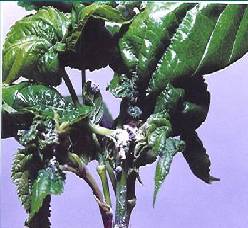
1. गुलाबी मीलीबग (टुकरा) — (मेकोनोलिकोकस हिरसुटुस)


लक्षण और क्षति
- टुकरा का कारण बनता है — गुच्छेदार शीर्ष, पत्ती का मोटा होना, झुर्रियाँ पड़ना और पत्ती की उपज में कमी।
- गर्मी के महीनों में गंभीर।
प्रबंधन
- सांस्कृतिक: संक्रमित टहनियों को काटें और जलाकर नष्ट करें।
- जैविक: परभक्षी लेडीबर्ड भृंग (जैसे, क्रिप्टोलेमस मोंट्रोउज़िएरी, साइमनस कोक्सीवोरा) छोड़ें।
- रासायनिक: 0.2% डीडीवीपी का छिड़काव करें (जब रेशम के कीड़े भोजन कर रहे हों तो बचें)।
- पत्ती की कटाई से पहले सुरक्षा अवधि का पालन करें।
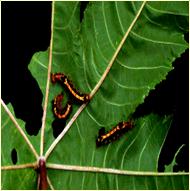
2. बिहार हेयर कैटरपिलर — (स्पिलार्क्टिया ओब्लिकुआ)


लक्षण और क्षति
- छोटे लार्वा पत्तियों पर गुच्छों में रहते हैं और उन्हें कंकाल बनाते हैं; बड़े लार्वा तेजी से खाते हैं।
- मानसून के मौसम में भारी पत्तीझड़ हो सकता है।
प्रबंधन
- अंडे के गुच्छों और लार्वा को हटा दें और नष्ट कर दें।
- साप्ताहिक रूप से ट्राइकोग्रामा चिलोनिस (ट्राइको कार्ड) छोड़ें।
- 0.15% डीडीवीपी का छिड़काव करें (सुरक्षा प्रोटोकॉल का पालन करते हुए)।
3. कटवर्म — (स्पोडोप्टेरा लिटुरा)
लक्षण और क्षति
- युवा टहनियों पर हमला करता है, उन्हें मिट्टी के स्तर पर काट देता है।
- पत्तियों पर भी खाता है।
प्रबंधन
- अंडे के गुच्छों और कैटरपिलर को हाथ से उठाएँ।
- जनसंख्या को उजागर करने और कम करने के लिए जुताई करें।
- पुरुषों को पकड़ने और प्रजनन चक्र को तोड़ने के लिए फेरोमोन जाल (स्पोडोलूर) का उपयोग करें।
- अनुशंसित समय पर लक्षित कीटनाशक स्प्रे।
4. पंखहीन टिड्डा — ( निओर्थेक्रिस एक्यूटिसेप्स नीलगिरीेंसिस )
लक्षण और क्षति
- निम्फ और वयस्क पत्तियों और कलियों पर खाते हैं; पत्तियों को नुकसान पहुँचाते हैं।
प्रबंधन
- वैकल्पिक मेजबान पौधों और खरपतवारों को हटा दें।
- अधिक संक्रमण के दौरान 0.076% डीडीवीपी का छिड़काव करें।
अन्य कीट: पत्ती जालीदार कीट, थ्रिप्स, सर्पिल सफेद मक्खी, स्केल कीट, जड़/तने के बोरर, दीमक, और सफेद ग्रब भी शहतूत पर हमला करते हैं, हालांकि आमतौर पर कम घटना पर।
शहतूत के प्रमुख रोग और उनका प्रबंधन
शहतूत के अधिकांश रोग फंगल प्रकृति के होते हैं, हालांकि कुछ जीवाणु और वायरल रोग भी हो सकते हैं।
1. पाउडरी मिल्ड्यू — ( फिलाक्टिनिया कोरीलिया )


लक्षण
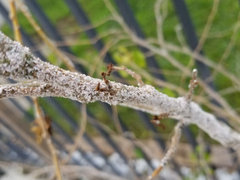
- पत्ती के निचले हिस्से पर सफेद पाउडर जैसे धब्बे; ऊपरी सतह क्लोरोटिक और चमड़े जैसी हो जाती है।
- बरसात और ठंडे मौसम में आक्रामक।
प्रबंधन
- रोगग्रस्त पत्तियों को हटा दें और नष्ट कर दें।
- पर्याप्त मिट्टी की नमी और कार्बनिक पदार्थ बनाए रखें।
- आवश्यकता पड़ने पर 0.1% कार्बेन्डाज़िम या 0.2% सल्फर का छिड़काव करें।
- छिड़काव के तुरंत बाद ऊपरी सिंचाई से बचें।
2. पत्ती धब्बा — (सर्कोस्पोरा मोरिकोला)
लक्षण
- भूरे, अनियमित धब्बे जो मिल सकते हैं, जिससे पत्तियाँ पीली होकर गिर जाती हैं।
- नम परिस्थितियों में अनुकूल।
प्रबंधन
- अनुशंसित सांद्रता पर कार्बेन्डाज़िम/बाविस्टिन का छिड़काव करें।
- स्वच्छता का अभ्यास करें — संक्रमित पत्तियों को हटा दें और जला दें।
3. पत्ती रस्ट — (सेरोटेलियम फिक्की)
लक्षण
- पत्ती के निचले हिस्से पर छोटे भूरे/काले फफोले और पीलापन।
- गंभीर मामलों में पत्तीझड़।
प्रबंधन
- लेबल निर्देशों के अनुसार कॉपर ऑक्सीक्लोराइड या ब्लिटॉक्स का छिड़काव करें।
- कड़ी स्वच्छता पद्धतियां इनोकुलम को कम करने में मदद करती हैं।
4. जड़ सड़न — (मैक्रोफोमिना फ़ेसेओलिना)
लक्षण
- अचानक मुरझाना और पीलापन; जड़ें सड़कर काली हो जाती हैं।
- पौधे आसानी से उखड़ जाते हैं।
प्रबंधन
- रोगमुक्त रोपण सामग्री का उपयोग करें।
- मिट्टी में नीम केक का उपयोग मिट्टी के स्वास्थ्य को बढ़ाता है और रोगजनकों को दबाता है।
- कुछ एकीकृत जैव-कीटनाशक फॉर्मूलेशन जड़ क्षेत्रों के पास लगाए जाने पर प्रभावशीलता दिखाते हैं।
- गंभीर रूप से प्रभावित पौधों की छंटाई करें और उन्हें जला दें।
शहतूत IPDM के प्रभावी प्रबंधन के सिद्धांत
शहतूत की फसलों को स्थायी रूप से बचाने के लिए:
1. नियमित निगरानी
साप्ताहिक निरीक्षण से कीटों के प्रकोप का शीघ्र पता लगाने में मदद मिलती है, जिससे नियंत्रण आसान और कम खर्चीला हो जाता है।
2. सांस्कृतिक स्वच्छता
- रोगग्रस्त पौधों के हिस्सों को हटा दें।
- खरपतवार मुक्त बगीचे बनाए रखें।
- अच्छे वायु प्रवाह के लिए उचित पौधों की दूरी से आर्द्रता संबंधी रोग कम होते हैं।
- उच्च आर्द्रता के दौरान बार-बार ऊपरी सिंचाई से बचें।
3. जैविक नियंत्रण
प्राकृतिक शत्रुओं का उपयोग करें जैसे:
- कैटरपिलर के लिए ट्राइकोग्रामा परजीवी
- मीलीबग के लिए शिकारी भृंग
- सूक्ष्मजीव एजेंट (जैसे, ट्राइकोडर्मा, बैसिलस एसपीपी.)।
इससे रासायनिक निर्भरता कम होती है और रेशमकीटों की सुरक्षा होती है।
4. रासायनिक का उचित उपयोग
कीटनाशकों का उपयोग केवल तभी करें जब आवश्यक हो और अनुशंसित खुराक और सुरक्षित कटाई अंतराल का पालन करें जो रेशमकीटों को खिलाने के लिए पत्तियों का उपयोग करने पर महत्वपूर्ण है।
निष्कर्ष
शहतूत की खेती गुणवत्तापूर्ण रेशम उत्पादन की रीढ़ है। जबकि मीलीबग, बालों वाली इल्लियां और कटवर्म जैसे कीट, और पाउडरी मिल्ड्यू, लीफ रस्ट और रूट रॉट जैसे रोग पत्ती की उपज को काफी कम कर सकते हैं, उनकी समय पर पहचान और एकीकृत प्रबंधन स्वस्थ फसलों और उच्च उत्पादकता सुनिश्चित करता है।
सांस्कृतिक पद्धतियों, जैविक नियंत्रण और सावधानीपूर्वक रासायनिक उपयोग के संयोजन से, किसान मजबूत शहतूत के बगीचों को बनाए रख सकते हैं और टिकाऊ रेशम उत्पादन का समर्थन कर सकते हैं।