
सोयाबीन के प्रमुख कीट एवं रोग तथा उनका प्रबंधन

जोड़ना

परिचय
सोयाबीन (ग्लाइसिन मैक्स एल.) दुनिया भर में उगाए जाने वाले सबसे महत्वपूर्ण तिलहन और प्रोटीन फसलों में से एक है। यह खाद्य सुरक्षा, पशुधन चारा और औद्योगिक उत्पादन में महत्वपूर्ण भूमिका निभाता है। हालांकि, सोयाबीन की उत्पादकता अक्सर विभिन्न कीटों और बीमारियों से प्रभावित होती है जो फसल पर विकास के विभिन्न चरणों में हमला करते हैं।
उपज की रक्षा, फसल की गुणवत्ता बनाए रखने और लाभदायक खेती सुनिश्चित करने के लिए प्रभावी सोयाबीन कीट और रोग प्रबंधन आवश्यक है।
उचित कीट और रोग प्रबंधन प्रथाएं किसानों को फसल के नुकसान को कम करने, उत्पादकता में सुधार करने और टिकाऊ कृषि प्रणालियों को बनाए रखने में मदद करती हैं।
सोयाबीन की खेती का महत्व
वैश्विक महत्व
सोयाबीन की खेती संयुक्त राज्य अमेरिका, ब्राजील, अर्जेंटीना, चीन और भारत जैसे देशों में व्यापक रूप से की जाती है। यह विश्व स्तर पर वनस्पति तेल और पौधे-आधारित प्रोटीन के सबसे बड़े स्रोतों में से एक है। सोयाबीन कृषि अर्थव्यवस्था में महत्वपूर्ण योगदान देता है और खाद्य प्रसंस्करण, पशुधन चारा उत्पादन और बायोडीजल निर्माण जैसे उद्योगों का समर्थन करता है।
भारत में सोयाबीन का महत्व
भारत में, सोयाबीन मुख्य रूप से इन राज्यों में उगाया जाता है:
- मध्य प्रदेश
- महाराष्ट्र
- राजस्थान
- कर्नाटक
- तेलंगाना
- आंध्र प्रदेश
भारत एशिया में सोयाबीन के सबसे बड़े उत्पादकों में से एक है। यह फसल किसानों की आय बढ़ाने और खाद्य तेल और प्रोटीन युक्त खाद्य उत्पादों की बढ़ती मांग को पूरा करने में महत्वपूर्ण भूमिका निभाती है।
सोयाबीन का पोषण और आर्थिक महत्व
सोयाबीन को अक्सर इसके उच्च पोषण मूल्य के कारण “गोल्डन बीन” कहा जाता है।
पोषण मूल्य
सोयाबीन के बीजों में होते हैं:
- प्रोटीन: 38–42%
- तेल: 18–20%
- कार्बोहाइड्रेट: 30%
- विटामिन और खनिजों से भरपूर
सोयाबीन उत्पादों में शामिल हैं:
- सोया तेल
- सोया दूध
- टोफू
- सोया आटा
- पशु चारा
आर्थिक महत्व
- खाद्य तेल का प्रमुख स्रोत
- मुर्गी और मवेशी चारे में मुख्य घटक
- खाद्य उद्योगों में उपयोग किया जाता है
- कई देशों के लिए निर्यात वस्तु
सोयाबीन में कीट और रोग प्रबंधन की आवश्यकता
सोयाबीन की फसलें कई कीटों और बीमारियों के प्रति संवेदनशील होती हैं जो गंभीर उपज हानि का कारण बन सकती हैं।
कीटों और बीमारियों से होने वाली प्रमुख समस्याएं
- पौधे के विकास में कमी
- पत्ती का नुकसान और पर्णपाती
- फूल और फली का झड़ना
- खराब बीज निर्माण
- उपज में 30-70% तक की कमी
इसलिए, टिकाऊ फसल उत्पादन के लिए एकीकृत सोयाबीन कीट और रोग प्रबंधन प्रथाओं को अपनाना आवश्यक है।
सोयाबीन के प्रमुख कीट
1. तना मक्खी
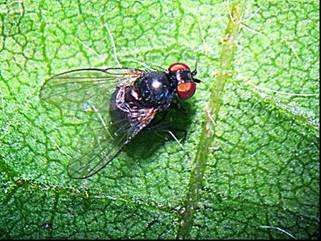
वैज्ञानिक नाम: मेलानग्रोम्य्ज़ा सोजे
पहचान
- छोटे काले रंग की मक्खियाँ
- लार्वा हल्के पीले मैगॉट्स होते हैं
क्षति के लक्षण
- मैगॉट्स तने में छेद करते हैं
- तने के ऊतकों के अंदर सुरंग बनाना
- पौधों का मुरझाना और सूखना
- पौधों की शक्ति में कमी
अनुकूल परिस्थितियाँ
- गर्म और आर्द्र मौसम
- फसल के शुरुआती चरण
प्रबंधन
सांस्कृतिक नियंत्रण
- जल्दी बुवाई
- प्रतिरोधी किस्मों का उपयोग
- फसल चक्र
जैविक नियंत्रण
- प्राकृतिक शिकारियों और परजीवियों का संरक्षण
रासायनिक नियंत्रण
- इमिडाक्लोप्रिड जैसे कीटनाशकों से बीज उपचार
2. गर्डल बीटल

वैज्ञानिक नाम: ओबेरिया ब्रेविस
पहचान
- लंबे एंटीना वाला पतला बीटल
- लार्वा हल्के सफेद होते हैं
क्षति के लक्षण
- बीटल तने को गर्डल करते हैं
- तना टूट जाता है और सूख जाता है
- पौधों का गिरना
अनुकूल परिस्थितियाँ
- गर्म जलवायु परिस्थितियाँ
प्रबंधन
- प्रभावित पौधों को हटाकर नष्ट करें
- समय पर बुवाई
- संक्रमण गंभीर होने पर उपयुक्त कीटनाशकों का छिड़काव करें
3. तंबाकू इल्ली
वैज्ञानिक नाम: स्पोडोप्टेरा लिटुरा
पहचान
- धारियों वाली गहरे हरे रंग की इल्ली
- वयस्क कीट गुच्छों में अंडे देता है
क्षति के लक्षण
- पत्तियों पर भारी भोजन
- पत्तियों का कंकाल बनाना
- गंभीर पर्णपाती
अनुकूल परिस्थितियाँ
- उच्च आर्द्रता और गर्म तापमान
प्रबंधन
सांस्कृतिक अभ्यास
- गहरी गर्मी की जुताई
- अंडे के गुच्छों का विनाश
जैविक नियंत्रण
- ट्राइकोग्रामा परजीवियों का विमोचन
- एनपीवी (न्यूक्लियर पॉलीहेड्रोसिस वायरस) का उपयोग
रासायनिक नियंत्रण
- जब संक्रमण आर्थिक सीमा पार कर जाए तो अनुशंसित कीटनाशकों का छिड़काव करें
4. हरा अर्द्ध-लूपर
वैज्ञानिक नाम: क्राइसोडिक्सिस एकुटा
पहचान
- हरे रंग की इल्ली जो लूपिंग गति करती है
क्षति के लक्षण
- पत्तियों पर भोजन
- पर्णसमूह में अनियमित छेद
- गंभीर पर्णपाती
प्रबंधन
- लार्वा को हाथ से चुनना
- प्राकृतिक शत्रुओं को प्रोत्साहित करें
- आवश्यकता पड़ने पर अनुशंसित कीटनाशकों का उपयोग करें
5. सफेद मक्खी

वैज्ञानिक नाम: बेमिसिया तबासी
पहचान
- पत्ती के नीचे पाए जाने वाले छोटे सफेद कीट
क्षति के लक्षण
- रस चूसना
- पत्तियों का पीला पड़ना
- वायरल रोगों का संचरण
अनुकूल परिस्थितियाँ
- शुष्क और गर्म जलवायु
प्रबंधन
- पीले चिपचिपे जाल का उपयोग करें
- उचित दूरी बनाए रखें
- यदि आबादी बढ़ती है तो अनुशंसित कीटनाशकों का छिड़काव करें

Dr. Eliminator खरीदें: https://www.khethari.com/products/dr-eliminator-insecticide?_pos=1&_sid=ed1ea73fb&_ss=r
6. एफिड्स

वैज्ञानिक नाम: एफिस ग्लाइसिन्स
पहचान
- छोटे मुलायम शरीर वाले हरे कीट
क्षति के लक्षण
- पत्तियों और तनों से रस चूसना
- पत्तियों का मुड़ना और पीला पड़ना
- हनीड्यू स्राव जिससे सूटी मोल्ड होता है
प्रबंधन
- लेडीबर्ड बीटल जैसे प्राकृतिक शिकारियों को प्रोत्साहित करें
- नीम-आधारित कीटनाशकों का उपयोग करें
- आवश्यकता पड़ने पर कीटनाशकों का प्रयोग करें
7. बालों वाली इल्ली
वैज्ञानिक नाम: स्पिलार्क्टिया ओब्लिक्वा
पहचान
- भूरे शरीर वाली बालों वाली इल्लियां
क्षति के लक्षण
- समूहों में पत्तियों पर भोजन
- शुरुआती चरणों में गंभीर पर्णपाती
प्रबंधन
- लार्वा को इकट्ठा करके नष्ट करें
- प्रकाश जाल का उपयोग करें
- अनुशंसित कीटनाशकों का छिड़काव करें

लार्वेक्स खरीदें: https://www.khethari.com/products/larvex-insecticide?_pos=1&_sid=31234612a&_ss=r
सोयाबीन के प्रमुख रोग
1. सोयाबीन रस्ट

रोगजनक जीव: फकोस्पोरा पैकीराइज़ी (कवक)
लक्षण
- पत्तियों पर छोटे भूरे रंग के फफोले
- पत्तियों का पीला पड़ना और समय से पहले झड़ना
अनुकूल परिस्थितियाँ
- उच्च आर्द्रता
- मध्यम तापमान
प्रबंधन
- प्रतिरोधी किस्में उगाएं
- शुरुआती चरणों में फफूंदनाशकों का प्रयोग करें
2. एन्थ्रेक्नोज
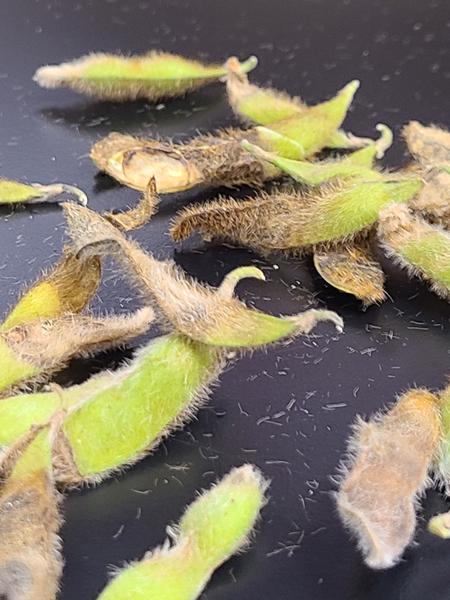
कारक जीव: कोलेटोट्रिचम ट्रंकटम
लक्षण
- तनों और फलियों पर गहरे घाव
- बीज का रंग खराब होना
अनुकूल स्थितियाँ
- गर्म और आर्द्र स्थितियाँ
प्रबंधन
- रोग-मुक्त बीजों का उपयोग करें
- फसल चक्र
- फफूंदनाशक का छिड़काव
3. बैक्टीरियल पस्ट्यूल
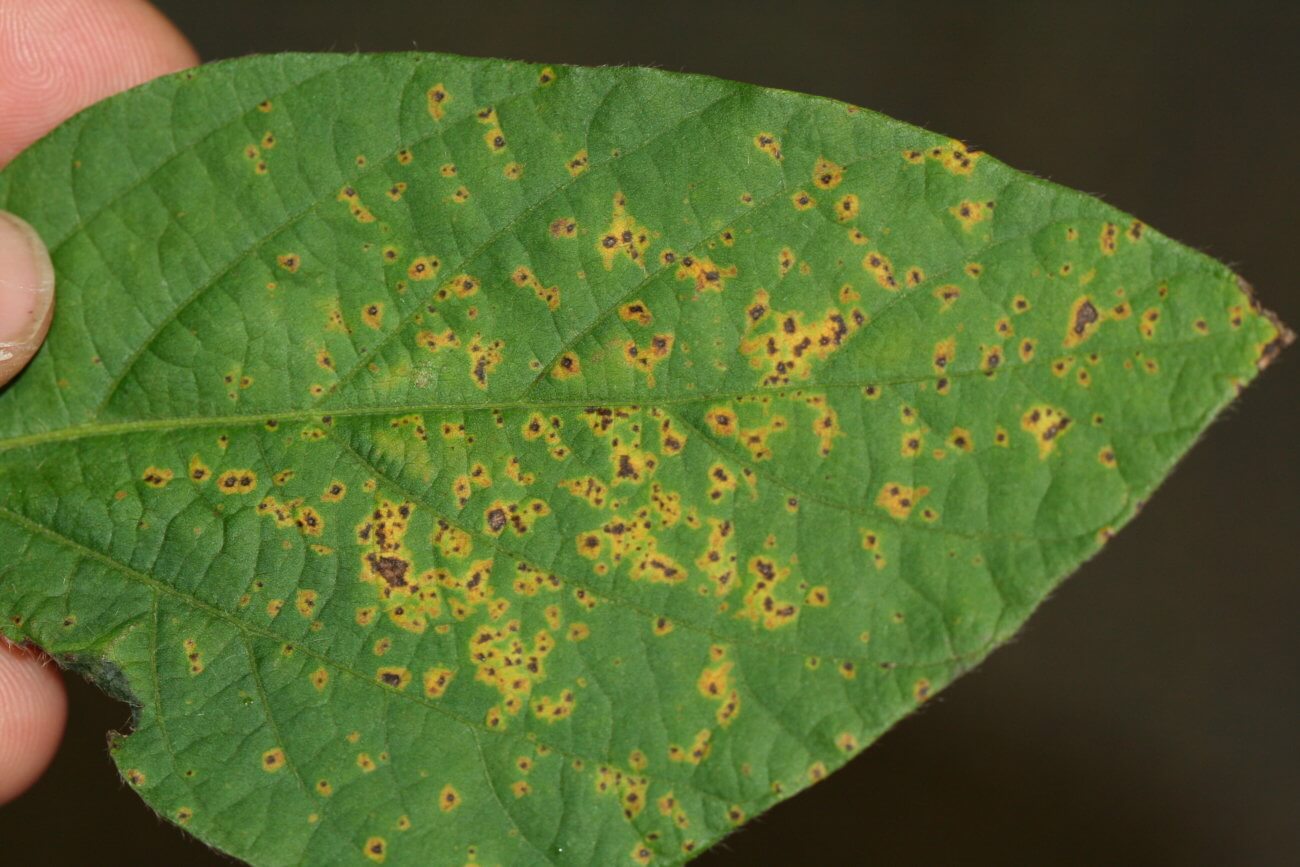
कारक जीव: ज़ैंथोमोनास एक्सोनोपोडिस पीवी. ग्लाइसीन
लक्षण
- पत्तियों पर छोटे उभरे हुए फुंसी
- घावों के चारों ओर पीले घेरे
अनुकूल स्थितियाँ
- गर्म और नम मौसम
प्रबंधन
- प्रतिरोधी किस्मों का उपयोग करें
- ओवरहेड सिंचाई से बचें
- बीजोपचार
4. फ्रॉग आई लीफ स्पॉट
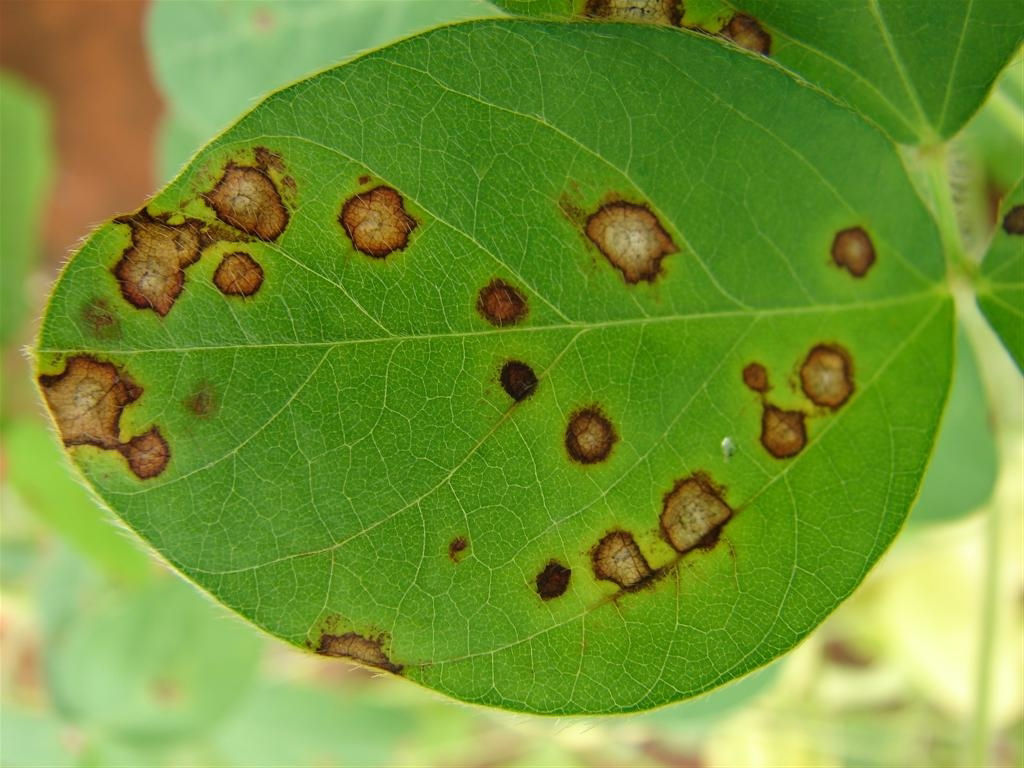
कारक जीव: सर्कोस्पोरा सोजिना
लक्षण
- ग्रे केंद्र वाले गोलाकार धब्बे
- पत्तियों पर बैंगनी किनारे
अनुकूल स्थितियाँ
- गर्म और आर्द्र मौसम
प्रबंधन
- फसल चक्र
- प्रतिरोधी किस्में
- फफूंदनाशक का उपयोग
5. चारकोल सड़न
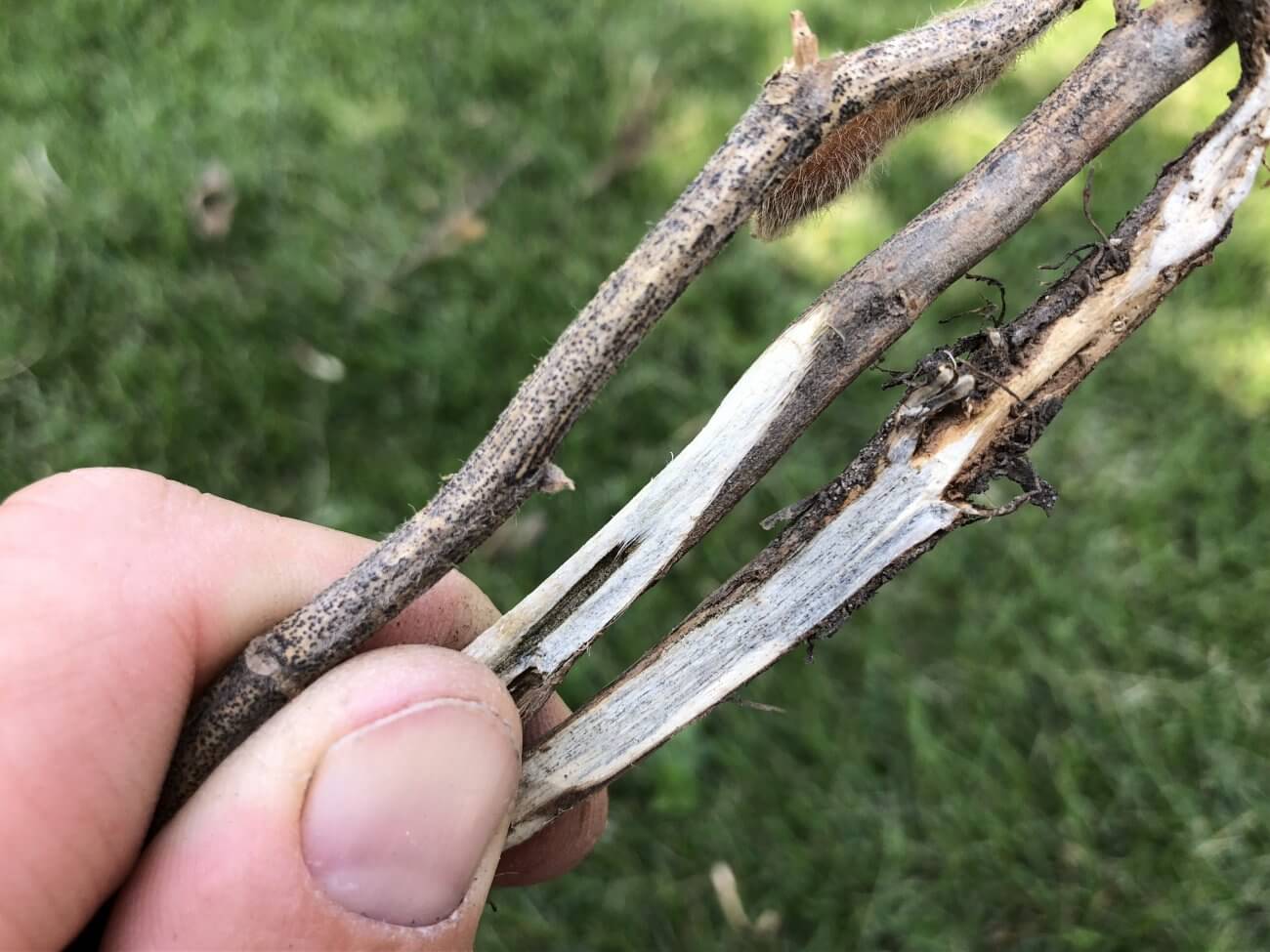
कारक जीव: मैक्रोफोमिना फ़ेज़ोलिना
लक्षण
- जड़ सड़न और तने का मलिनकिरण
- गर्म मौसम में पौधे का मुरझाना
अनुकूल स्थितियाँ
- उच्च तापमान और शुष्क परिस्थितियाँ
प्रबंधन
- मिट्टी की नमी बनाए रखें
- फसल चक्र
- फफूंदनाशकों से बीजोपचार
6. राइज़ोक्टोनिया जड़ सड़न
कारक जीव: राइज़ोक्टोनिया सोलेनी
लक्षण
- पौधों का गलना
- जड़ सड़न और पौधे की मृत्यु
अनुकूल स्थितियाँ
- खराब जल निकासी वाली मिट्टी
प्रबंधन
- अच्छी जल निकासी
- फफूंदनाशकों से बीजोपचार
- फसल चक्र
7. सोयाबीन मोज़ेक वायरस
कारक जीव: सोयाबीन मोज़ेक वायरस (SMV)
लक्षण
- पत्तियों पर मोज़ेक पैटर्न
- पौधों की वृद्धि रुकना
- कम उपज
अनुकूल स्थितियाँ
- एफिड्स द्वारा फैलना
प्रबंधन
- वायरस-मुक्त बीजों का उपयोग करें
- एफिड्स को नियंत्रित करें
- संक्रमित पौधों को हटा दें
एकीकृत कीट और रोग प्रबंधन पद्धतियाँ
बीजोपचार
बीजोपचार रोपों को मिट्टी में पैदा होने वाले रोगजनकों और कीटों से बचाने में मदद करता है।
सामान्य उपचारों में शामिल हैं:
- फफूंदनाशक
- कीटनाशक
- बायोएजेंट जैसे ट्राइकोडर्मा
फसल चक्र
एक ही खेत में लगातार सोयाबीन की खेती करने से बचें। मक्का, ज्वार और गेहूं जैसी फसलों के साथ बदल-बदल कर फसल उगाएं।
- मक्का
- ज्वार
- गेहूं
यह कीटों और बीमारियों के जमाव को कम करता है।
प्रतिरोधी किस्में
प्रतिरोधी सोयाबीन किस्मों का उपयोग कीट और रोग की घटनाओं को काफी कम कर सकता है।
खेत की सफाई
- फसल के अवशेष हटाना
- संक्रमित पौधों के हिस्सों को नष्ट करना
- खेतों को साफ-सुथरा रखना
संतुलित उर्वरक
उर्वरकों का संतुलित उपयोग पौधों के स्वास्थ्य और कीटों और बीमारियों के प्रति प्रतिरोधक क्षमता में सुधार करता है।
जैविक नियंत्रण
लाभकारी जीवों का उपयोग करें जैसे:
- ट्राइकोडर्मा
- स्यूडोमोनास फ्लोरेसेंस
- प्राकृतिक शिकारी और परजीवी
ये पर्यावरण के अनुकूल समाधान कीटों और रोगजनकों को स्वाभाविक रूप से नियंत्रित करने में मदद करते हैं।
किसानों के लिए निवारक उपाय
खेत की निगरानी
कीटों और रोगों के शुरुआती संकेतों के लिए खेतों का नियमित रूप से निरीक्षण करें।
जल्दी पता लगाना
गंभीर क्षति को रोकने के लिए शुरुआती चरणों में कीटों और रोगों की पहचान करें।
अच्छी कृषि पद्धतियाँ
- उचित बुवाई का समय
- पर्याप्त दूरी
- उचित सिंचाई प्रबंधन
- खरपतवार नियंत्रण
ये पद्धतियाँ स्वस्थ फसलों को बनाए रखने और कीटों की घटनाओं को कम करने में मदद करती हैं।
निष्कर्ष
सोयाबीन एक अत्यधिक मूल्यवान फसल है जो वैश्विक कृषि और खाद्य सुरक्षा में महत्वपूर्ण भूमिका निभाती है। हालांकि, विभिन्न कीट और रोग सोयाबीन उत्पादन के लिए गंभीर खतरा पैदा करते हैं। सांस्कृतिक पद्धतियों, जैविक नियंत्रण और रासायनिक तरीकों जैसे एकीकृत दृष्टिकोणों के माध्यम से प्रभावी सोयाबीन कीट और रोग प्रबंधन फसल की उपज और गुणवत्ता की रक्षा के लिए आवश्यक है।
समय पर कीट निगरानी, उचित कृषि पद्धतियों और एकीकृत कीट प्रबंधन रणनीतियों को अपनाकर किसान फसल के नुकसान को काफी कम कर सकते हैं और अधिक सोयाबीन उत्पादकता प्राप्त कर सकते हैं।