
मूंग के प्रमुख कीट एवं रोग और उनका एकीकृत प्रबंधन

जोड़ना

1. परिचय
मूंग (विग्ना रेडियाटा), जिसे मूंग दाल के नाम से भी जाना जाता है, भारत की सबसे महत्वपूर्ण दलहनी फसलों में से एक है। इसकी खेती खरीफ, रबी और ग्रीष्म ऋतु में विविध कृषि-जलवायु क्षेत्रों में, जिसमें वर्षा आधारित और सिंचित दोनों स्थितियाँ शामिल हैं, बड़े पैमाने पर की जाती है।
भारतीय कृषि में मूंग का महत्व
- उच्च प्रोटीन सामग्री के कारण पोषक सुरक्षा में महत्वपूर्ण भूमिका निभाता है
- जैविक नाइट्रोजन स्थिरीकरण के माध्यम से मिट्टी की उर्वरता में सुधार करता है
- कम अवधि की फसल (60-70 दिन), फसल चक्र और अंतराफसलीकरण के लिए उपयुक्त
- अनाजों की तुलना में पानी की कम आवश्यकता
- छोटे और सीमांत किसानों के लिए आय का महत्वपूर्ण स्रोत
पोषण और आर्थिक महत्व
- प्रोटीन: 22-24%
- लाइसिन, विटामिन, खनिज और आहार फाइबर से भरपूर
- दाल, अंकुरित और प्रसंस्कृत खाद्य पदार्थों के लिए उच्च बाजार मांग
- बढ़ती वैश्विक मांग के कारण निर्यात की क्षमता
कीटों और रोगों के कारण उपज का नुकसान
इसके महत्व के बावजूद, भारत में मूंग की उत्पादकता (≈ 500-600 किग्रा/हेक्टेयर) इसकी क्षमता से बहुत कम है। प्रमुख कारण हैं:
- कीटों का गंभीर संक्रमण
- वायरल और फंगल रोगों का बार-बार प्रकोप
- समय पर निदान और अनुचित कीटनाशक उपयोग की कमी
अनुमानित उपज का नुकसान:
- कीट: 30-40%
- रोग (विशेषकर YMV): गंभीर परिस्थितियों में 80% तक
इसलिए, एकीकृत कीट और रोग प्रबंधन (IPM और IDM) दृष्टिकोण अपनाना सतत और लाभदायक मूंग की खेती के लिए आवश्यक है।
2. मूंग के प्रमुख कीट
2.1 एफिड्स
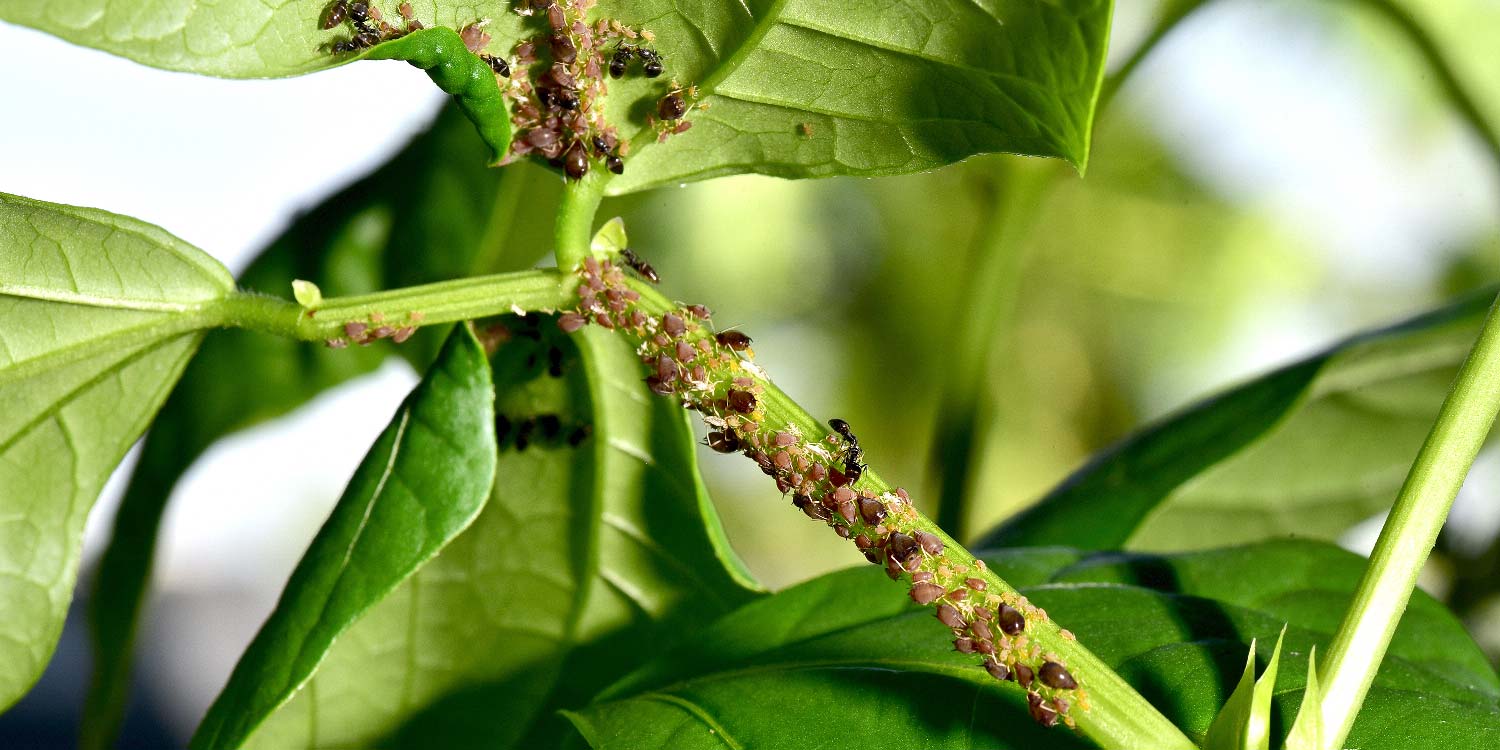
सामान्य नाम: एफिड्स
वैज्ञानिक नाम: एफिस क्रैक्कीवोरा
पहचान और क्षति के लक्षण
- कोमल अंकुरों और पत्तियों पर छोटे, मुलायम शरीर वाले, हरे से काले रंग के कीड़े
- रस चूसना → पत्तियां मुड़ जाती हैं, पीली पड़ जाती हैं, और पौधे का विकास रुक जाता है
- हनीड्यू का स्राव → कालिख फफूंदी का विकास
- वायरल रोगों के वाहक के रूप में कार्य करते हैं
अनुकूल परिस्थितियाँ
- ठंडा और शुष्क मौसम
- घनी फसल का छज्जा
- अत्यधिक नाइट्रोजन का प्रयोग
आर्थिक सीमा स्तर (ETL)
-
प्रति 10 सेमी टर्मिनल शूट पर 10-15 एफिड्स
एकीकृत प्रबंधन
सांस्कृतिक पद्धतियाँ
- अत्यधिक नाइट्रोजन से बचें
- पौधों के बीच उचित दूरी बनाए रखें
- खरपतवार मेजबानों (विशेषकर फलियां) को हटाएँ
यांत्रिक तरीके
- प्रारंभिक अवस्था: एफिड्स को हटाने के लिए तेज पानी का छिड़काव
- गंभीर रूप से संक्रमित अंकुरों को हटाना
जैविक नियंत्रण
- लेडीबर्ड भृंग (कोक्सिनेला एसपीपी.)
- लेसविंग्स (क्राइसोपर्ला कार्निया)
- नीम आधारित सूत्रीकरण
रासायनिक नियंत्रण (आवश्यकतानुसार)
- इमिडाक्लोप्रिड 17.8 SL @ 0.3 मिली/लीटर
- थियामेथोक्सम 25 WG @ 0.25 ग्राम/लीटर
- छिड़काव अंतराल: 10-14 दिन

अभी खरीदें: https://www.khethari.com/products/dr-eliminator-insecticide?_pos=1&_sid=23984f836&_ss=r
2.2 सफेद मक्खी (पीत शिरा मोजेक वायरस का वाहक)

वैज्ञानिक नाम: बेमीसिया तबासी
पहचान और क्षति के लक्षण
- पत्तियों के नीचे छोटे सफेद कीड़े
- पत्तियों का पीला पड़ना, मुड़ना, vigor में कमी
- पीत शिरा मोजेक वायरस (YMV) का संचरण
अनुकूल परिस्थितियाँ
- गर्म और शुष्क जलवायु
- लगातार दलहन की खेती
- वैकल्पिक मेजबानों की उपस्थिति
ETL
- प्रति पत्ती 5-10 वयस्क
एकीकृत प्रबंधन
सांस्कृतिक पद्धतियाँ
- समय पर बुवाई (सफेद मक्खी के चरम अवधि से बचें)
- संक्रमित पौधों को हटाना
- प्रतिरोधी किस्मों का उपयोग
यांत्रिक तरीके
- पीले चिपचिपे जाल (10-12/एकड़)
जैविक नियंत्रण
- एनकार्सिया और एरेटमोसेरस परजीवी
- नीम का तेल 0.3%
रासायनिक नियंत्रण
- इमिडाक्लोप्रिड 17.8 SL @ 0.3 मिली/लीटर
- एसिटामिप्रिड 20 SP @ 0.2 ग्राम/लीटर
⚠️ एक ही कीटनाशक समूह का बार-बार उपयोग करने से बचें
2.3 थ्रिप्स
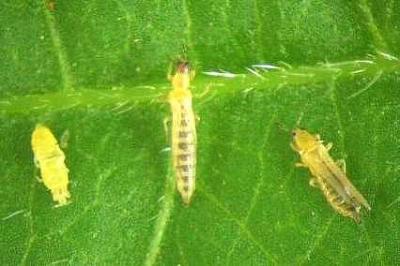
वैज्ञानिक नाम: थ्रिप्स पाल्मी
क्षति के लक्षण
- पत्तियों पर चांदी की धारियाँ
- पत्तियों का मुड़ना और सूखना
- गंभीर मामलों में फूलों का गिरना
अनुकूल परिस्थितियाँ
- गर्म और शुष्क मौसम
- नमी का तनाव
ETL
- प्रति पत्ती 5-8 थ्रिप्स
एकीकृत प्रबंधन
- समय पर सिंचाई
- नीले चिपचिपे जाल
- नीम का तेल 3 मिली/लीटर
- स्पिनोसैड 45 SC @ 0.3 मिली/लीटर
2.4 जैसिड्स (लीफहॉपर्स)
वैज्ञानिक नाम: एम्पोआस्का केरी
लक्षण
- पत्ती के किनारों पर पीलापन ("हॉपर बर्न")
- पत्तियों का नीचे की ओर मुड़ना
- प्रकाश संश्लेषण में कमी
प्रबंधन
- प्रतिरोधी किस्में
- संतुलित उर्वरक
- थियामेथोक्सम 25 WG @ 0.25 ग्राम/लीटर
2.5 स्टेम फ्लाई
वैज्ञानिक नाम: ओफियोमायिया फ़ैसीओली
क्षति के लक्षण
- मैगॉट तने में छेद करते हैं
- युवा पौधों का मुरझाना और सूखना
- सुरंग के निशान के साथ सूजे हुए तने
अनुकूल परिस्थितियाँ
- फसल की प्रारंभिक अवस्था (10-30 DAS)
एकीकृत प्रबंधन
- जल्दी बुवाई
- इमिडाक्लोप्रिड 600 FS @ 5 मिली/किग्रा बीज के साथ बीज उपचार
- नीम की खली का मृदा अनुप्रयोग
2.6 लीफ माइनर
वैज्ञानिक नाम: लिरियोमायज़ा ट्राइफोलि
लक्षण
- पत्तियों पर ज़िग-ज़ैग खदानें
- प्रकाश संश्लेषक क्षेत्र में कमी
प्रबंधन
- खनिज पत्तियों को हटाना
- नीम तेल का छिड़काव
- एबामेक्टिन 1.9 EC @ 0.5 मिली/लीटर
2.7 पॉड बोरर
वैज्ञानिक नाम: हेलिकोवर्पा आर्मीगेरा
क्षति के लक्षण
- लार्वा फूलों और फलियों पर फ़ीड करते हैं
- फली पर गोलाकार छेद
- प्रत्यक्ष उपज हानि
ETL: प्रति पौधा 1 लार्वा
एकीकृत प्रबंधन
सांस्कृतिक
- गहरी ग्रीष्मकालीन जुताई
- बाजरा या गेंदा के साथ अंतराफसलीकरण
यांत्रिक
- लार्वा को हाथ से चुनना
- फेरोमोन जाल (5/एकड़)
जैविक
- हेलिकोवर्पा NPV @ 250 LE/हेक्टेयर
- ट्राइकोडर्मा अंडा परजीवी
रासायनिक
- इमामेक्टिन बेंजोएट 5 SG @ 0.4 ग्राम/लीटर
- क्लोरेन्ट्रानिलिप्रोल 18.5 SC @ 0.3 मिली/लीटर
3. मूंग के प्रमुख रोग
3.1 पीत शिरा मोजेक वायरस (YMV)

कारण जीव: वायरस (सफेद मक्खी द्वारा फैलता है)
लक्षण
- पीले और हरे मोजेक पैच
- फूलों और फलियों के गठन में कमी
- गंभीर बौनापन
फैलने का तरीका
- सफेद मक्खी (बेमीसिया तबासी)
उपज पर प्रभाव
- 30-80%, गंभीर प्रकोप से पूरी फसल बर्बाद हो सकती है
एकीकृत रोग प्रबंधन
प्रतिरोधी किस्में
-
IPM 02-3, SML 668, PDM 139
सांस्कृतिक
- जल्दी बुवाई
- संक्रमित पौधों को हटाना
- खरपतवार नियंत्रण
रासायनिक (वेक्टर नियंत्रण)
- इमिडाक्लोप्रिड 17.8 एसएल @ 0.3 मिली/लीटर
3.2 सर्कोस्पोरा पत्ती धब्बा

कारक जीव: सर्कोस्पोरा कैनेसेन्स
लक्षण
- पीले घेरे के साथ गोलाकार भूरे धब्बे
- गंभीर संक्रमण में पत्तियां झड़ना
अनुकूल परिस्थितियाँ
- उच्च आर्द्रता और मध्यम तापमान
प्रबंधन
- कार्बेन्डाजिम से बीज उपचार @ 2 ग्राम/किग्रा बीज
- मैनकोजेब 75 डब्ल्यू पी @ 2.5 ग्राम/लीटर
3.3 चूर्णिल आसिता

कारक जीव: एरीसाइफ पॉलीगोनी
लक्षण
- पत्तियों पर सफेद चूर्ण जैसा विकास
- असामयिक पत्ती का गिरना
प्रबंधन
- प्रतिरोधी किस्में
- घुलनशील सल्फर @ 2 ग्राम/लीटर
- हेक्साकोनाज़ोल 5 ईसी @ 1 मिली/लीटर
3.4 जड़ गलन और कॉलर रॉट
कारक जीव: राइजोक्टोनिया सोलानी, मैक्रोफोमिना फ़ेसेओलिना
लक्षण
- पौधों की मृत्यु
- कॉलर क्षेत्र में काले घाव
प्रबंधन
- बीज उपचार ट्राइकोडर्मा विरिडे @ 4 ग्राम/किग्रा बीज
- जलजमाव से बचें
- फसल चक्र
3.5 एन्थ्रेक्नोज

कारक जीव: कॉलिटोट्राइकम लिंडमुथियानम
लक्षण
- तने और फलियों पर गहरे धंसे हुए घाव
- खराब बीज गुणवत्ता
प्रबंधन
- रोग मुक्त बीज
- कार्बेन्डाजिम + मैनकोजेब @ 2 ग्राम/लीटर
3.6 पत्ती सिकुड़न रोग

कारण: वायरस
लक्षण
- सिकुड़ी हुई, विकृत पत्तियां
- झाड़ीदार वृद्धि और बांझपन
प्रबंधन
- संक्रमित पौधों को हटा दें
- वाहकों (एफिड्स) को नियंत्रित करें
- स्वस्थ बीज का उपयोग करें
4. निवारक उपाय और सर्वोत्तम कृषि पद्धतियाँ
- प्रमाणित रोग मुक्त बीज का उपयोग करें
- बीज उपचार अनिवार्य है
- अनाज के साथ फसल चक्र
- समय पर बुवाई (देर से खरीफ बुवाई से बचें)
- अनुशंसित दूरी (30 × 10 सेमी)
- संतुलित उर्वरक अनुप्रयोग (अतिरिक्त नाइट्रोजन से बचें)
5. जैविक और पर्यावरण-अनुकूल प्रबंधन विकल्प
- नीम का तेल (0.3%)
- नीम बीज गिरी का अर्क (एनएसकेई 5%)
- ट्राइकोडर्मा, स्यूडोमोनास फ्लोरेसेंस
- गोमूत्र-आधारित वानस्पतिक स्प्रे
- प्राकृतिक शत्रुओं का संरक्षण
6. चरण-वार स्प्रे अनुसूची (संकेतक)
| फसल का चरण | समस्या | सिफारिश |
|---|---|---|
| बीज का चरण | मृदा जनित रोग | ट्राइकोडर्मा बीज उपचार |
| 15-20 DAS | एफिड, सफेद मक्खी | नीम का तेल / इमिडाक्लोप्रिड |
| 30-35 DAS | थ्रिप्स, पत्ती सुरंगक कीट | स्पिनोसाड / एबामेक्टिन |
| पुष्पन | फली छेदक | इमेमेक्टिन बेंजोएट |
| रोग की शुरुआत | पत्ती धब्बे | मैनकोजेब |
7. निष्कर्ष
मूंग एक अत्यधिक लाभकारी दलहनी फसल है, लेकिन इसकी सफलता कीटों और बीमारियों के शीघ्र निदान और एकीकृत प्रबंधन दृष्टिकोण को अपनाने पर बहुत निर्भर करती है। रसायनों पर अत्यधिक निर्भरता न केवल लागत बढ़ाती है बल्कि प्रतिरोध और पारिस्थितिक असंतुलन भी पैदा करती है।
किसानों के लिए मुख्य सलाह
- खेतों की नियमित निगरानी करें
- आईपीएम और आईडीएम सिद्धांतों का पालन करें
- रसायनों का उपयोग तभी करें जब ईटीएल पार हो जाए
- पर्यावरण-अनुकूल और जैविक विकल्पों को प्राथमिकता दें
- आवश्यकता पड़ने पर कृषि अधिकारियों से मार्गदर्शन लें
वैज्ञानिक रूप से सिद्ध, एकीकृत प्रथाओं को अपनाकर, किसान उच्च उपज, बेहतर गुणवत्ता वाले उत्पाद और टिकाऊ मूंग की खेती प्राप्त कर सकते हैं।