

Top 10 High Profitable Crops in India
 Share
Share

Introduction
Agriculture in India is no longer just about subsistence—it is increasingly becoming a business-driven activity. With rising input costs, climate uncertainties, and changing market demand, choosing the right crop has become one of the most critical decisions for farmers, agripreneurs, and agriculture students.
Selecting high profitable crops in India can significantly improve farm income, reduce risks, and ensure long-term sustainability. Today, many farmers are shifting from traditional crops to high-value, market-driven crops that offer better returns per acre.
In this article, we will explore the top 10 high profitable crops in India, along with their investment needs, profitability, and practical insights.
1. Saffron (Kesar)
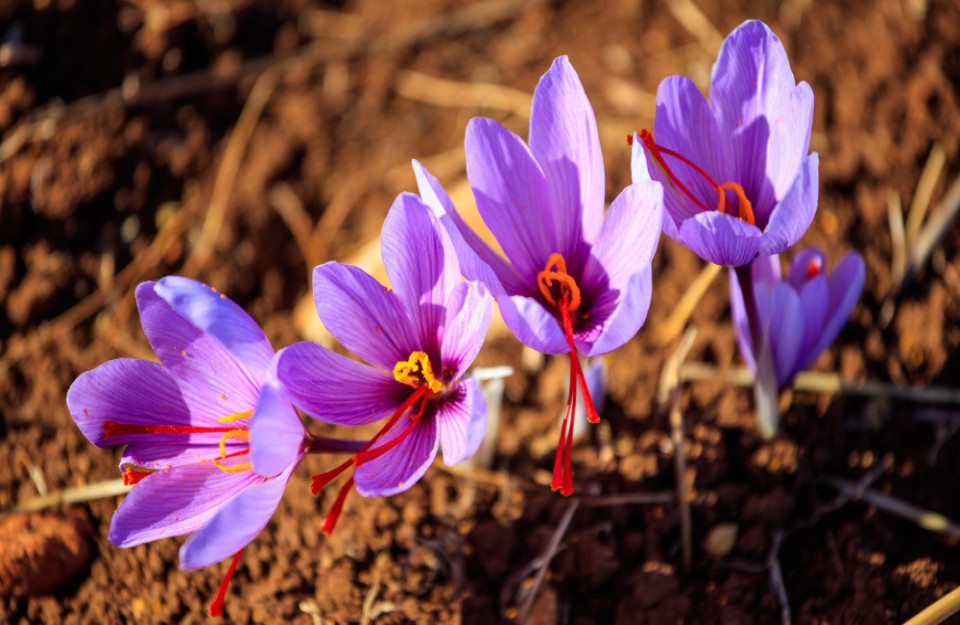
Climate & Soil:
- Cold climate (Jammu & Kashmir, Himachal Pradesh)
- Well-drained sandy or loamy soil
Investment: High
Profit Potential: Very High (₹8–15 lakh per acre annually under ideal conditions)
Market Demand:
- Used in food, cosmetics, medicines, and exports
Key Benefits:
- One of the most expensive spices in the world
- High export demand
Challenges:
- Requires specific climatic conditions
- Labor-intensive harvesting
2. Mushroom Farming
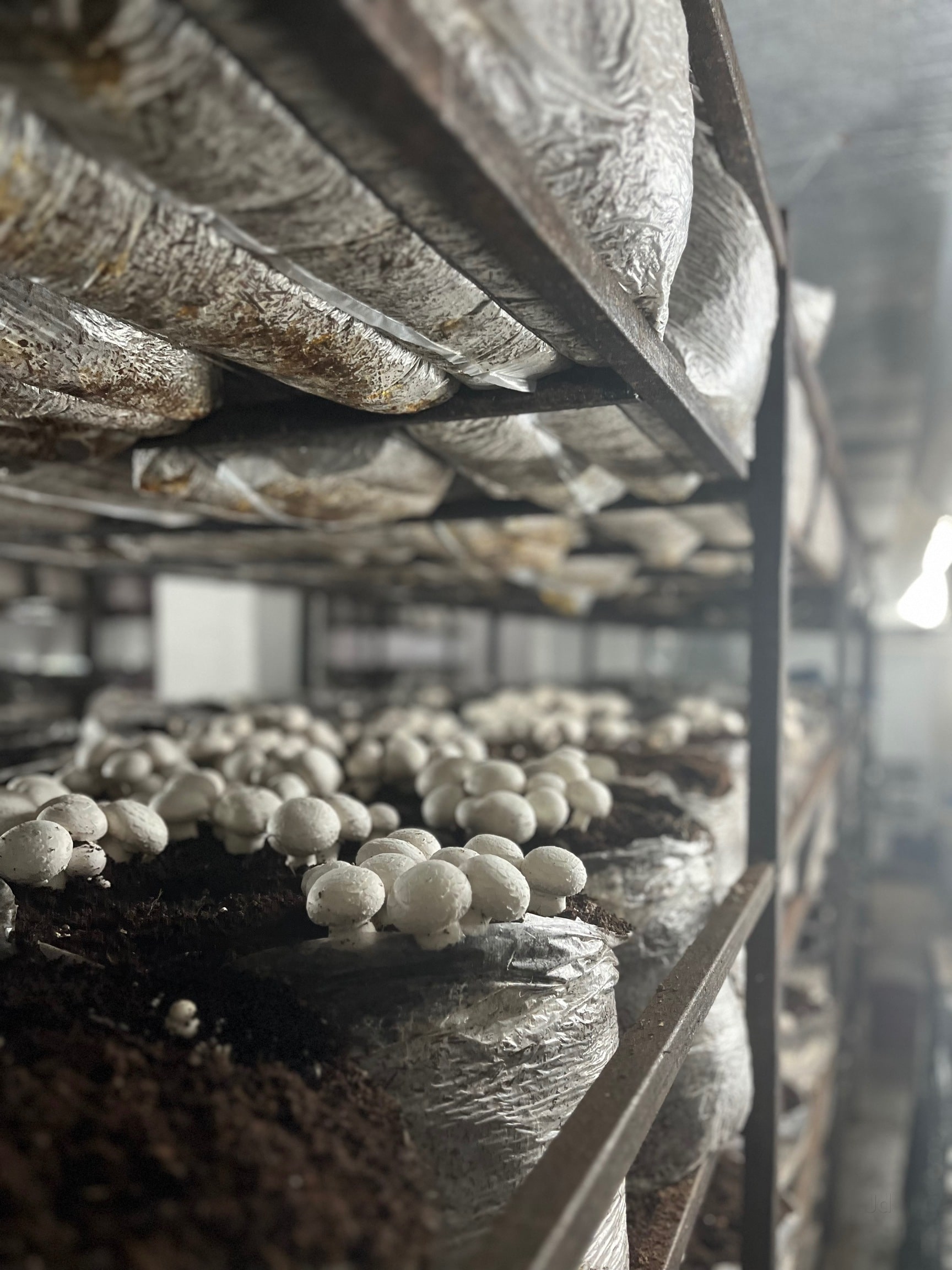
Climate & Soil:
- Controlled environment (indoor farming)
- No soil required
Investment: Medium
Profit Potential: High (₹3–6 lakh per year from small unit)
Market Demand:
- Growing demand in urban areas, hotels, and supermarkets
Key Benefits:
- Requires less land
- Quick returns (within 30–45 days)
Challenges:
- Requires technical knowledge
- Sensitive to contamination

3. Aloe Vera
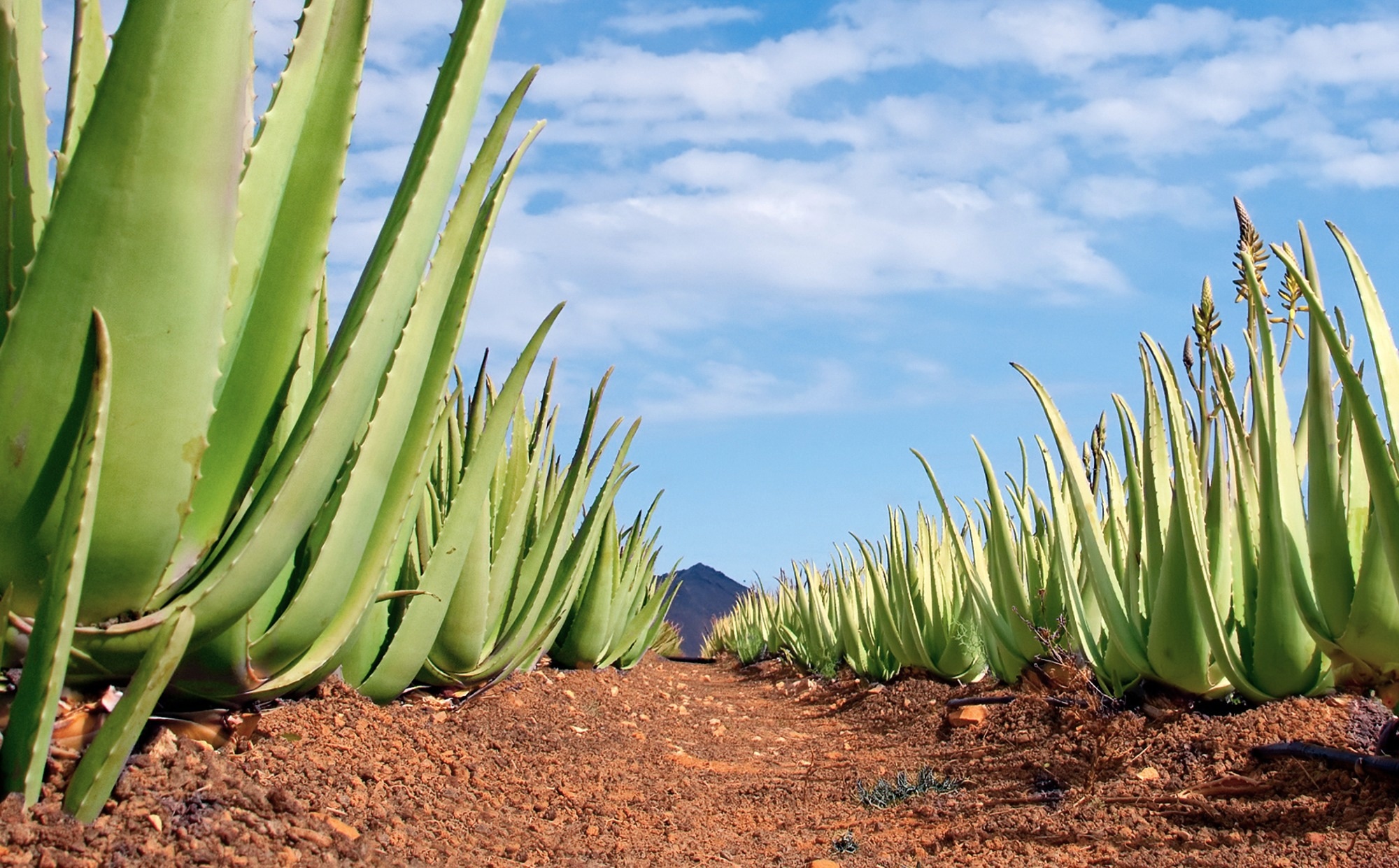
Climate & Soil:
- Tropical and semi-arid climates
- Sandy, well-drained soil
Investment: Low
Profit Potential: Medium to High
Market Demand:
- Used in cosmetics, herbal medicines, and health drinks
Key Benefits:
- Low maintenance crop
- Drought resistant
Challenges:
- Price fluctuations
- Requires proper market linkage
4. Bamboo

Climate & Soil:
- Tropical to subtropical regions
- Well-drained loamy soil
Investment: Medium
Profit Potential: High (long-term income)
Market Demand:
- Construction, furniture, paper industry
Key Benefits:
- Fast-growing plant
- Government support available
Challenges:
- Takes 3–4 years for full returns
- Initial patience required
5. Banana

Climate & Soil:
- Warm and humid climate
- Fertile loamy soil
Investment: Medium to High
Profit Potential: High (₹2–4 lakh per acre)
Market Demand:
- High domestic and export demand
Key Benefits:
- Year-round demand
- Suitable for drip irrigation
Challenges:
- Pest and disease issues
- High water requirement
6. Papaya
Climate & Soil:
- Tropical climate
- Well-drained soil
Investment: Medium
Profit Potential: High
Market Demand:
- Used as fruit and for papain extraction
Key Benefits:
- Fast-growing (returns within 8–10 months)
- High yield per acre
Challenges:
- Sensitive to waterlogging
- Virus diseases
7. Garlic
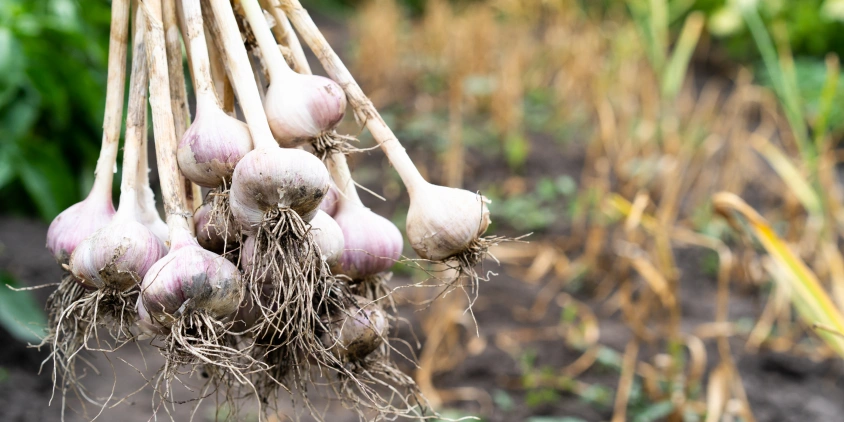
Climate & Soil:
- Cool climate during growth
- Loamy soil
Investment: Medium
Profit Potential: High
Market Demand:
- Strong demand in food and medicinal industries
Key Benefits:
- Long storage life
- High price during off-season
Challenges:
- Price volatility
- Requires proper storage
8. Turmeric

Climate & Soil:
- Warm and humid climate
- Well-drained fertile soil
Investment: Medium
Profit Potential: High
Market Demand:
- Spices, medicines, cosmetics
Key Benefits:
- High export potential
- Value addition possible
Challenges:
- Long crop duration (7–9 months)
- Requires processing
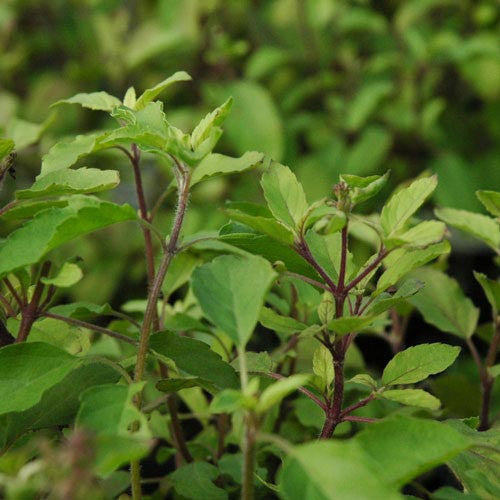
9. Medicinal Plants (Ashwagandha, Tulsi)
Climate & Soil:
- Suitable for dry and semi-arid regions
- Well-drained soil
Investment: Low to Medium
Profit Potential: High
Market Demand:
- Ayurveda, pharma, herbal products
Key Benefits:
- Increasing global demand
- Less water requirement
Challenges:
- Requires contract farming or assured buyers
10. Floriculture (Rose, Marigold)

Climate & Soil:
- Moderate climate
- Well-drained soil
Investment: Medium to High
Profit Potential: Very High
Market Demand:
- Weddings, festivals, decoration, export
Key Benefits:
- Daily income possible
- High demand during festivals
Challenges:
- Perishable product
- Requires proper storage and transport
Comparison Table of High Profitable Crops in India
| Crop | Investment | Profit Potential | Duration |
|---|---|---|---|
| Saffron | High | Very High | 6–8 months |
| Mushroom | Medium | High | 1–2 months |
| Aloe Vera | Low | Medium | 8–12 months |
| Bamboo | Medium | High | 3–4 years |
| Banana | Medium | High | 10–12 months |
| Papaya | Medium | High | 8–10 months |
| Garlic | Medium | High | 5–6 months |
| Turmeric | Medium | High | 7–9 months |
| Medicinal Plants | Low-Med | High | 6–12 months |
| Floriculture | Medium | Very High | 3–6 months |
Tips to Increase Profitability in Farming
- Choose market-oriented crops rather than traditional crops
- Adopt drip irrigation and fertigation
- Use high-quality seeds and planting materials
- Focus on value addition (processing, packaging)
- Sell through direct marketing or online platforms
- Practice crop diversification to reduce risk
- Stay updated with market prices and demand trends
Government Schemes Supporting Profitable Farming
Indian farmers can benefit from various government schemes:
- PM-KISAN – Direct income support
- National Horticulture Mission (NHM) – Support for horticulture crops
- Pradhan Mantri Krishi Sinchayee Yojana (PMKSY) – Irrigation support
- National Bamboo Mission – Special incentives for bamboo cultivation
- Agriculture Infrastructure Fund (AIF) – Financial support for agribusiness
Conclusion
The future of Indian agriculture lies in smart crop selection and market-driven farming. By choosing the right high profitable crops in India, farmers can significantly improve their income and build sustainable agribusinesses.
If you are just starting out:
- Begin with low to medium investment crops like mushroom, aloe vera, or medicinal plants
- Gradually expand into high-value crops like saffron or floriculture
- Always focus on market demand and proper planning
With the right strategy, even a small farm can generate high income and long-term success.