
The Future of Sustainable Agriculture: Innovative Solutions for Modern Farming

Link
Introduction
Agriculture is the backbone of many economies, especially in countries like India. However, today’s farmers are facing multiple challenges such as climate change, water scarcity, soil degradation, and increasing input costs. To overcome these issues, the agricultural sector is gradually shifting towards sustainable and innovative farming practices.
Modern agriculture is no longer just about increasing yield—it’s about improving soil health, conserving resources, and ensuring long-term productivity. This transformation is being driven by advanced technologies, eco-friendly inputs, and scientific crop management techniques.
Challenges in Modern Agriculture
Farmers today are dealing with a complex set of problems:
- Irregular rainfall patterns affecting crop cycles
- Declining soil fertility due to excessive chemical use
- Water scarcity limiting irrigation options
- Pest and disease outbreaks causing heavy losses
- Rising input costs reducing profitability
These challenges demand smart, efficient, and sustainable solutions rather than traditional methods alone.
Importance of Sustainable Farming
Sustainable agriculture focuses on meeting present needs without compromising future generations. It ensures:
- Long-term soil fertility
- Efficient use of water resources
- Reduced environmental impact
- Improved crop quality and yield
By adopting sustainable practices, farmers can maintain productivity while protecting natural resources.
Innovative Solutions Transforming Agriculture
1. Biofertilizers and Biostimulants
Eco-friendly inputs like biofertilizers and biostimulants are gaining popularity. They help in:
- Enhancing nutrient uptake
- Improving plant growth and vigor
- Increasing resistance to stress conditions
- Reducing dependency on chemical fertilizers
These inputs are especially useful in improving soil microbial activity.
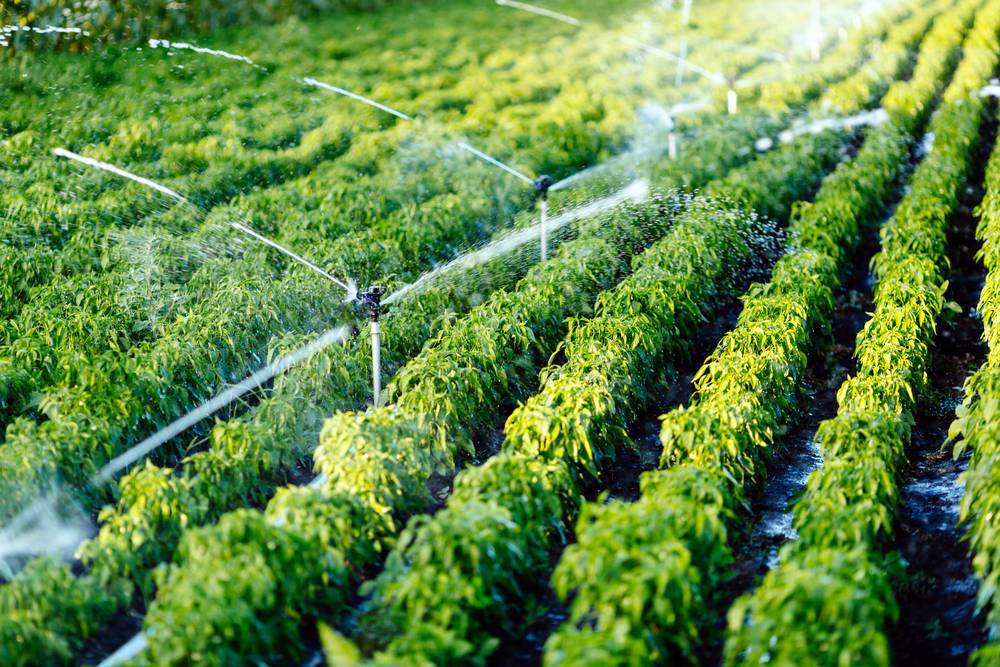
2. Micro Irrigation Systems
Technologies like drip and sprinkler irrigation ensure efficient water use.
Benefits:
- Saves up to 50–70% water
- Provides uniform moisture to crops
- Increases yield and quality
- Reduces weed growth
This is a game-changer in water-scarce regions.
3. Integrated Pest Management (IPM)
Instead of relying only on chemicals, IPM uses a combination of:
- Biological control agents
- Cultural practices
- Mechanical methods
- Limited chemical use
This approach reduces environmental damage and improves crop safety.
4. Precision Farming
Precision agriculture uses data and technology to optimize farming practices.
- Soil testing for accurate nutrient application
- Use of sensors and GPS
- Drone-based crop monitoring
This leads to better decision-making and cost reduction.
5. Protected Cultivation
Practices like greenhouse and shade net farming help in:
- Controlling environmental conditions
- Growing high-value crops
- Increasing productivity per unit area
This is especially useful for vegetables and flowers.

For shadenet construction please Call or WhatsApp to 9381029215
Role of Water Management
Water is one of the most critical resources in agriculture. Efficient water management includes:
- Farm pond construction
- Rainwater harvesting
- Drip irrigation systems
These methods ensure water availability even during dry periods and improve crop survival rates.
Soil Health Management
Healthy soil is the foundation of successful farming. Farmers should focus on:
- Organic matter addition (compost, manure)
- Crop rotation
- Use of biofertilizers
- Balanced fertilizer application
Maintaining soil health improves long-term productivity and sustainability.
Benefits of Adopting Modern Agricultural Practices
Farmers who adopt innovative solutions experience:
- Higher yields
- Reduced input costs
- Better crop quality
- Increased profits
- Environmental sustainability
These benefits make modern agriculture more resilient and profitable.
Conclusion
The future of agriculture lies in sustainability and innovation. Farmers must adopt modern techniques and eco-friendly inputs to overcome current challenges and ensure long-term success.
By integrating technology, improving soil health, and managing resources efficiently, agriculture can become more productive, profitable, and environmentally friendly.
