
Rabi Chilli Crop Management: Complete Guide for Higher Yield and Quality

Link

Chilli (Capsicum annuum L.) is one of the most important commercial spice crops in India. It is grown extensively during the Rabi season in states like Andhra Pradesh, Telangana, Karnataka, Maharashtra, Tamil Nadu, and Madhya Pradesh. Proper crop management during the Rabi season is crucial to achieve high yield, good quality fruits, and better market returns.

1. Climate and Soil Requirements
Climate
- Chilli grows best in warm and dry climate
- Ideal temperature: 20°C to 30°C
- Excess cold, frost, or fog during Rabi can affect flowering and fruit set
- Bright sunshine is essential for better growth and pungency
Soil
- Well-drained sandy loam to clay loam soils are ideal
- Soil pH should be 6.0 to 7.5
- Avoid waterlogged and saline soils, as they cause root diseases and poor growth
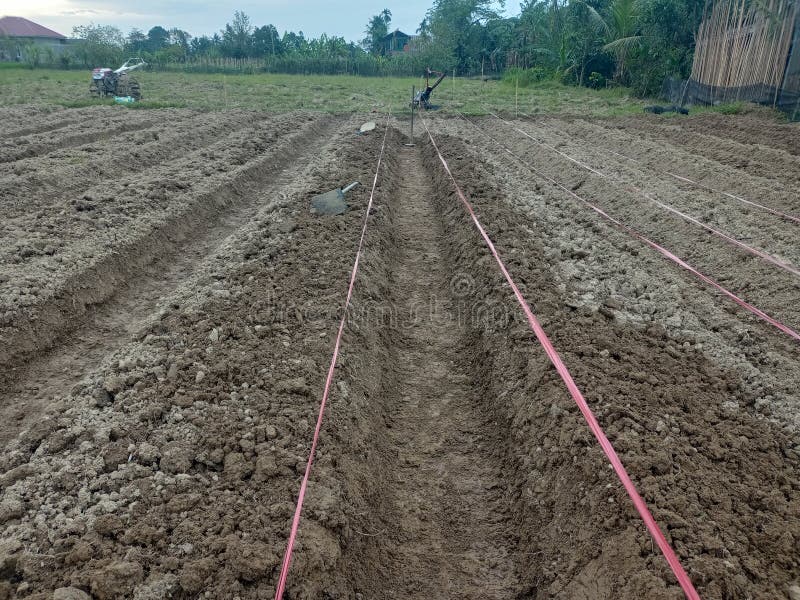
2. Land Preparation
- Plough the field 2–3 times to make soil fine and friable
- Remove crop residues and weeds
- Apply well-decomposed FYM or compost @ 8–10 tons per acre
- Prepare raised beds or ridges and furrows for better drainage
3. Seed Selection and Nursery Management
Seed Rate
- Hybrid varieties: 80–100 g per acre
- Open-pollinated varieties: 250–300 g per acre
Nursery Raising
- Raise seedlings in raised nursery beds (1 m width, convenient length)
- Treat seeds with Trichoderma or biofungicide to prevent damping-off
- Sow seeds thinly and cover with fine soil
- Light irrigation should be given regularly
- Seedlings will be ready for transplanting in 30–35 days
4. Transplanting
- Transplant healthy seedlings with 4–6 true leaves
- Ideal spacing: 45 × 45 cm (hybrids), 60 × 45 cm (bold varieties)
- Transplant during evening hours to reduce transplant shock
- Irrigate immediately after transplanting
5. Nutrient Management
Balanced nutrition is essential for higher yield.
Basal Application (per acre)
- FYM/Compost: 8–10 tons
- Nitrogen (N): 40–50 kg
- Phosphorus (P): 25–30 kg
- Potassium (K): 25–30 kg
Top Dressing
Apply remaining nitrogen in 2–3 split doses
- 25–30 days after transplanting
- At flowering stage
- During fruit development
Micronutrients
- Spray zinc, boron, and magnesium if deficiency symptoms appear
- Use biofertilizers like VAM (Mycorrhiza) to improve nutrient uptake and root growth
6. Irrigation Management
- First irrigation immediately after transplanting
- Subsequent irrigation at 7–10 days interval
- Critical stages: Flower initiation, Fruit formation
- Avoid over-irrigation to prevent root rot and wilt
- Drip irrigation is highly recommended for water saving and better yield
7. Weed Management
First weeding: 20–25 days after transplanting
Second weeding: 40–45 days after transplanting
Mulching (plastic or organic) helps in:
- Weed control
- Moisture conservation
- Temperature regulation
8. Pest Management in Rabi Chilli
Major Pests
- Thrips
- Aphids
- Whiteflies
- Mites
- Fruit borers
Symptoms
- Leaf curling, crinkling
- Silvery patches on leaves
- Flower drop and poor fruit set

Buy Dr. Eliminator Now: https://www.khethari.com/products/dr-eliminator-insecticide?_pos=1&_sid=85bb0d67b&_ss=r
Management
- Monitor crop regularly
- Use yellow and blue sticky traps
- Spray recommended insecticides at economic threshold levels
- Rotate chemicals to avoid resistance
- Encourage natural predators
9. Disease Management
Major Diseases
- Damping-off
- Fusarium wilt
- Leaf spot
- Powdery mildew
- Viral diseases (leaf curl, mosaic)
Management
- Use disease-free seedlings
- Follow crop rotation
- Avoid water stagnation
- Apply bioagents like Trichoderma
- Spray fungicides as per recommendation
10. Flowering and Fruit Set Management
- Avoid moisture stress during flowering
- Foliar spray of potassium and micronutrients improves flower retention
- Remove excess vegetative growth if required
11. Harvesting
- Green chilli harvesting starts 60–75 days after transplanting
- Pick fruits at 7–10 days interval
- For dry chilli, harvest fully ripe red fruits
- Proper and timely harvesting increases total yield
12. Yield
- Green chilli yield: 8–12 tons per acre (hybrids)
- Dry chilli yield: 20–25 quintals per acre
- Yield depends on variety, management practices, and climatic conditions
Conclusion
Rabi chilli cultivation can be highly profitable if scientific crop management practices are followed. Proper land preparation, balanced nutrition, timely irrigation, and effective pest and disease management play a key role in achieving higher yield and better quality chillies. Adopting modern practices like drip irrigation, biofertilizers, and integrated pest management can further enhance productivity and sustainability.