
Major Pests and Diseases of Soybean and Their Management

Link

Introduction
Soybean (Glycine max L.) is one of the most important oilseed and protein crops cultivated across the world. It plays a crucial role in food security, livestock feed, and industrial production. However, soybean productivity is often affected by various insect pests and diseases that attack the crop at different growth stages.
Effective Soybean Pests and Diseases Management is essential to protect yield, maintain crop quality, and ensure profitable farming.
Proper pest and disease management practices help farmers reduce crop losses, improve productivity, and maintain sustainable agricultural systems.
Importance of Soybean Cultivation
Global Importance
Soybean is widely cultivated in countries such as the United States, Brazil, Argentina, China, and India. It is one of the largest sources of vegetable oil and plant-based protein globally. Soybean contributes significantly to the agricultural economy and supports industries such as food processing, livestock feed production, and biodiesel manufacturing.
Importance of Soybean in India
In India, soybean is mainly cultivated in states like:
- Madhya Pradesh
- Maharashtra
- Rajasthan
- Karnataka
- Telangana
- Andhra Pradesh
India is one of the largest producers of soybean in Asia. The crop plays an important role in improving farmer income and meeting the growing demand for edible oil and protein-rich food products.
Nutritional and Economic Importance of Soybean
Soybean is often called the “Golden Bean” because of its high nutritional value.
Nutritional Value
Soybean seeds contain:
- Protein: 38–42%
- Oil: 18–20%
- Carbohydrates: 30%
- Rich in vitamins and minerals
Soybean products include:
- Soy oil
- Soy milk
- Tofu
- Soy flour
- Animal feed
Economic Importance
- Major source of edible oil
- Key ingredient in poultry and cattle feed
- Used in food industries
- Export commodity for many countries
Need for Pest and Disease Management in Soybean
Soybean crops are vulnerable to several insect pests and diseases that can cause serious yield losses.
Major Problems Caused by Pests and Diseases
- Reduction in plant growth
- Leaf damage and defoliation
- Flower and pod drop
- Poor seed formation
- Yield reduction up to 30–70%
Therefore, adopting integrated Soybean Pests and Diseases Management practices is essential for sustainable crop production.
Major Insect Pests of Soybean
1. Stem Fly
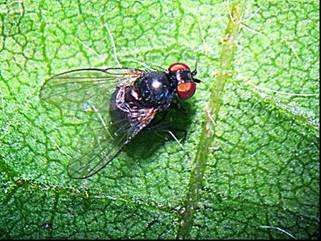
Scientific Name: Melanagromyza sojae
Identification
- Small black-colored flies
- Larvae are pale yellow maggots
Damage Symptoms
- Maggots bore into the stem
- Tunneling inside stem tissues
- Wilting and drying of plants
- Reduced plant vigor
Favorable Conditions
- Warm and humid weather
- Early crop stages
Management
Cultural Control
- Early sowing
- Use of resistant varieties
- Crop rotation
Biological Control
- Conservation of natural predators and parasitoids
Chemical Control
- Seed treatment with insecticides such as Imidacloprid
2. Girdle Beetle

Scientific Name: Oberea brevis
Identification
- Long slender beetle with long antennae
- Larvae are creamy white
Damage Symptoms
- Beetles girdle the stem
- Stem breaks and dries
- Lodging of plants
Favorable Conditions
- Warm climatic conditions
Management
- Remove and destroy affected plants
- Timely sowing
- Spray suitable insecticides if infestation is severe
3. Tobacco Caterpillar
Scientific Name: Spodoptera litura
Identification
- Dark green caterpillars with stripes
- Adult moth lays eggs in clusters
Damage Symptoms
- Heavy leaf feeding
- Skeletonization of leaves
- Severe defoliation
Favorable Conditions
- High humidity and warm temperature
Management
Cultural Practices
- Deep summer ploughing
- Destruction of egg masses
Biological Control
- Release of Trichogramma parasitoids
- Use of NPV (Nuclear Polyhedrosis Virus)
Chemical Control
- Spray recommended insecticides when infestation crosses economic threshold
4. Green Semilooper
Scientific Name: Chrysodeixis acuta
Identification
- Green caterpillar with looping movement
Damage Symptoms
- Feeding on leaves
- Irregular holes in foliage
- Severe defoliation
Management
- Hand picking of larvae
- Encourage natural enemies
- Use recommended insecticides when necessary
5. Whitefly

Scientific Name: Bemisia tabaci
Identification
- Tiny white insects found on leaf underside
Damage Symptoms
- Sap sucking
- Yellowing of leaves
- Transmission of viral diseases
Favorable Conditions
- Dry and warm climate
Management
- Use yellow sticky traps
- Maintain proper spacing
- Spray recommended insecticides if population increases

Buy Dr. Eliminator: https://www.khethari.com/products/dr-eliminator-insecticide?_pos=1&_sid=ed1ea73fb&_ss=r
6. Aphids

Scientific Name: Aphis glycines
Identification
- Small soft-bodied green insects
Damage Symptoms
- Sap sucking from leaves and stems
- Curling and yellowing of leaves
- Honeydew secretion leading to sooty mold
Management
- Encourage natural predators like ladybird beetles
- Use neem-based pesticides
- Apply insecticides when necessary
7. Hairy Caterpillar
Scientific Name: Spilarctia obliqua
Identification
- Hairy caterpillars with brown body
Damage Symptoms
- Feed on leaves in groups
- Severe defoliation in early stages
Management
- Collect and destroy larvae
- Use light traps
- Spray recommended insecticides

Buy Larvex: https://www.khethari.com/products/larvex-insecticide?_pos=1&_sid=31234612a&_ss=r
Major Diseases of Soybean
1. Soybean Rust

Causal Organism: Phakopsora pachyrhizi (Fungus)
Symptoms
- Small brown pustules on leaves
- Yellowing and premature leaf drop
Favorable Conditions
- High humidity
- Moderate temperature
Management
- Grow resistant varieties
- Apply fungicides at early stages
2. Anthracnose
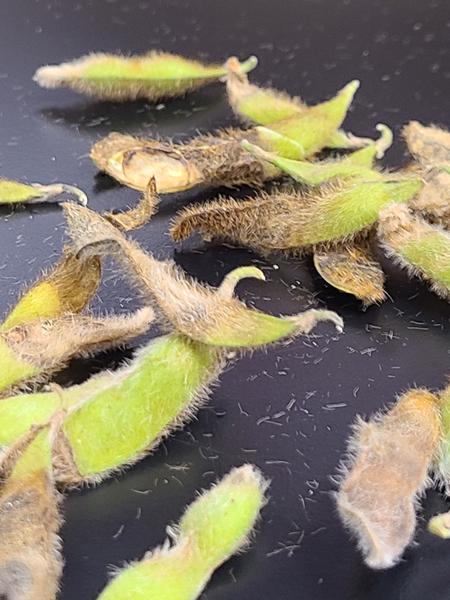
Causal Organism: Colletotrichum truncatum
Symptoms
- Dark lesions on stems and pods
- Seed discoloration
Favorable Conditions
- Warm and humid conditions
Management
- Use disease-free seeds
- Crop rotation
- Fungicide spray
3. Bacterial Pustule
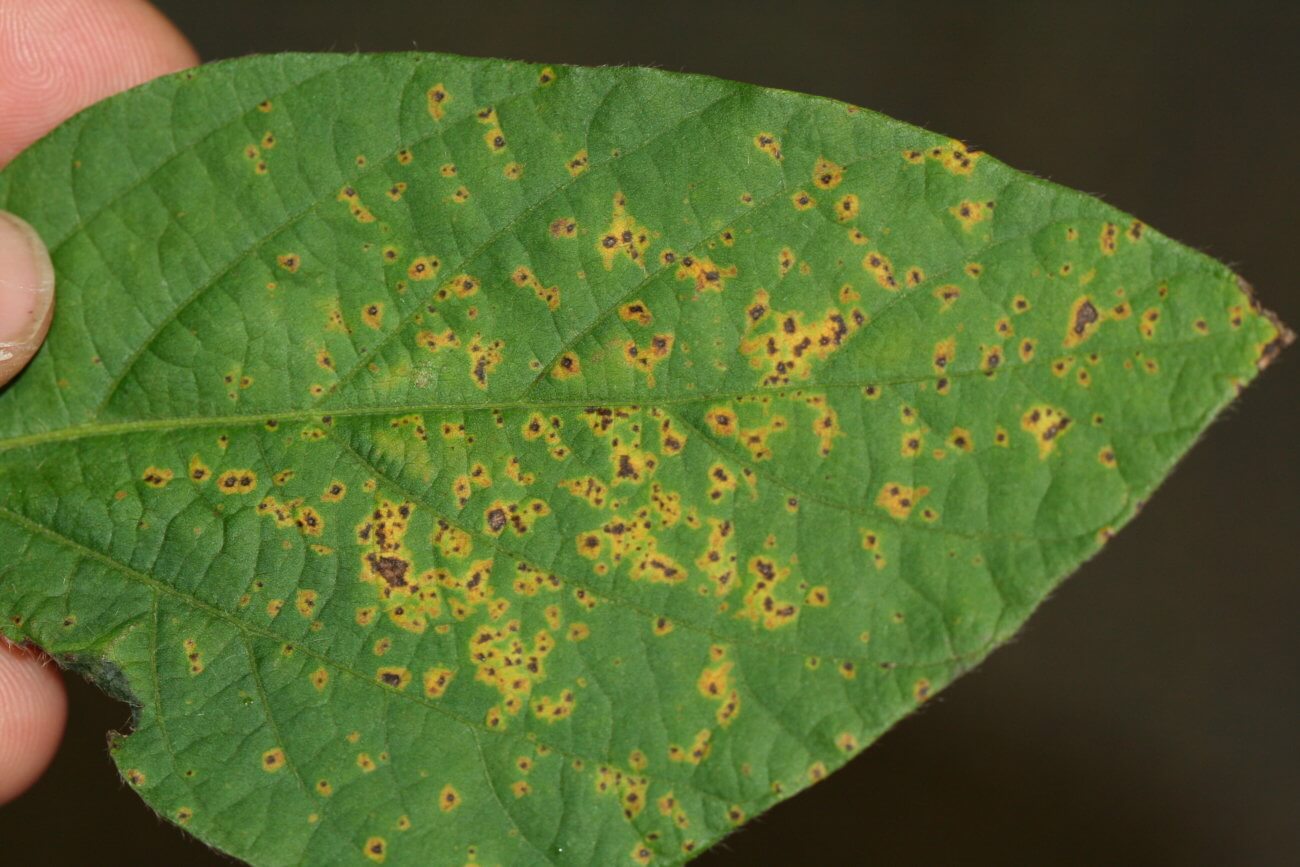
Causal Organism: Xanthomonas axonopodis pv. glycines
Symptoms
- Small raised pustules on leaves
- Yellow halos around lesions
Favorable Conditions
- Warm and wet weather
Management
- Use resistant varieties
- Avoid overhead irrigation
- Seed treatment
4. Frog Eye Leaf Spot
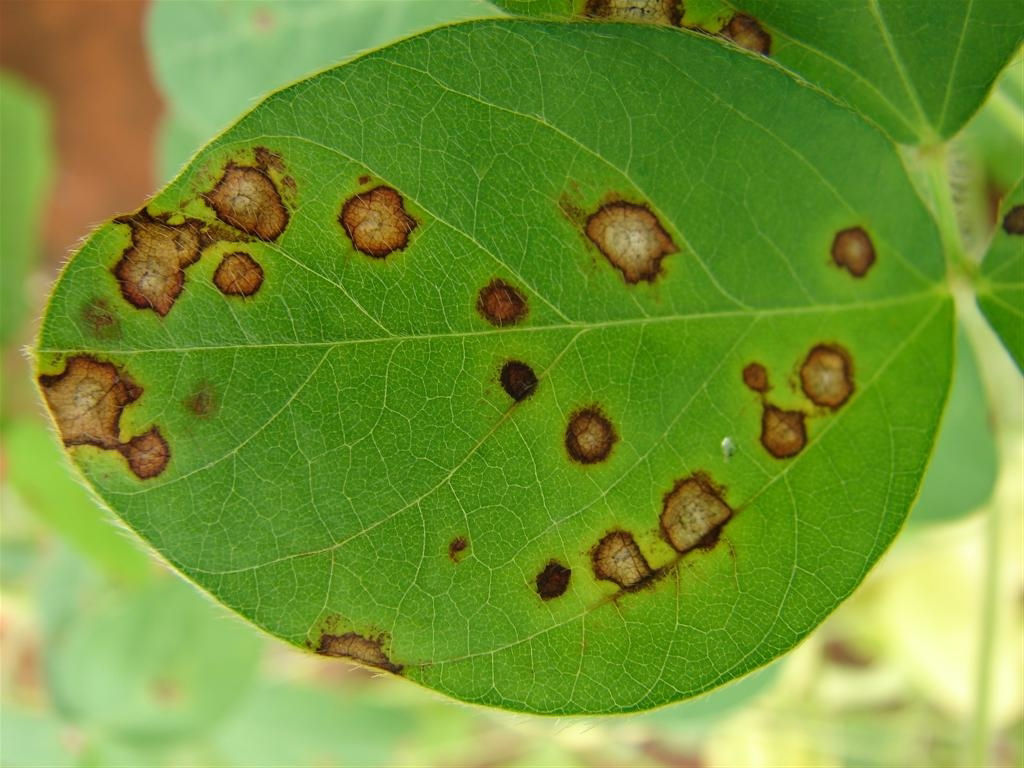
Causal Organism: Cercospora sojina
Symptoms
- Circular spots with gray center
- Purple margins on leaves
Favorable Conditions
- Warm and humid weather
Management
- Crop rotation
- Resistant varieties
- Fungicide application
5. Charcoal Rot
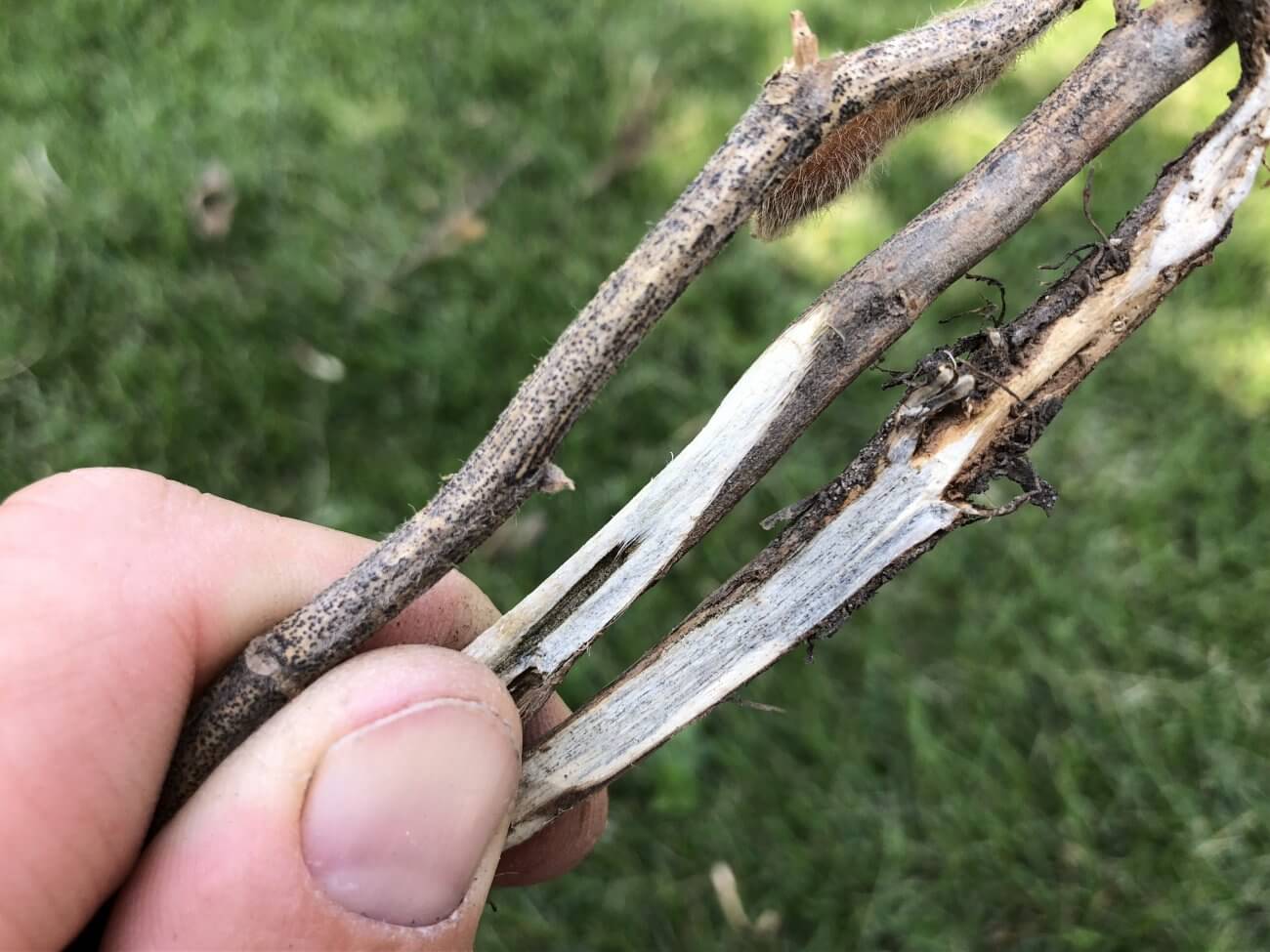
Causal Organism: Macrophomina phaseolina
Symptoms
- Root rot and stem discoloration
- Plant wilting during hot weather
Favorable Conditions
- High temperature and dry conditions
Management
- Maintain soil moisture
- Crop rotation
- Seed treatment with fungicides
6. Rhizoctonia Root Rot
Causal Organism: Rhizoctonia solani
Symptoms
- Seedling damping-off
- Root rot and plant death
Favorable Conditions
- Poorly drained soils
Management
- Good drainage
- Seed treatment with fungicides
- Crop rotation
7. Soybean Mosaic Virus
Causal Organism: Soybean Mosaic Virus (SMV)
Symptoms
- Mosaic patterns on leaves
- Stunted plant growth
- Reduced yield
Favorable Conditions
- Spread by aphids
Management
- Use virus-free seeds
- Control aphids
- Remove infected plants
Integrated Pest and Disease Management Practices
Seed Treatment
Seed treatment helps protect seedlings from soil-borne pathogens and insect pests.
Common treatments include:
- Fungicides
- Insecticides
- Bioagents such as Trichoderma
Crop Rotation
Avoid continuous soybean cultivation in the same field. Rotate with crops such as:
- Maize
- Sorghum
- Wheat
This reduces pest and disease buildup.
Resistant Varieties
Using resistant soybean varieties can significantly reduce pest and disease incidence.
Field Sanitation
- Remove crop residues
- Destroy infected plant parts
- Maintain clean fields
Balanced Fertilization
Balanced use of fertilizers improves plant health and resistance against pests and diseases.
Biological Control
Use beneficial organisms such as:
- Trichoderma
- Pseudomonas fluorescens
- Natural predators and parasitoids
These eco-friendly solutions help control pests and pathogens naturally.
Preventive Measures for Farmers
Field Monitoring
Regularly inspect fields for early signs of pest and disease infestation.
Early Detection
Identify pests and diseases in the initial stages to prevent severe damage.
Good Agronomic Practices
- Proper sowing time
- Adequate spacing
- Proper irrigation management
- Weed control
These practices help maintain healthy crops and reduce pest incidence.
Conclusion
Soybean is a highly valuable crop that plays a significant role in global agriculture and food security. However, various insect pests and diseases pose serious threats to soybean production. Effective Soybean Pests and Diseases Management through integrated approaches such as cultural practices, biological control, and chemical methods is essential for protecting crop yield and quality.
By adopting timely pest monitoring, proper agronomic practices, and integrated pest management strategies, farmers can significantly reduce crop losses and achieve higher soybean productivity.