
Complete Guide to Major Pests and Diseases of Carrot and Their Management

Link
1. Introduction
Importance of Carrot as a Vegetable Crop
Carrot (Daucus carota L.) is one of the most important root vegetables grown across the world. In India, carrots are cultivated extensively in states like Haryana, Punjab, Uttar Pradesh, Karnataka, Andhra Pradesh, and Tamil Nadu. Carrot is grown both as a temperate and tropical vegetable, depending on the variety.
Carrot is consumed fresh, cooked, and processed into juices, salads, soups, pickles, and baby foods. Due to its short duration, high demand, and good market price, carrot cultivation offers good income opportunities for farmers and agri-entrepreneurs.

Economic and Nutritional Importance
Carrot is highly valued for its nutritional richness:
- Rich source of beta-carotene (Vitamin A)
- Contains vitamins B, C, E, and K
- Good source of dietary fiber, calcium, potassium, and antioxidants
- Improves eye health, immunity, and digestion
Economically, carrot is:
- A high-value crop
- Suitable for commercial farming
- Widely used in processing industries
- Export-oriented vegetable
Why Pest and Disease Management Is Crucial in Carrot Cultivation
Carrot is a root crop, and any damage to foliage or roots directly affects yield and market quality. Pests and diseases can cause:
- Stunted plant growth
- Deformed or rotten roots
- Poor color and size
- Heavy yield losses (20–70%)
- Rejection in fresh and export markets
Therefore, effective pest and disease management is essential for profitable carrot cultivation.
2. Major Insect Pests of Carrot
1. Aphids
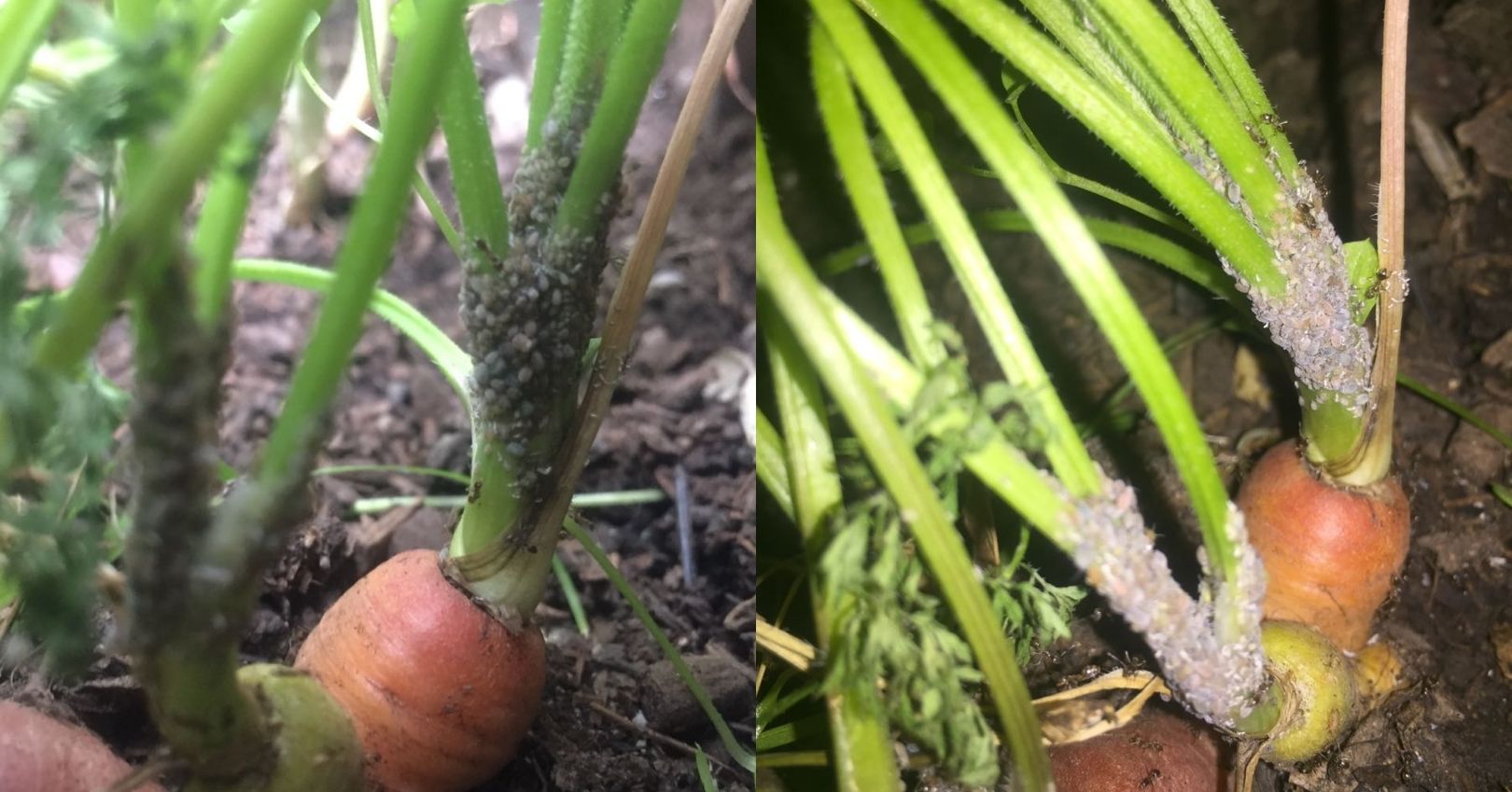
Scientific name: Myzus persicae, Aphis gossypii
Identification and Symptoms
- Small, soft-bodied green or black insects
- Found on tender leaves and stems
- Leaves curl, yellow, and become distorted
- Sticky honeydew secretion leads to sooty mold
- Act as vectors of viral diseases
Favorable Conditions
- Cool and dry weather
- Excess nitrogen fertilization
- Dense crop canopy
Economic Damage
- Reduced photosynthesis
- Weak plant growth
- Transmission of mosaic virus
- Yield reduction up to 30%
Integrated Pest Management (IPM)
Cultural control
- Avoid excess nitrogen
- Remove weed hosts
- Maintain proper spacing
Mechanical control
- Spray water to dislodge aphids
- Remove heavily infested plants
Biological control
- Encourage ladybird beetles (Coccinella)
- Use neem oil (3–5 ml/L)
Chemical control (if severe)
- Imidacloprid 0.3 ml/L
- Thiamethoxam 0.25 g/L
(Use only when economic threshold level is crossed)
2. Carrot Rust Fly
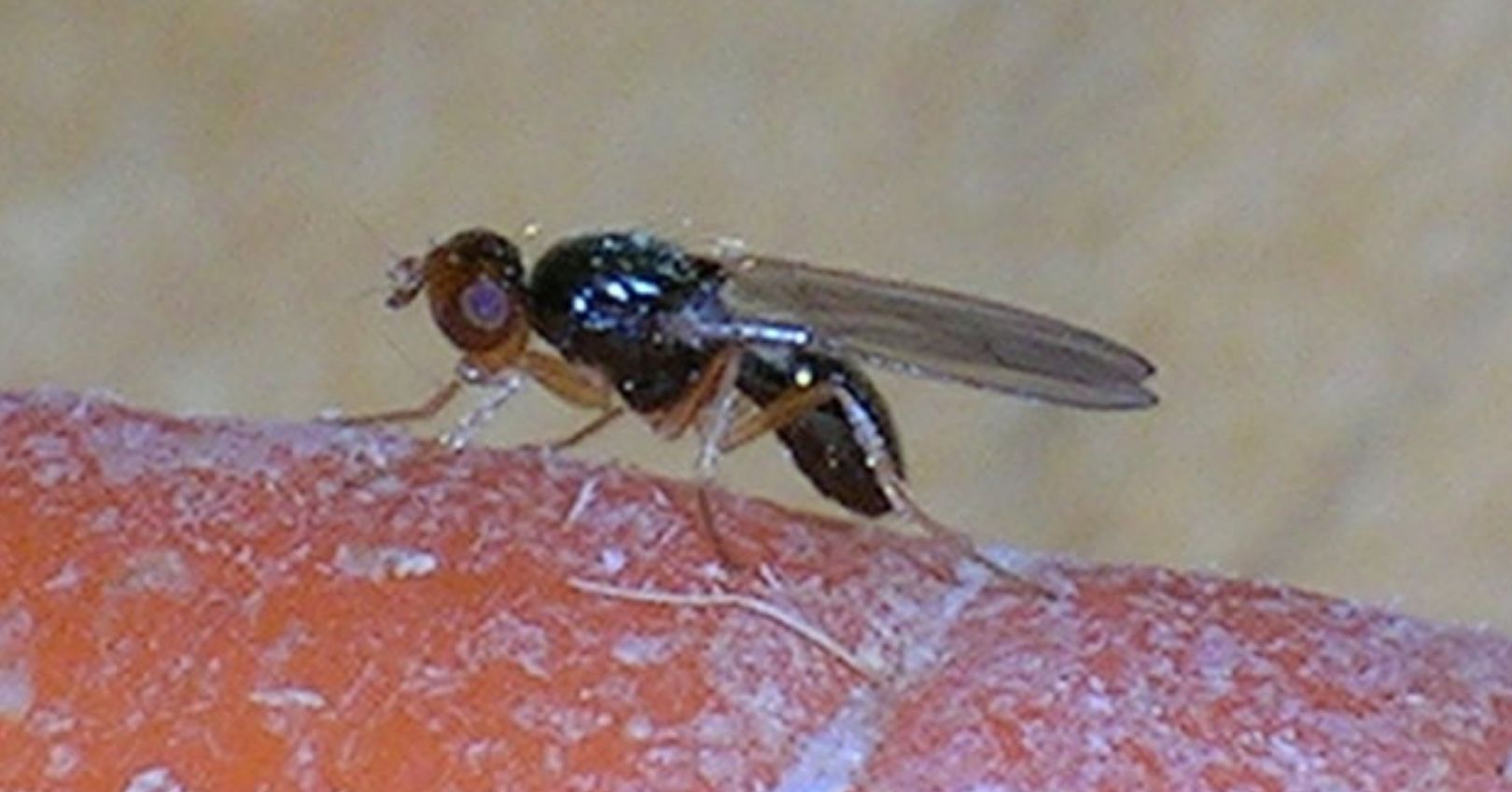
Scientific name: Psila rosae
Identification and Symptoms
- Maggots bore into carrot roots
- Rust-colored tunnels on roots
- Roots become bitter and unmarketable
- Wilting of plants in severe cases
Favorable Conditions
- Cool, moist soil
- Continuous carrot cultivation
Economic Damage
- Direct damage to roots
- Market rejection
- Yield loss up to 50%
IPM Practices
Cultural control
- Crop rotation
- Avoid late sowing
- Deep ploughing
Mechanical control
- Use yellow sticky traps
Biological control
- Use entomopathogenic nematodes
Chemical control
- Soil application of chlorpyrifos (as per recommendation)
- Seed treatment with suitable insecticides
3. Cutworms

Scientific name: Agrotis spp.
Symptoms
- Seedlings cut at ground level
- Plants wilt and die suddenly
- Damage mainly at night
Favorable Conditions
- Moist soil
- Presence of weeds
- Cloudy weather
Economic Damage
- Heavy seedling mortality
- Poor plant stand
IPM Practices
Cultural
- Deep summer ploughing
- Remove weeds
Mechanical
- Handpicking larvae at night
- Light traps
Biological
- Use Bacillus thuringiensis
Chemical
- Soil drenching with recommended insecticides
4. Root-Knot Nematodes
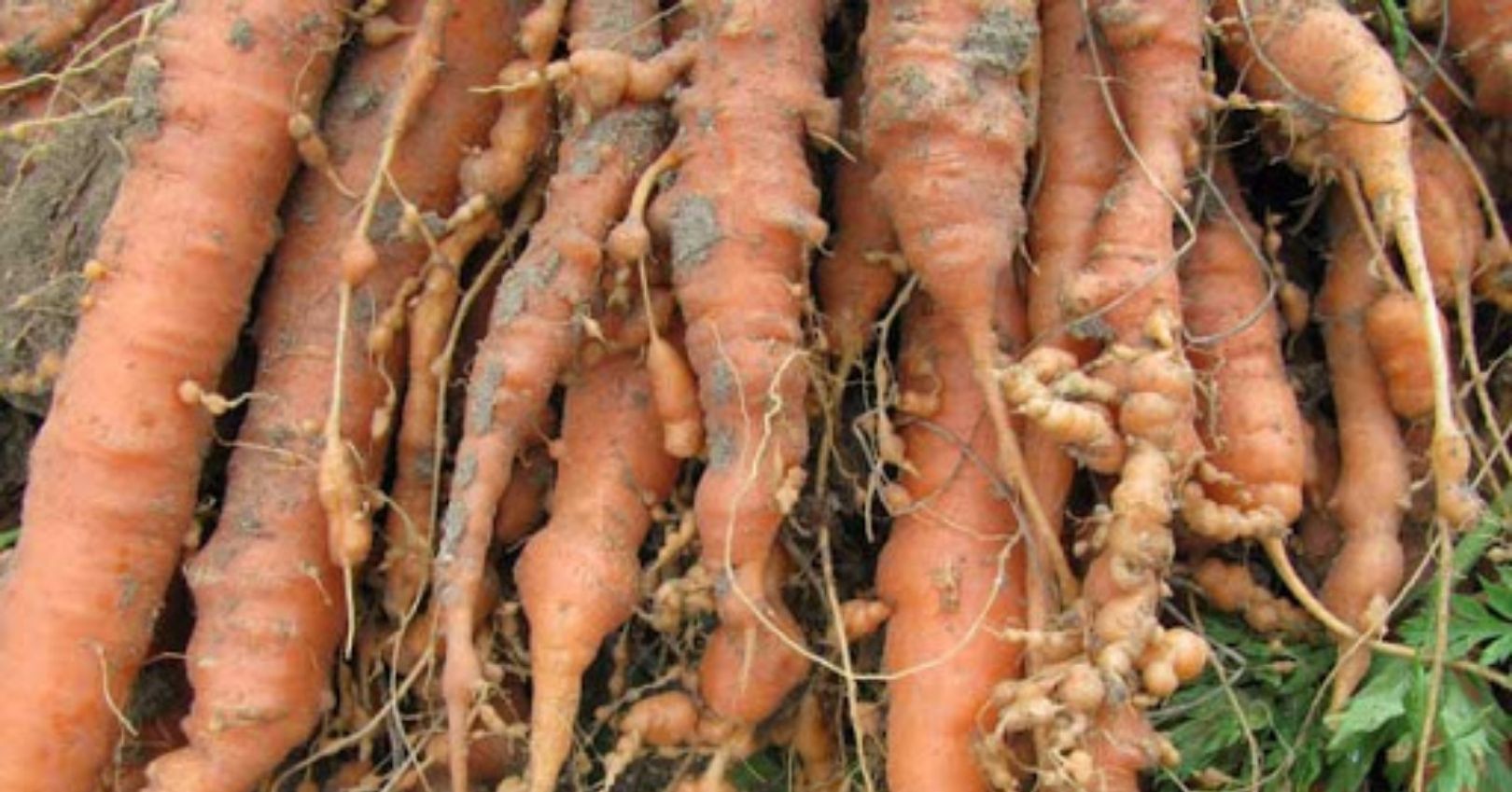
Scientific name: Meloidogyne spp.
Symptoms
- Galls on roots
- Forked and deformed carrots
- Stunted growth
- Yellowing of leaves
Favorable Conditions
- Sandy soils
- Warm temperature
- Continuous vegetable cropping
Economic Damage
- Poor root quality
- Yield loss up to 60%
IPM Practices
Cultural
- Crop rotation with cereals
- Solarization
Biological
- Trichoderma, Paecilomyces
- Neem cake application
Chemical
- Use nematicides only as last option
5. Thrips
Scientific name: Thrips tabaci
Symptoms
- Silvery streaks on leaves
- Leaf curling and drying
- Reduced photosynthesis
Management
- Blue sticky traps
- Neem oil spray
- Spinosad or emamectin benzoate if severe
3. Major Diseases of Carrot
A. Fungal Diseases
1. Alternaria Leaf Blight
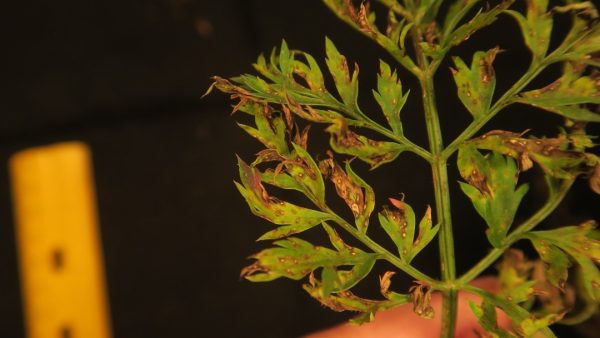
Causal organism: Alternaria dauci
Symptoms
- Small dark brown spots on leaves
- Yellow halo around spots
- Leaf drying from margins
- Severe defoliation
Favorable Conditions
- High humidity
- Moderate temperature
Losses
- Reduced root size
- Poor quality
- Yield loss up to 40%
Management
- Disease-free seed
- Crop rotation
- Spray mancozeb or chlorothalonil
- Use Trichoderma
2. Cercospora Leaf Spot
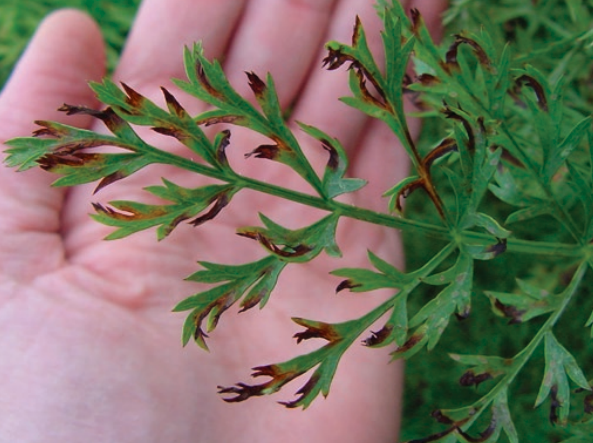
Causal organism: Cercospora carotae
Symptoms
- Circular gray spots with dark margins
- Leaf yellowing and drying
Management
- Proper spacing
- Avoid overhead irrigation
- Fungicide spray (carbendazim + mancozeb)
3. Powdery Mildew
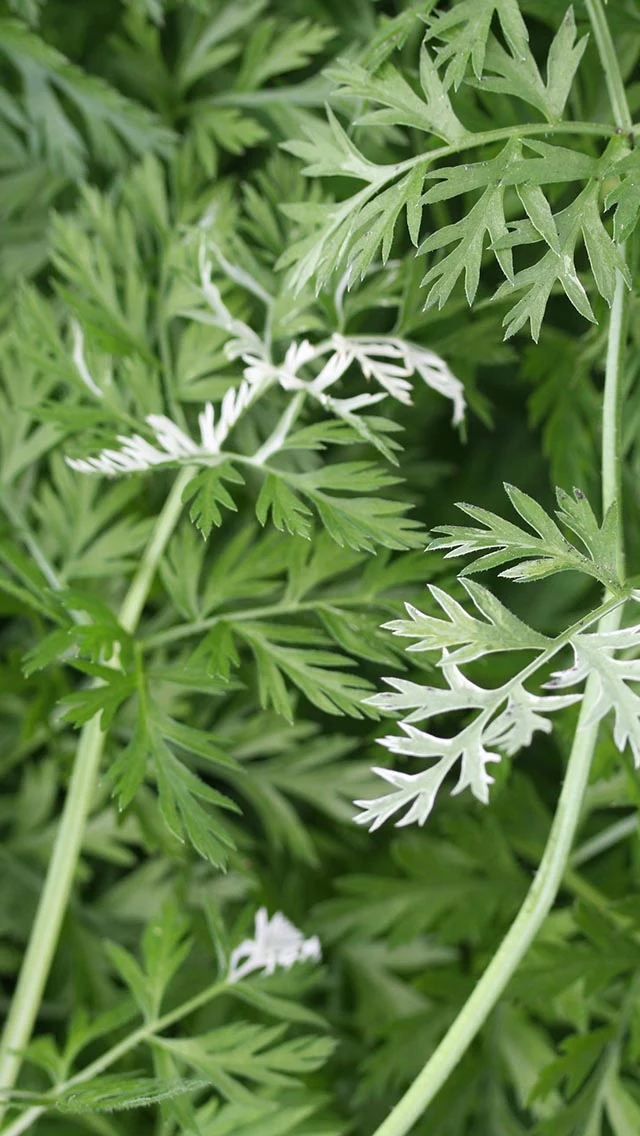
Causal organism: Erysiphe heraclei
Symptoms
- White powdery growth on leaves
- Reduced photosynthesis
Management
- Sulfur dusting
- Spray wettable sulfur
- Neem-based fungicides
B. Bacterial Diseases
Soft Rot
Causal organism: Erwinia carotovora
Symptoms
- Soft, watery rot of roots
- Foul smell
- Collapse of tissue
Spread
- Through wounds
- Poor drainage
Management
- Avoid waterlogging
- Proper storage
- Field sanitation
C. Viral Diseases
Mosaic Virus
Causal agent: Carrot mosaic virus
Symptoms
- Mosaic patterns on leaves
- Stunted growth
- Reduced root development
Spread
- Aphids
- Infected planting material
Management
- Control aphids
- Remove infected plants
- Use virus-free seed
4. Integrated Pest and Disease Management (IPDM) in Carrot
Importance of IPDM
- Reduces pesticide cost
- Protects environment
- Prevents resistance
- Improves crop quality
Key IPDM Practices
- Seed treatment with bio-agents
- Crop rotation (avoid continuous carrot)
- Field sanitation
- Use resistant varieties
- Balanced fertilization
- Timely monitoring
Role of Bio-Pesticides
- Neem oil
- Trichoderma
- Pseudomonas fluorescens
- Bacillus subtilis
5. Preventive Measures for Healthy Carrot Crop
Soil Preparation
- Deep, loose, well-drained soil
- Avoid compact soils
Spacing and Irrigation
- Proper plant spacing
- Avoid over-irrigation
Balanced Fertilization
- Avoid excess nitrogen
- Apply FYM and micronutrients
Monitoring and Early Detection
- Regular field scouting
- Yellow and blue sticky traps
6. Conclusion
Carrot cultivation can be highly profitable when pests and diseases are managed effectively. Major carrot pests like aphids, rust fly, cutworms, nematodes, and thrips, along with diseases such as Alternaria blight, Cercospora leaf spot, powdery mildew, soft rot, and mosaic virus, can cause severe yield and quality losses if neglected.
Adopting Integrated Pest and Disease Management (IPDM) practices—combining cultural, biological, mechanical, and need-based chemical methods—ensures sustainable carrot production. Timely monitoring, preventive measures, and eco-friendly approaches not only protect the crop but also improve farmer income and soil health.
Healthy crop protection today ensures higher profits tomorrow. 🌱🥕