
A Complete Guide to Sustainable, Profitable, and Resilient Agriculture

Link
Agriculture today is moving beyond traditional single-crop practices toward more diversified and sustainable systems. One of the most effective approaches is the Integration of Farming Systems (IFS)—a model that combines multiple agricultural enterprises into a unified, interdependent system.
At Khethari, we design and implement Integrated Farming Systems that help farmers maximize productivity, reduce risks, and ensure long-term profitability.

Introduction
Farmers face increasing challenges such as climate variability, rising input costs, water scarcity, and fluctuating market prices. Relying on a single crop or enterprise often leads to unstable income and higher risk. IFS provides a solution by creating a balanced farming ecosystem, where crops, livestock, fisheries, and other components work together to support each other.
What is Integration of Farming Systems?
Integration of Farming Systems (IFS) is a holistic approach to agriculture where different farm enterprises are scientifically combined and managed to achieve:
- Maximum resource utilization
- Continuous income generation
- Environmental sustainability
It focuses on recycling resources, reducing waste, and improving efficiency.
Objectives of Integrated Farming Systems
- Enhance farm productivity
- Increase farmer income
- Reduce input costs
- Promote sustainable agriculture
- Improve soil and water health
- Ensure food and nutritional security
Key Components of IFS
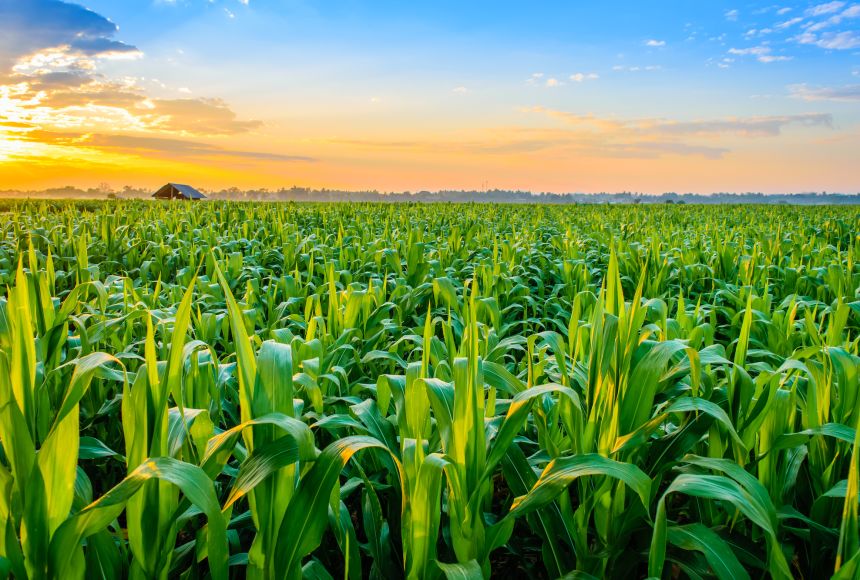
1. Crop Production
The backbone of the system, including:
- Cereals (rice, maize)
- Pulses and oilseeds
- Vegetables and fruits
2. Livestock Farming
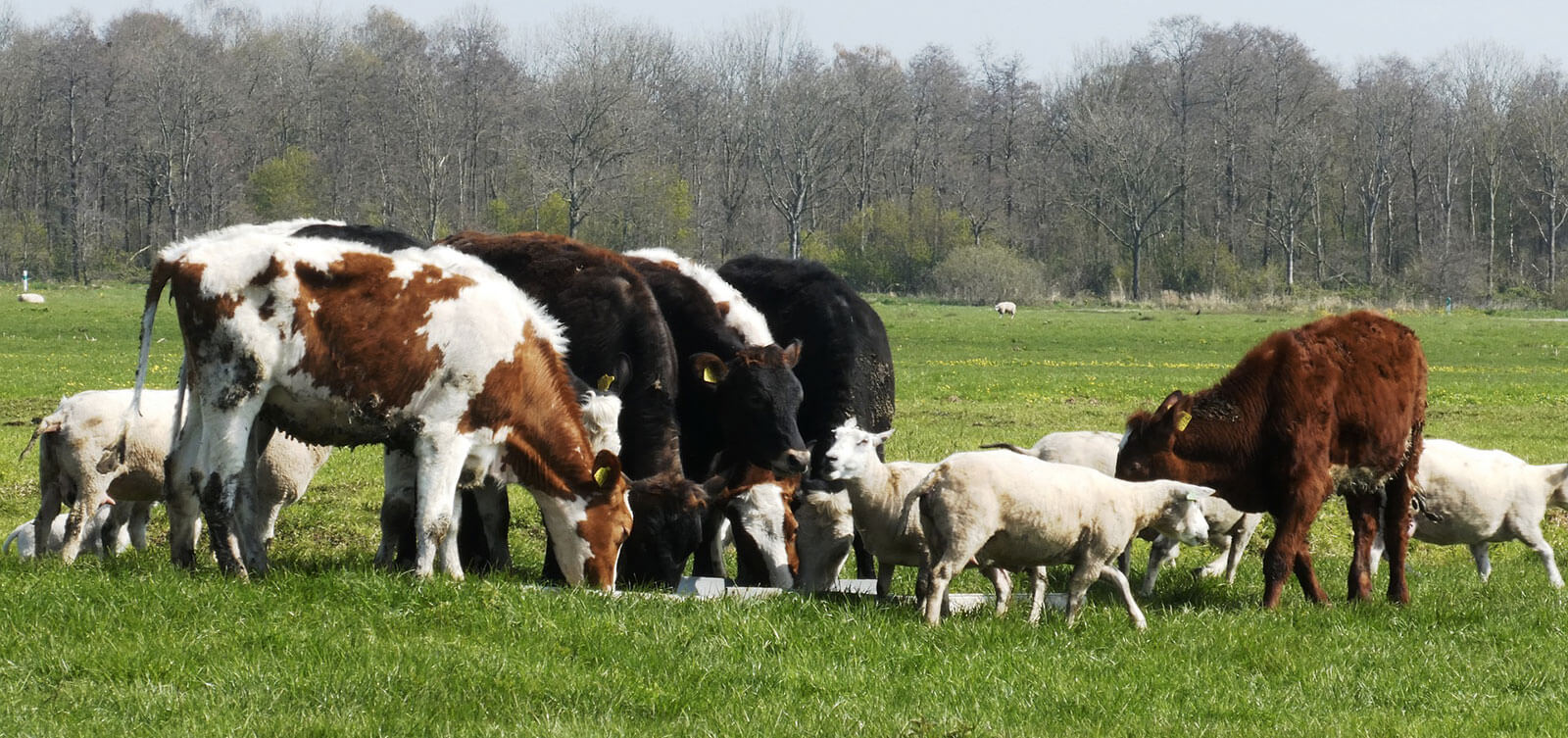
Includes:
- Dairy (cows, buffaloes)
- Goat and sheep farming
Role: Provides milk, meat, and organic manure.
3. Aquaculture (Fish Farming)
Farm ponds are utilized for:
- Fish production
- Water storage for irrigation
Benefit: Additional income and nutrient recycling.

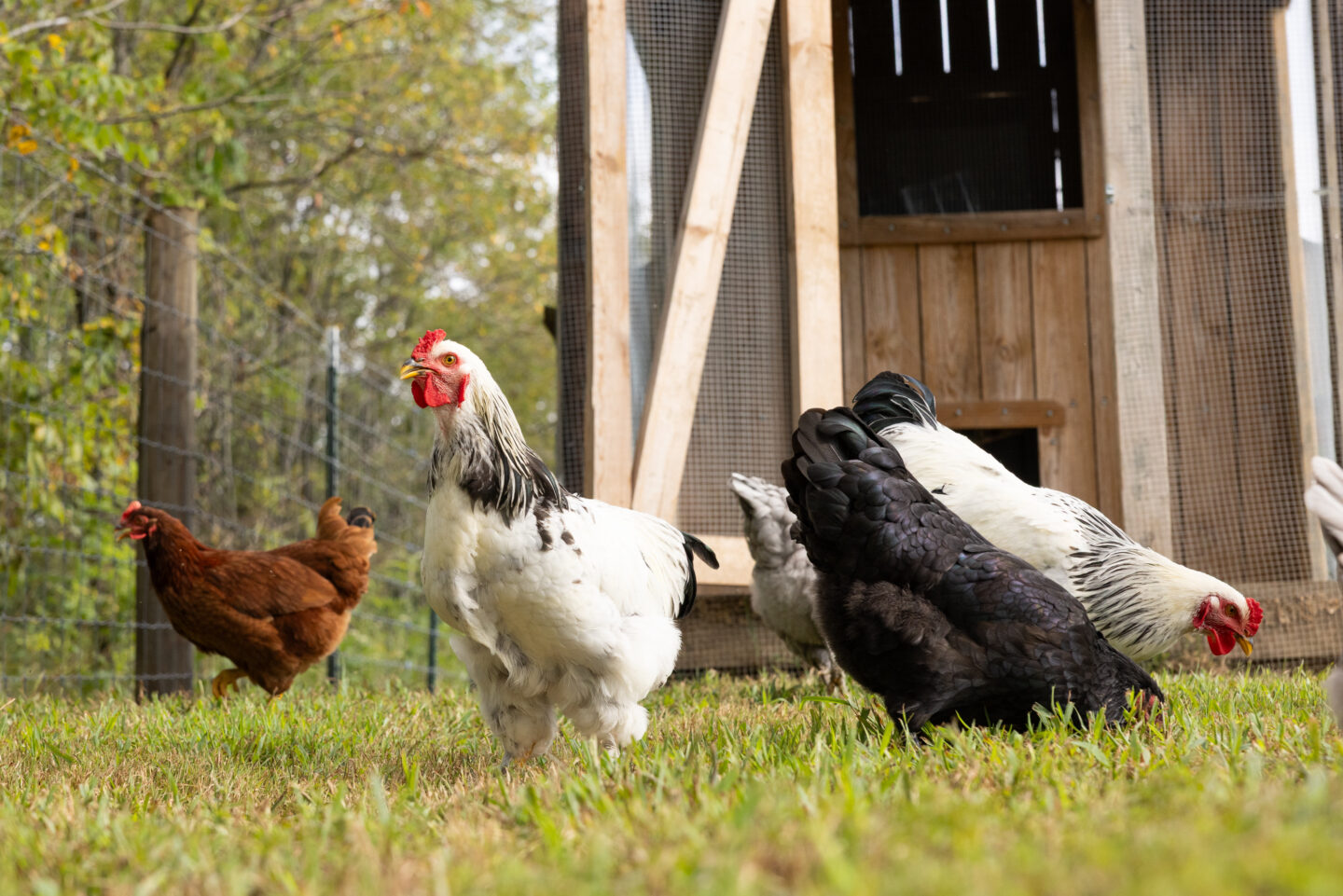
4. Poultry Farming
- Egg and meat production
- Quick returns and low investment
5. Agroforestry
- Integration of trees with crops
- Improves soil fertility and microclimate
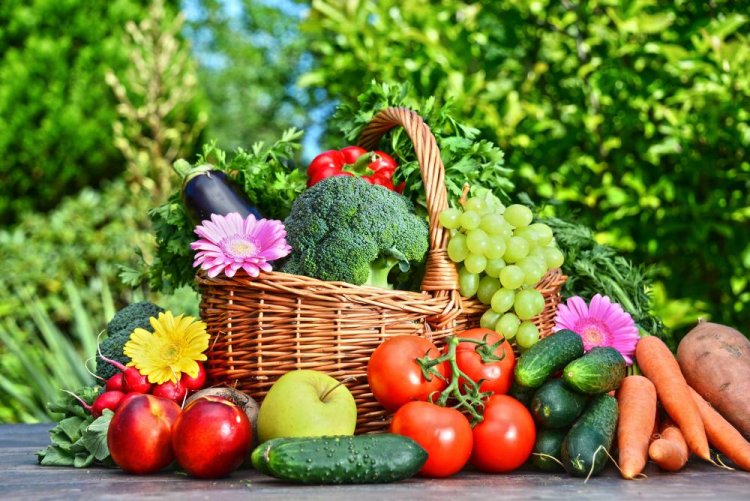
6. Horticulture
- Fruits, vegetables, flowers
- High-value crops for better profits
7. Vermicomposting & Organic Units
- Converts farm waste into organic fertilizer
- Reduces chemical input dependency
Planning an Integrated Farming System
1. Resource Assessment
- Land size
- Water availability
- Soil type
- Climate conditions
2. Selection of Components
Choose enterprises based on:
- Market demand
- Resource availability
- Farmer capacity
3. Farm Layout Design
A well-planned layout includes:
- Crop area
- Farm pond
- Livestock shed
- Poultry unit
- Composting area
- Tree plantation
Model Layout Example
A 5-acre integrated farm may include:
- 3 acres for crops
- 0.5 acre farm pond (fish farming)
- Dairy unit (2–4 animals)
- Poultry shed
- Boundary plantation (trees)
- Vermicompost unit
Water Management in IFS
- Rainwater harvesting through farm ponds
- Efficient irrigation (drip/sprinkler)
- Recycling wastewater
Ensures year-round water availability.
Nutrient Management
- Use organic manure from livestock
- Compost crop residues
- Practice green manuring
Improves soil fertility and reduces costs.
Benefits of Integrated Farming Systems
1. Increased Income
Multiple enterprises ensure continuous cash flow.
2. Risk Reduction
Diversification reduces dependence on a single source.
3. Efficient Resource Utilization
Optimizes use of land, water, and nutrients.
4. Improved Soil Health
Organic inputs enhance long-term fertility.
5. Employment Generation
Provides year-round work opportunities.
6. Environmental Sustainability
Promotes eco-friendly farming practices.
7. Climate Resilience
Helps farms withstand droughts and extreme weather.
Economic Advantages
- 2–3 times higher income compared to single cropping
- Reduced input costs through recycling
- Better return on investment
Challenges and Solutions
|
Challenge |
Solution |
|---|---|
|
Initial investment |
Government subsidies |
|
Lack of knowledge |
Training and expert guidance |
|
Management complexity |
Proper planning and monitoring |
Government Support Farmers can benefit from schemes like:
- Pradhan Mantri Krishi Sinchai Yojana
- National Fisheries Development Board
- Pradhan Mantri Matsya Sampada Yojana
These provide financial assistance, training, and infrastructure support.
Future Scope of IFS
Integrated Farming Systems are gaining importance due to:
- Rising demand for organic products
- Climate change challenges
- Need for sustainable agriculture
IFS is considered a future-ready farming model that ensures long-term success.
Conclusion
Integration of Farming Systems is not just a farming method it is a complete transformation of agriculture into a sustainable and profitable ecosystem. By combining crops, livestock, aquaculture, and other enterprises, farmers can achieve higher productivity, stable income, and environmental balance.
At Khethari, we are committed to helping farmers implement scientifically designed Integrated Farming Systems tailored to their land, resources, and goals.